When designing a pneumatic conveying system for precipitated barium sulfate, several critical factors must be considered to ensure efficiency, reliability, and cost-effectiveness. Precipitated barium sulfate (PBS) is a fine powder commonly used in industrial applications, and its handling requires specialized equipment and system design to prevent issues like blockages, dust explosions, or material degradation. This article outlines key design considerations for such systems, emphasizing the expertise of Shandong HeadPowder Engineering Co., Ltd., a leading provider in the field.
System Selection and Material Characteristics
The first step in designing a pneumatic conveying system for precipitated barium sulfate is to evaluate the material's physical properties. Precipitated barium sulfate typically has a particle size ranging from 1 to 100 microns, with a specific gravity around 4.5 g/cm³. These characteristics influence the choice of conveying method—whether it's a positive pressure, negative pressure, or a combination of both. Positive pressure systems, where air is blown into the material to move it, are often preferred for fine powders like PBS due to their ability to handle high concentrations and reduce the risk of dust dispersion. Negative pressure systems, on the other hand, are suitable for applications requiring minimal dust emission but may be less efficient for high-volume transport. The system selection must also consider the distance and elevation changes between the source and destination points, as these factors impact the required air pressure and flow rate.
Equipment Selection and Component Integration
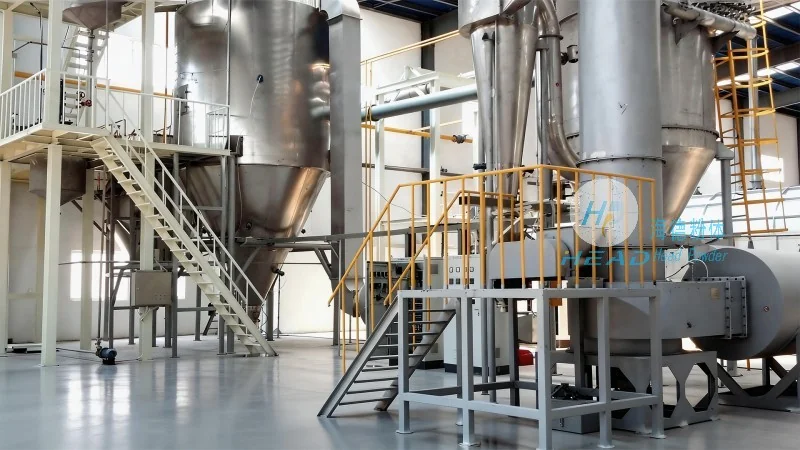
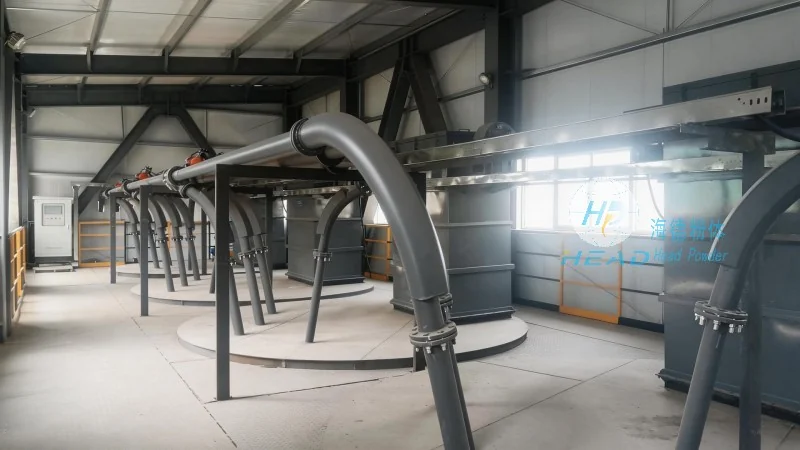
Key equipment components for a pneumatic conveying system include the feeder, air compressor, pipeline, and receiver. The feeder is crucial for consistent material feeding, as fluctuations can lead to system instability or blockages. For fine powders like PBS, a rotary valve or a loss-in-weight feeder is often recommended to maintain a steady flow rate. The air compressor must be capable of delivering the required pressure and volume, with options such as rotary screw or centrifugal compressors depending on the system's scale and energy efficiency needs. The pipeline design is another critical aspect, as the material's abrasiveness and tendency to build up on surfaces require materials like stainless steel or high-grade plastic to prevent wear and clogging. Additionally, the inclusion of components like filters, cyclones, and dust collectors is essential to maintain air quality and comply with environmental regulations. These components must be integrated seamlessly to ensure smooth material transport and minimize downtime.
Flow Rate and Pressure Optimization
Optimizing the flow rate and pressure is vital for the efficient operation of a pneumatic conveying system. The flow rate is determined by the material's bulk density, particle size distribution, and the system's design parameters. A higher flow rate may be necessary for larger quantities of PBS, but it must be balanced against the risk of increased energy consumption and potential system overload. The pressure level is directly related to the conveying distance and elevation changes; higher pressures are required for longer or steeper conveying routes. However, excessive pressure can lead to increased wear on equipment and higher operational costs. Shandong HeadPowder Engineering Co., Ltd. employs advanced simulation tools to model the system's performance, allowing for precise optimization of flow rates and pressures based on specific project requirements. This approach ensures that the system operates at peak efficiency while minimizing energy waste and maintenance needs.
Preventing Blockages and Material Degradation
Blockages are a common issue in pneumatic conveying systems, especially with fine powders like precipitated barium sulfate. These blockages can occur due to material bridging, agglomeration, or excessive moisture. To prevent this, the system design should include features such as pulse jets, vibration devices, or anti-caking agents to maintain material flowability. Additionally, the use of heated pipelines can help prevent moisture buildup, which is a major cause of agglomeration in PBS. Material degradation, such as particle size reduction or chemical changes, can also occur if the system is not properly designed. High-impact or abrasive conditions can cause wear on equipment, leading to increased maintenance costs and reduced system lifespan. Shandong HeadPowder Engineering Co., Ltd. recommends regular maintenance schedules and the use of wear-resistant materials to mitigate these issues, ensuring the system's long-term reliability.
Environmental and Safety Considerations
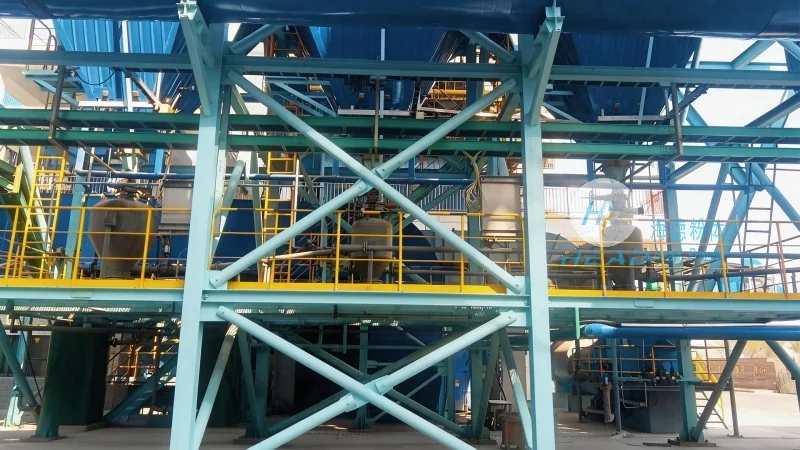
Environmental and safety regulations are critical factors in the design of pneumatic conveying systems for hazardous materials like precipitated barium sulfate. The system must be designed to minimize dust emissions and comply with local air quality standards. This includes the use of efficient dust collection systems, such as cyclones or baghouses, to capture and filter the air before it is released into the environment. Additionally, the system should be equipped with safety features like pressure relief valves, emergency shut-off valves, and explosion-proof components to prevent accidents. The design must also consider the potential for material dust to cause respiratory issues or other health hazards, requiring proper ventilation and personal protective equipment (PPE) for operators. Shandong HeadPowder Engineering Co., Ltd. adheres to all relevant safety and environmental regulations, ensuring that their systems are not only efficient but also safe and environmentally responsible.
Case Study: Successful Implementation by Shandong HeadPowder Engineering Co., Ltd.
Shandong HeadPowder Engineering Co., Ltd. has successfully implemented numerous pneumatic conveying systems for precipitated barium sulfate in various industrial applications. One notable project involved a pharmaceutical manufacturer in China, where the company designed a positive pressure system to transport PBS from a storage silo to a processing plant over a distance of 200 meters with a 10-meter elevation change. The system was optimized for high flow rates and low pressure, reducing energy consumption by 20% compared to traditional systems. The use of stainless steel pipelines and anti-caking agents prevented blockages and material degradation, ensuring consistent product quality. The project was completed on time and within budget, with the system operating reliably for over five years. This success demonstrates the expertise and commitment of Shandong HeadPowder Engineering Co., Ltd. in providing tailored solutions for pneumatic conveying systems, meeting the specific needs of their clients while adhering to industry best practices.




