HeadPowder, formally known as Shandong HeadPowder Engineering Co., Ltd., is a professional enterprise based in Shandong, China. The company specializes in the research, development, and application of advanced material handling technologies, with a particular focus on innovative solutions for the efficient transportation of high-value materials like graphene. With a strong commitment to technological advancement and customer satisfaction, HeadPowder has established itself as a leading provider in the field of pneumatic conveying systems.
Principles of Graphene Pneumatic Conveying
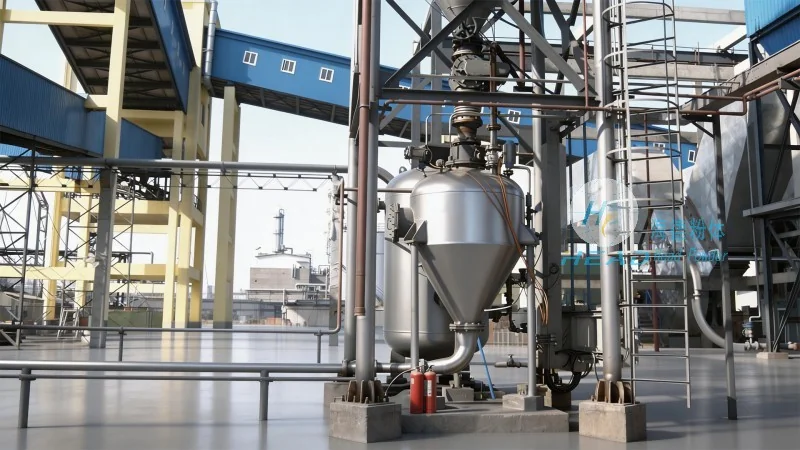
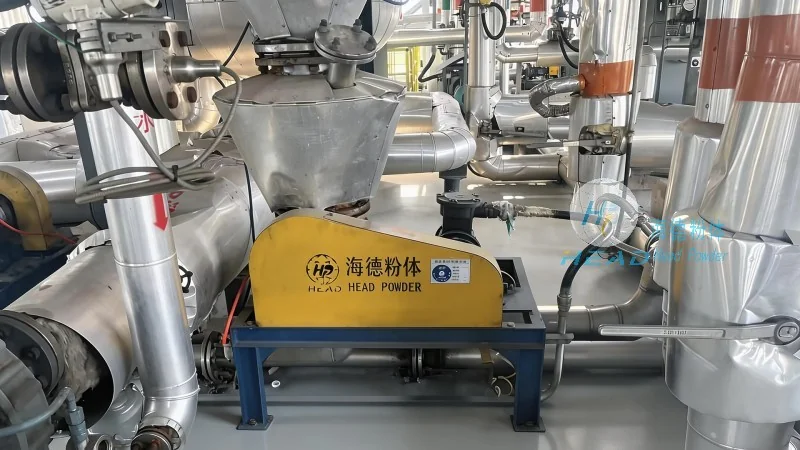
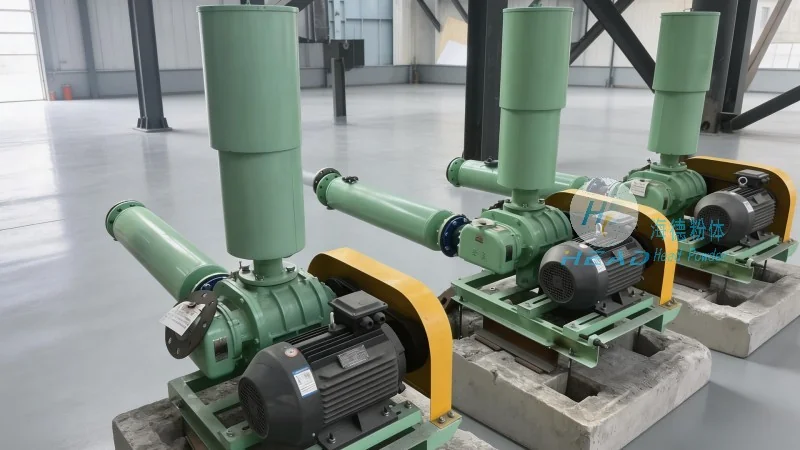
Graphene pneumatic conveying technology operates on the fundamental principle of using air as a carrier medium to transport fine particles or powders, including graphene, through a closed pipeline system. The process begins with the material being fed into the system, typically via a hopper or feeder, where it is then entrained by a high-velocity airflow generated by a blower or compressor. This airflow creates a pressure differential that lifts and transports the material through the pipeline. The technology relies on the principles of fluid dynamics and particle mechanics, ensuring that the material is conveyed efficiently and without degradation. Key components of the system include the feeder, which controls the material flow rate; the blower, which provides the necessary air pressure and volume; the pipeline network, which transports the material; and the receiver, which collects the material at the destination. Each component is designed to work in concert to achieve stable and reliable transport, minimizing issues such as clogging or material loss.
Applications in Various Industries
Graphene pneumatic conveying technology is widely adopted across multiple industries due to its ability to handle high-purity materials with precision and efficiency. In the electronics industry, it is crucial for the delivery of graphene-based powders used in the production of flexible electronics, such as organic light-emitting diodes (OLEDs) and wearable sensors. The technology ensures that the graphene powder is delivered uniformly and without contamination, which is essential for maintaining the performance and reliability of these devices. In the aerospace sector, the technology is used to transport lightweight graphene composites for aircraft components, where the consistent supply of high-quality material is vital for reducing weight and improving structural integrity. The battery industry also benefits significantly from this technology, as it enables the precise mixing of graphene with other battery materials, enhancing the energy density and cycle life of lithium-ion batteries. Additionally, in the pharmaceutical and cosmetics sectors, the technology is employed for the safe and hygienic handling of graphene-based powders, adhering to strict regulatory standards. Each application leverages the technology's ability to maintain material integrity and minimize dust exposure, making it an ideal solution for industries requiring high standards of quality and safety.
Development Trends and Future Prospects
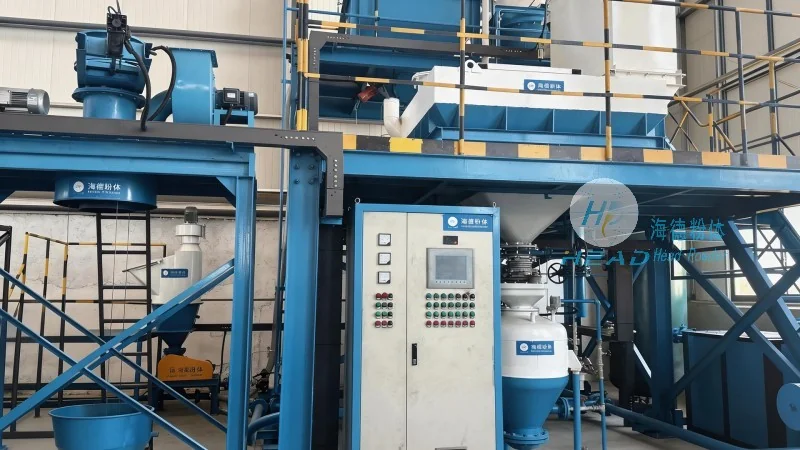
The evolution of graphene pneumatic conveying technology is driven by ongoing advancements in material science and process automation. Future developments are focused on enhancing system efficiency and scalability, with research aimed at optimizing airflow patterns and reducing energy consumption. Integration of smart sensors and real-time monitoring systems is another key trend, allowing for dynamic adjustments to the conveying parameters based on material properties and system conditions. This automation improves process control and reduces downtime, leading to higher overall productivity. Furthermore, the technology is expanding its material compatibility, with applications now including other nanomaterials like carbon nanotubes and graphene oxide. This broadens the scope of industries that can benefit from the technology, from advanced materials manufacturing to specialty chemicals. Additionally, advancements in material handling equipment are leading to the development of more durable and corrosion-resistant components, which extend the operational life of the conveying systems and reduce maintenance costs. These trends indicate a promising future for graphene pneumatic conveying technology, as it continues to adapt to the evolving needs of modern industries, offering sustainable and efficient solutions for material transport.




