Salt airslide conveying technology represents a sophisticated method for transporting bulk salt through pneumatic systems. This technology is widely adopted in the food processing and storage industries due to its efficiency, hygiene, and ability to handle various salt types, including table salt, industrial salt, and iodized salt. The core principle involves using air as the medium to move granular materials like salt, eliminating the need for mechanical components that might come into direct contact with the product, thus maintaining product purity and safety standards.
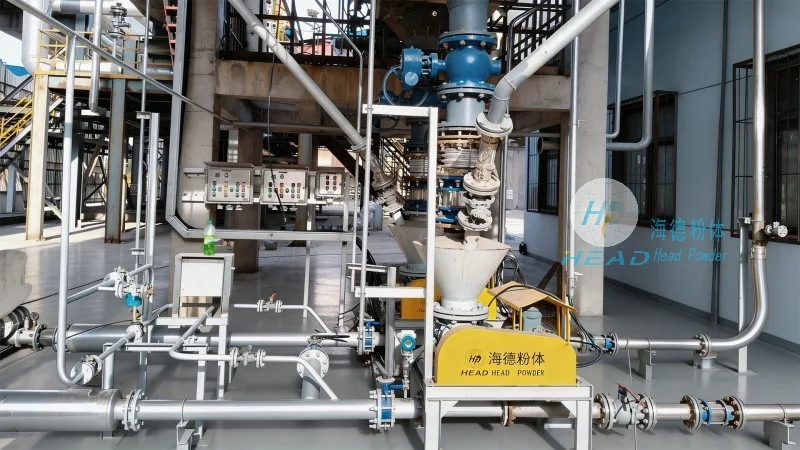
Principles of Airslide Conveying for Salt
The fundamental operation of salt airslide conveying relies on the creation of a consistent airflow through a specially designed conveyor tube. In a typical setup, air is introduced at one end of the tube, generating a low-pressure zone that draws the salt particles along with it. The air velocity is carefully controlled to ensure that the salt remains in a suspended state without causing excessive wear or degradation. This pneumatic transport method can be categorized into two main types: positive pressure and negative pressure systems. Positive pressure systems blow air into the conveyor, while negative pressure systems create a vacuum to draw the material. For salt applications, positive pressure is often preferred as it allows for better control over the material flow and reduces the risk of dust contamination.
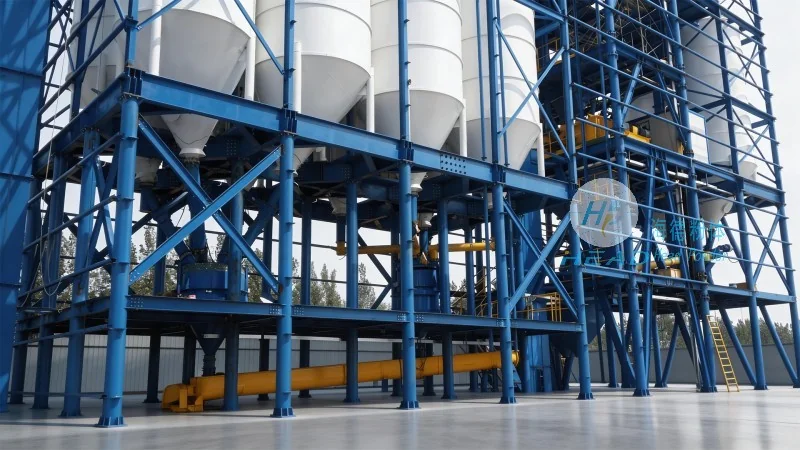
Applications in the Salt Industry
HeadPowder Engineering Co., Ltd., a leading provider of bulk material handling solutions, has extensively applied salt airslide conveying technology across various industrial settings. In salt storage facilities, airslide conveyors are used to transfer large quantities of salt from storage silos to processing lines or packaging stations. The technology ensures smooth and continuous material movement, minimizing downtime and improving operational efficiency. During the production of table salt, airslide systems can transport raw salt from crushing and grinding stages to mixing and packaging units. In industrial salt processing, such as for de-icing or water treatment, airslide conveyors facilitate the movement of coarse or fine salt particles between different processing stages, ensuring uniform mixing and consistent product quality. Additionally, the hygienic design of airslide systems makes them suitable for food-grade salt applications, where contamination control is paramount.
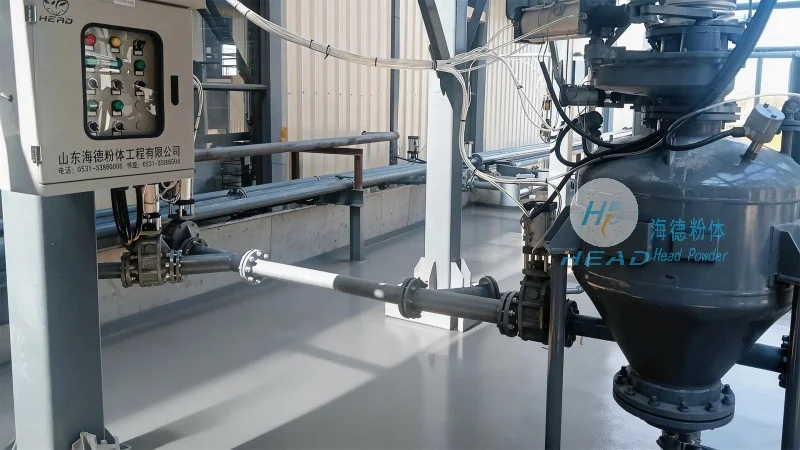
Technical Advantages and Features
Compared to traditional mechanical conveyors like belt or screw conveyors, salt airslide conveying offers several advantages. Firstly, it eliminates the need for moving parts that come into direct contact with the salt, reducing the risk of product contamination and cross-contamination between different salt batches. This is particularly important in food processing where product safety is a top priority. Secondly, airslide systems are highly flexible and can be easily integrated into existing production lines or modified to accommodate changes in production volume. The modular design allows for the addition or removal of conveyor sections as needed, providing scalability for growing businesses. Thirdly, airslide conveyors are energy-efficient, as they require less power to operate compared to mechanical systems that rely on motors and gears. The low maintenance requirements also contribute to cost savings over the long term, as there are fewer components that need regular servicing or replacement.
Development Trends and Future Enhancements
The salt airslide conveying technology continues to evolve with advancements in material handling and automation. One of the key trends is the integration of sensors and automation controls to monitor and optimize the conveying process. Real-time sensors can detect changes in air pressure, flow rate, or material level, allowing for immediate adjustments to maintain optimal performance. This automation enhances operational efficiency and reduces the need for manual intervention, leading to higher productivity and lower labor costs. Another trend is the use of advanced materials for conveyor components, such as food-grade plastics and stainless steel, which improve durability and resistance to corrosion, especially when handling salt with high moisture content or impurities. Additionally, research is being conducted to develop more energy-efficient air compression systems, reducing the overall operational costs of airslide conveyors. The integration of IoT (Internet of Things) technology is also on the horizon, enabling remote monitoring and predictive maintenance of airslide systems, further enhancing their reliability and longevity.
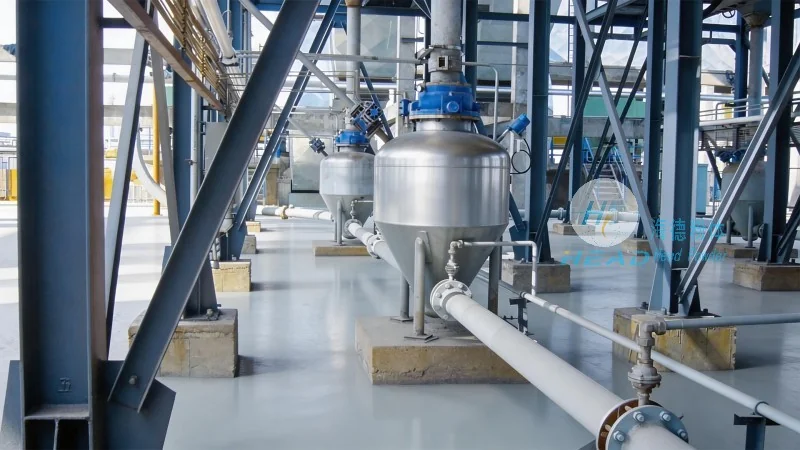
Company Profile: Shandong HeadPowder Engineering Co., Ltd.
HeadPowder Engineering Co., Ltd. is a professional manufacturer and supplier of bulk material handling equipment, specializing in airslide conveying systems for various industries, including food processing, chemical, and mining. With a strong focus on innovation and customer satisfaction, the company has developed a range of customized solutions tailored to the specific needs of salt producers and processors. HeadPowder's team of engineers and technicians has extensive experience in designing and implementing airslide systems that meet the highest industry standards for safety, efficiency, and hygiene. The company's facilities in Shandong, China, are equipped with advanced manufacturing capabilities and quality control processes to ensure that every product meets or exceeds customer expectations. HeadPowder Engineering is committed to providing reliable and durable airslide conveying solutions that enhance the productivity and profitability of its clients in the salt industry.




