Flue gas desulfurization (FGD) is a critical process in power plants and industrial facilities to reduce sulfur dioxide emissions. The efficient handling of desulfurization agents, such as limestone or lime, is essential for the overall performance of FGD systems. Pneumatic conveying technology offers a reliable and effective solution for transporting these agents from storage to the reaction tower or other processing units. This article explores the principles, applications, and future trends of pneumatic conveying systems specifically designed for flue gas desulfurization agents, highlighting the role of Shandong HeadPowder Engineering Co., Ltd. as a key provider in this field.
Principles of Pneumatic Conveying for Desulfurization Agents
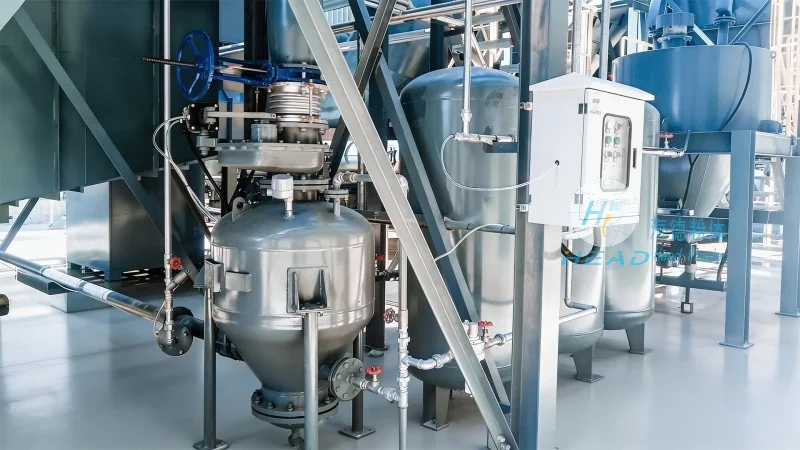
Pneumatic conveying utilizes air or gas to transport bulk materials through a pipeline system. In the context of desulfurization agents, this technology involves the use of positive or negative pressure to move powders like limestone or lime. The core principle is to create a flow of air that carries the solid particles, ensuring consistent and controlled delivery. Key components of a pneumatic conveying system include the hopper, feeder, conveying line, and discharge device. The system operates by introducing air into the material stream, creating a mixture that travels through the pipeline to the destination. This method eliminates the need for mechanical conveying equipment, reducing maintenance and operational costs while improving safety by minimizing dust exposure.
Applications in Flue Gas Desulfurization Systems
Shandong HeadPowder Engineering Co., Ltd. specializes in providing pneumatic conveying solutions tailored to FGD processes. These systems are widely used in power plants, particularly those with wet or dry FGD systems. The primary application is the transport of limestone or lime from storage silos to the reaction tower, where the chemical reaction with sulfur dioxide occurs. The efficiency of the conveying system directly impacts the performance of the FGD unit, as consistent material supply ensures optimal reaction rates and sulfur removal efficiency. Additionally, pneumatic conveying is used for transporting byproducts, such as gypsum, from the system to storage or disposal areas. The technology is also applicable in industrial settings where desulfurization is required, such as chemical plants or cement factories, where the handling of bulk desulfurization agents is critical.
Key Advantages of Pneumatic Conveying Systems
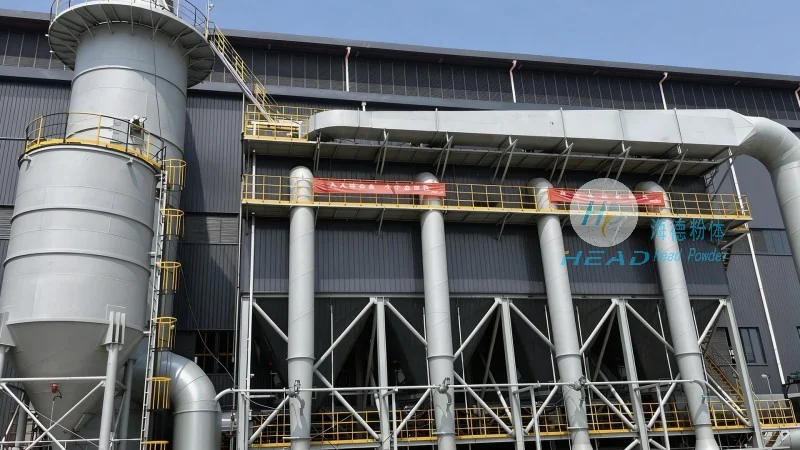
Compared to traditional mechanical conveying methods, pneumatic conveying offers several advantages for desulfurization agent handling. First, it provides a dust-free operation, which enhances workplace safety and reduces the risk of environmental contamination. Second, the system is flexible and can be easily integrated into existing FGD infrastructure, allowing for modifications or expansions without major disruptions. Third, pneumatic conveying systems are energy-efficient, as they use air pressure rather than mechanical components to move materials, leading to lower operational costs over time. Fourth, the technology allows for precise control over the flow rate and pressure, ensuring consistent material delivery to the reaction tower. These advantages make pneumatic conveying an attractive option for power plants and industrial facilities seeking to optimize their desulfurization processes.
Technological Developments and Future Trends
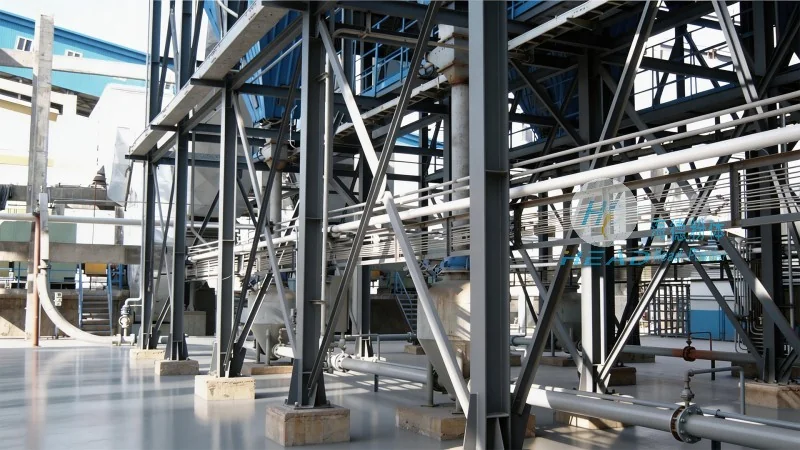
The field of pneumatic conveying for desulfurization agents is continuously evolving, with advancements aimed at improving efficiency, reliability, and sustainability. One of the key trends is the development of high-capacity conveying systems capable of handling larger volumes of desulfurization agents. This is particularly important for large-scale power plants that require high throughput to meet emission standards. Another trend is the integration of automation and control systems, which enhance the precision and responsiveness of the conveying process. Advanced sensors and control algorithms allow for real-time monitoring of material flow and air pressure, enabling proactive maintenance and adjustments. Additionally, there is a growing focus on energy-efficient designs, such as using regenerative blowers or optimizing air flow to reduce energy consumption. These technological developments are driven by the need to comply with stricter environmental regulations and to reduce operational costs. Shandong HeadPowder Engineering Co., Ltd. is at the forefront of these advancements, offering innovative solutions that meet the evolving needs of the industry.
Conclusion
Pneumatic conveying technology plays a vital role in the efficient operation of flue gas desulfurization systems. By providing a reliable and safe method for transporting desulfurization agents, this technology contributes to the reduction of sulfur dioxide emissions and the overall environmental performance of power plants and industrial facilities. Shandong HeadPowder Engineering Co., Ltd. has established itself as a leading provider of pneumatic conveying solutions, leveraging advanced technology and expertise to meet the diverse needs of clients. As the industry continues to evolve, the company remains committed to innovation, ensuring that its products and services remain at the cutting edge of desulfurization agent handling technology.




