HeadPowder, a leading engineering company based in Shandong, China, specializes in the design and implementation of advanced pneumatic conveying systems for sulfur pellets. This technology is crucial in modern industrial processes, enabling efficient material handling and transportation of sulfur pellets from production sites to processing facilities. The following sections will explore the fundamental principles of pneumatic conveying, its practical applications across various industries, and the evolving trends that shape its future development.
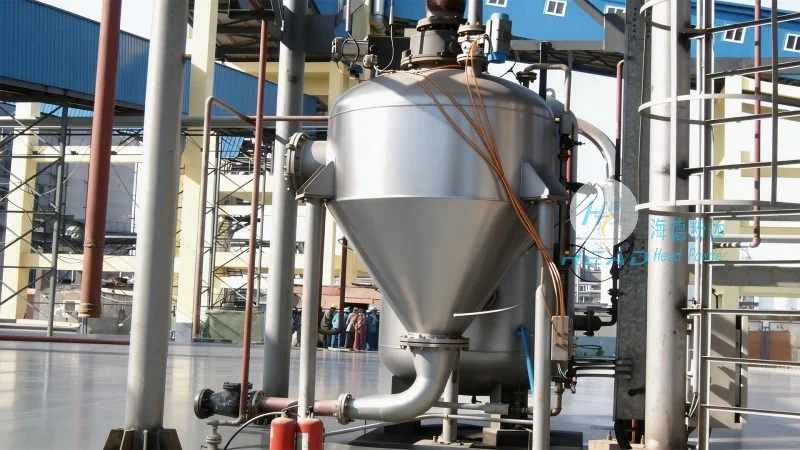
Pneumatic conveying, also known as air conveying, is a method of transporting bulk materials through a pipeline using a stream of air or gas. In the case of sulfur pellets, this technology involves the use of pressure or vacuum to move the solid particles through a system of pipes. The core principle revolves around creating a flow of air that entrains the pellets, allowing them to be transported without direct contact with mechanical components like belts or buckets. This approach offers several advantages, including reduced equipment wear, improved material cleanliness, and enhanced safety by eliminating the need for manual handling of potentially hazardous materials.
The system typically consists of several key components: a material feeder, a conveying line, a separator, and a receiver. The material feeder, often a rotary valve or a screw feeder, introduces sulfur pellets into the system at a controlled rate. The conveying line, usually made of stainless steel or other corrosion-resistant materials, transports the pellets along the pipeline. The separator, such as a cyclone or a bag filter, separates the pellets from the air stream, ensuring that the material is deposited in the receiver without contamination. The receiver, typically a storage silo or a processing vessel, collects the transported sulfur pellets for further use.
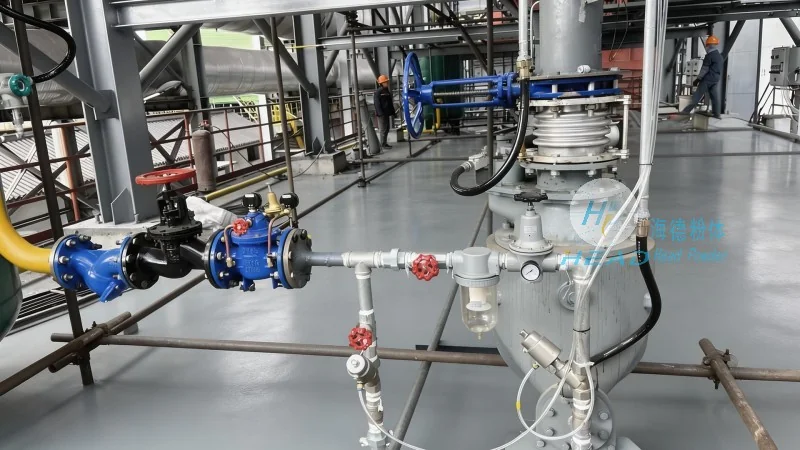
One of the primary applications of sulfur pellet pneumatic conveying is in the chemical industry, particularly in the production of sulfuric acid. Sulfur pellets are a key raw material for this process, and efficient transportation is essential to maintain production efficiency. The technology also finds applications in the fertilizer industry, where sulfur is used as a nutrient in agricultural products. Additionally, it is utilized in the petrochemical sector for the handling of sulfur-containing byproducts during refining processes. The versatility of pneumatic conveying makes it suitable for a wide range of industrial settings, from small-scale operations to large-scale manufacturing plants.
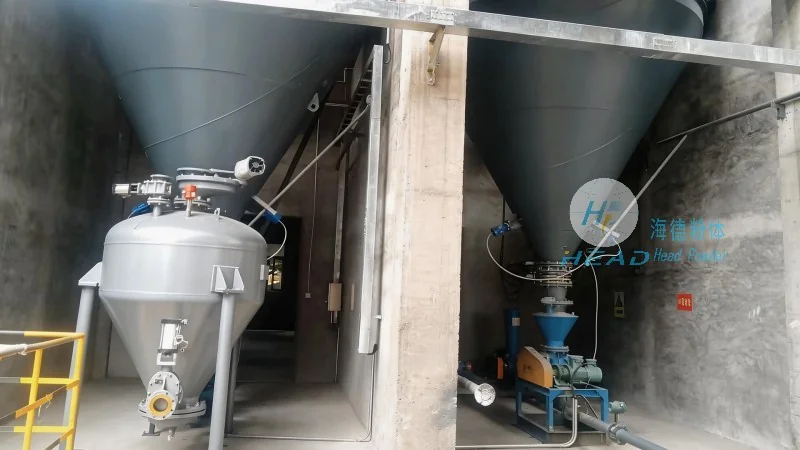
Advancements in pneumatic conveying technology have focused on improving efficiency, reducing energy consumption, and enhancing system reliability. Modern systems often incorporate variable speed drives and intelligent control systems that optimize air flow and material feed rates. This not only reduces operational costs but also minimizes environmental impact by minimizing dust emissions and energy waste. Furthermore, the development of high-capacity conveying lines and advanced separators has enabled the transportation of larger quantities of sulfur pellets over longer distances with greater precision.
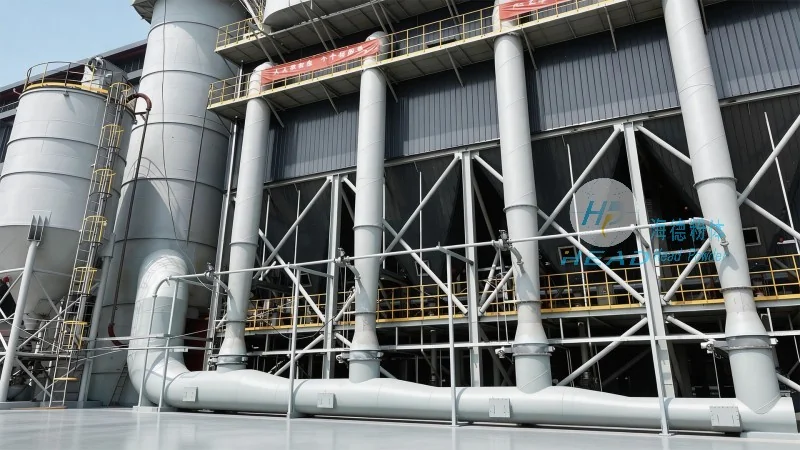
Future trends in sulfur pellet pneumatic conveying technology are driven by the need for more sustainable and efficient industrial practices. Research is ongoing to develop more energy-efficient air compressors and to explore alternative gas sources, such as recycled air or low-carbon gases, to reduce the carbon footprint of the system. Additionally, the integration of automation and IoT (Internet of Things) technologies is improving real-time monitoring and predictive maintenance, allowing for proactive system management and reduced downtime. These advancements are expected to further enhance the performance and reliability of pneumatic conveying systems, making them an even more attractive solution for industrial material handling.
HeadPowder, with its expertise in engineering and material handling, continues to lead the development of innovative pneumatic conveying solutions for sulfur pellets. By leveraging cutting-edge technology and a deep understanding of industrial processes, the company ensures that its systems meet the highest standards of efficiency, safety, and sustainability. The company's commitment to quality and customer satisfaction has made it a trusted partner for businesses seeking reliable and effective material transportation solutions. As the industry evolves, HeadPowder remains at the forefront of innovation, providing tailored solutions that address the unique challenges of sulfur pellet handling in various industrial applications.




