Polycarbonate, a versatile engineering plastic, is extensively utilized across various industries due to its superior properties such as high impact resistance, excellent optical clarity, and good thermal stability. The efficient and reliable transportation of polycarbonate powders or granules is essential for maintaining smooth production workflows. Pneumatic conveying technology provides an effective method to move these materials from storage to processing equipment without mechanical contact, reducing contamination risks and enhancing operational safety. This article delves into the fundamental principles of polycarbonate pneumatic conveying systems, their practical applications, and emerging trends in the field.
Company Overview: HeadPowder
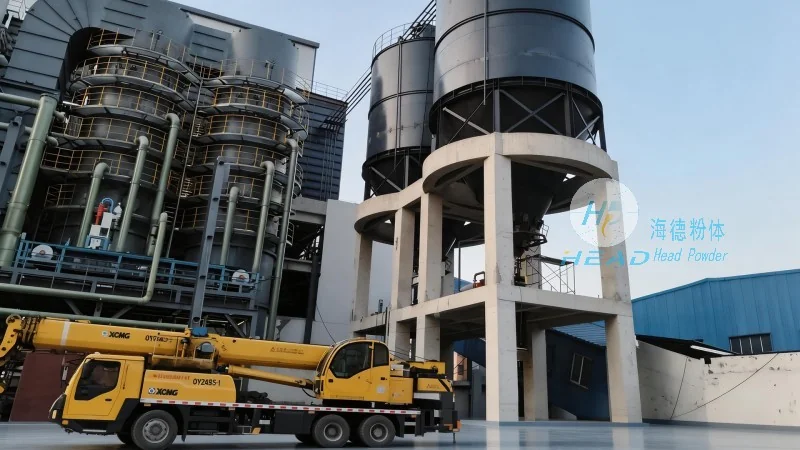
HeadPowder, a leading provider in material handling solutions, specializes in designing and manufacturing advanced pneumatic conveying systems tailored for high-value materials like polycarbonate. With a strong commitment to innovation and quality, Shandong HeadPowder Engineering Co., Ltd. has established itself as a trusted partner in the industry. The company’s headquarters is located in Shandong, China, where it leverages local expertise and resources to develop cutting-edge solutions for material transport challenges.
Principles of Pneumatic Conveying for Polycarbonate
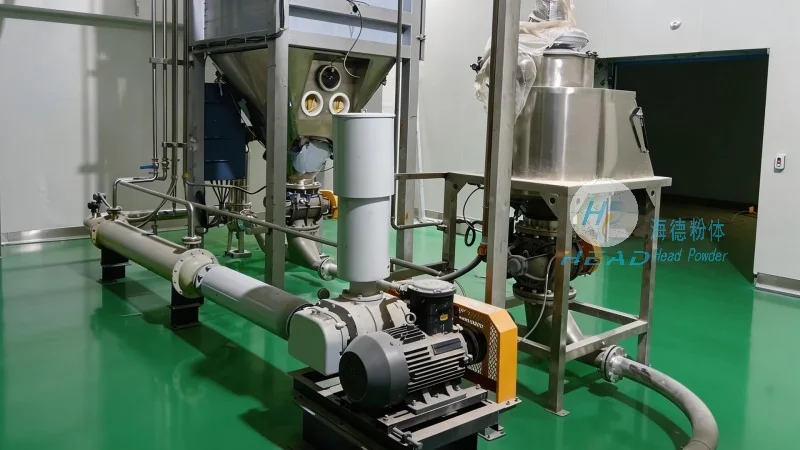
Pneumatic conveying systems operate by using air or gas to transport solid materials through a pipeline. For polycarbonate, which often presents unique handling challenges due to its low bulk density and potential for static charge accumulation, specialized equipment is required. The two primary types of pneumatic conveying are suction (or vacuum) and pressure systems. Suction systems draw material from a hopper or storage bin using a vacuum pump, while pressure systems force material through the pipeline using a positive displacement blower or compressor. Both systems consist of several key components: a feed device (such as a rotary valve or screw feeder), a conveying line (typically made of stainless steel or plastic to prevent material degradation), a separation unit (to separate the conveyed material from the air), and a receiving hopper or container.
Key Considerations for Polycarbonate Handling
When designing a pneumatic conveying system for polycarbonate, several factors must be carefully considered to ensure optimal performance. First, the material's physical properties, including particle size distribution, bulk density, and flowability, significantly impact the system's design. Polycarbonate particles are often fine and can be prone to bridging or agglomeration, which may require the use of vibrators or air knives to maintain consistent flow. Second, static electricity is a common issue with polymeric materials like polycarbonate, as it can cause material buildup on surfaces and affect the conveying process. Anti-static additives or grounding systems are typically incorporated into the design to mitigate this problem. Third, the system must be constructed from materials that are compatible with polycarbonate, avoiding any chemical reactions or contamination. Stainless steel or food-grade plastics are commonly used for the conveying line and components.
Applications of Polycarbonate Pneumatic Conveying
Polycarbonate pneumatic conveying systems find widespread application in industries where precision and cleanliness are paramount. In the electronics industry, these systems are used to transport polycarbonate powders to injection molding machines for the production of optical components, such as lenses and housings. The ability to maintain a dust-free environment is critical in this sector, as polycarbonate particles can interfere with the manufacturing process. In the automotive industry, polycarbonate is used for interior and exterior parts, and pneumatic conveying ensures efficient delivery to assembly lines. The medical device sector also relies on such systems for transporting polycarbonate components used in surgical instruments and diagnostic equipment, where sterility and contamination control are non-negotiable.
Advancements and Future Trends
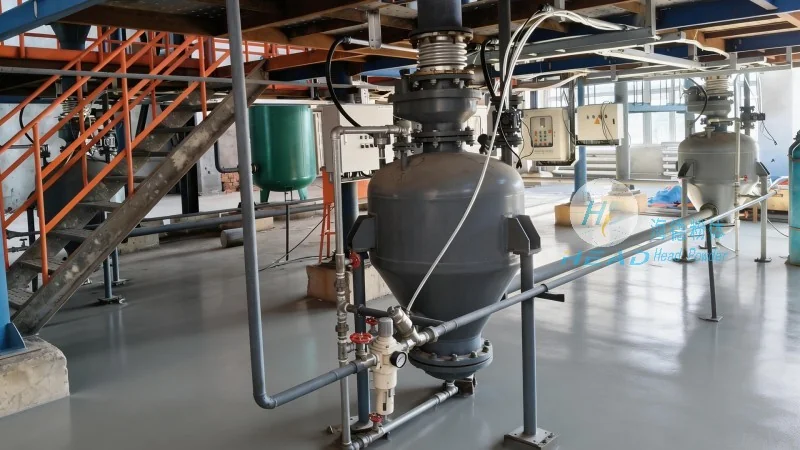
The field of polycarbonate pneumatic conveying is continuously evolving, driven by advancements in material science and automation technology. One key trend is the development of more energy-efficient systems, which use variable frequency drives (VFDs) to adjust air pressure and flow rates based on the material's requirements, reducing energy consumption. Another trend is the integration of smart sensors and control systems, enabling real-time monitoring of the conveying process. These systems can detect blockages, changes in material flow, or air pressure fluctuations, allowing for immediate adjustments and preventing system downtime. Additionally, the use of smaller diameter pipelines is becoming more common, as it reduces material costs and installation complexity while maintaining effective conveying performance. The future of polycarbonate pneumatic conveying lies in the combination of these technological advancements with sustainable practices, such as the use of recycled air and reduced material waste.
Conclusion
Pneumatic conveying technology offers a robust and efficient solution for handling polycarbonate materials, addressing the unique challenges associated with this high-value plastic. By understanding the principles of these systems and implementing appropriate design considerations, industries can achieve reliable material transport while maintaining product quality and operational safety. As technology continues to advance, the integration of automation, energy efficiency, and smart controls will further enhance the performance of polycarbonate pneumatic conveying systems, ensuring their relevance in modern manufacturing processes.




