When it comes to transporting fine coal powder, selecting the right method is crucial for efficiency, safety, and cost-effectiveness. The choice of conveyance system depends on factors such as the material's properties, the distance to be covered, and the required throughput. In this article, we explore several common methods used for fine coal powder conveyance, highlighting their applications and advantages.
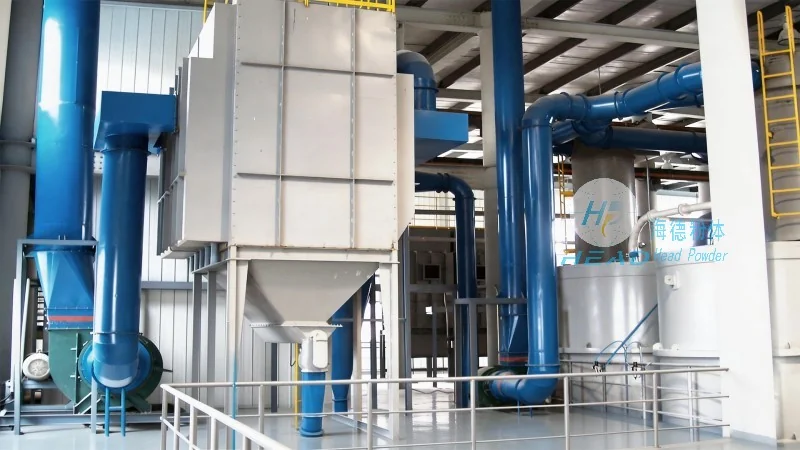
1. Air-Pneumatic Conveying Systems
Air-pneumatic systems are widely used for fine coal powder transport due to their ability to handle powders over long distances with minimal maintenance. These systems use compressed air to move the material through a pipeline. There are two main types: positive displacement and pressure dilute phase systems. Positive displacement systems are ideal for short to medium distances and high material loads, while pressure dilute phase systems are suitable for longer distances and lower loads. The key components include a blower, a hopper, and a pipeline network. The process involves feeding the coal powder into the hopper, where it is then drawn into the pipeline by the air flow. This method is particularly effective for fine powders as it prevents particle segregation and maintains a consistent flow rate. The company, Shandong HeadPowder Engineering Co., Ltd., specializes in designing and manufacturing such air-pneumatic systems tailored to specific industrial needs.
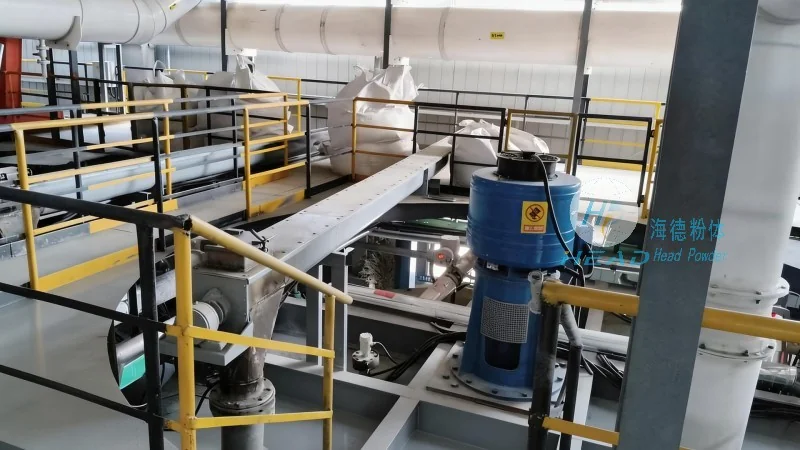
2. Mechanical Conveying Methods
For applications where air-pneumatic systems are not feasible or cost-effective, mechanical conveyors offer a reliable alternative. These systems use mechanical components like belts, screws, or buckets to transport the material. Belt conveyors are commonly used for horizontal or slightly inclined transport, suitable for bulk materials including fine coal powders. Screw conveyors, also known as augers, are ideal for vertical or inclined transport and can handle materials with varying moisture content. Bucket elevators are another option, particularly for vertical transport over significant heights. Mechanical conveyors are generally more cost-effective for shorter distances and lower throughput compared to air-pneumatic systems. However, they may require more maintenance and are less flexible in terms of layout changes. The company provides customized mechanical conveyor solutions that integrate with existing industrial setups, ensuring seamless material handling operations.
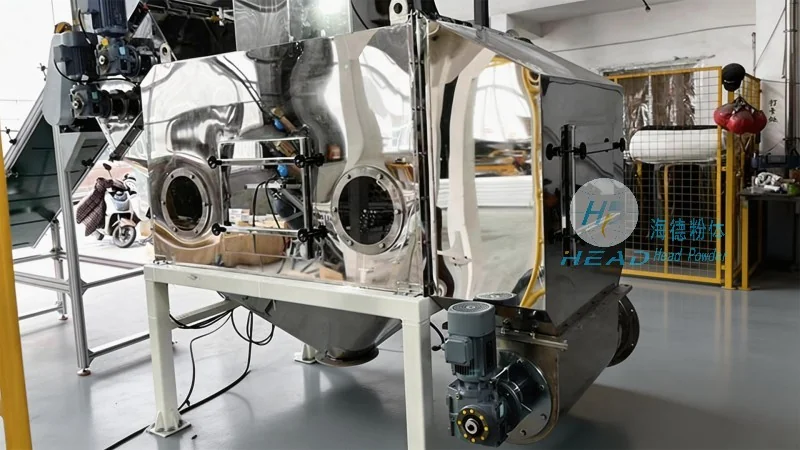
3. Hydraulic Conveying Systems
Hydraulic conveying systems use water or other liquids to transport fine coal powder. This method is particularly useful for materials that are difficult to handle with air or mechanical systems, such as those with high moisture content or abrasive properties. The system typically consists of a pump, a pipeline, and a settling tank. The coal powder is mixed with water to form a slurry, which is then pumped through the pipeline. At the destination, the slurry is separated, and the water is recycled. Hydraulic conveying is effective for long distances and large volumes but requires additional equipment for slurry treatment and water recycling. The company offers hydraulic conveying solutions that address the challenges of handling fine coal powders, ensuring efficient and environmentally friendly transport.
4. Combination Conveying Systems
In many industrial applications, a combination of different conveyance methods is used to optimize material transport. For example, a system might start with an air-pneumatic conveyor for initial transport from the storage silo to a processing plant, followed by a mechanical conveyor for final delivery to the end point. This hybrid approach leverages the strengths of each method, such as the long-distance capability of air-pneumatic systems and the reliability of mechanical conveyors. The company specializes in designing integrated conveying systems that combine multiple technologies to meet the specific requirements of clients. By integrating different components, these systems can handle varying material characteristics and operational conditions, ensuring consistent performance and minimal downtime.
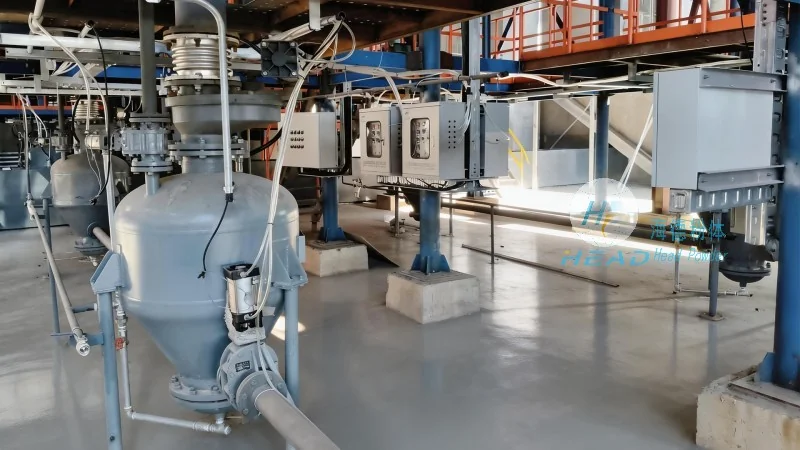
5. Factors to Consider When Choosing a Conveyance Method
When selecting a fine coal powder conveyance method, several factors must be considered to ensure optimal performance. The first is the material's properties, including particle size, moisture content, and abrasiveness. Fine coal powders often have small particle sizes, which can lead to issues like caking or segregation if not handled properly. The second factor is the distance and layout of the transport route. Long distances may require air-pneumatic or hydraulic systems, while shorter distances can use mechanical conveyors. The third factor is the required throughput and flow rate. High throughput may necessitate larger systems, such as multiple pipelines or larger conveyors. The fourth factor is the cost and maintenance requirements. Air-pneumatic systems may have higher initial costs but lower maintenance, while mechanical systems may have lower initial costs but higher maintenance. The company, Shandong HeadPowder Engineering Co., Ltd., provides expert consultation to help clients evaluate these factors and choose the most suitable conveyance method for their specific applications.




