Shandong HeadPowder Engineering Co., Ltd., commonly known as HeadPowder, is a professional enterprise based in Shandong, China, specializing in the research, development, and application of asbestos powder handling technologies. The company focuses on providing efficient and safe solutions for the transportation of asbestos powder, catering to the needs of various industrial sectors.
Common Methods for Asbestos Powder Transportation
When it comes to transporting asbestos powder, several methods are commonly employed in industrial settings. Each method has its own advantages and is suitable for different operational requirements. The choice of transportation method depends on factors such as the volume of material, the distance to be covered, the required speed, and the environmental conditions. Here are some of the most widely used approaches:
1. Pneumatic Conveying Systems
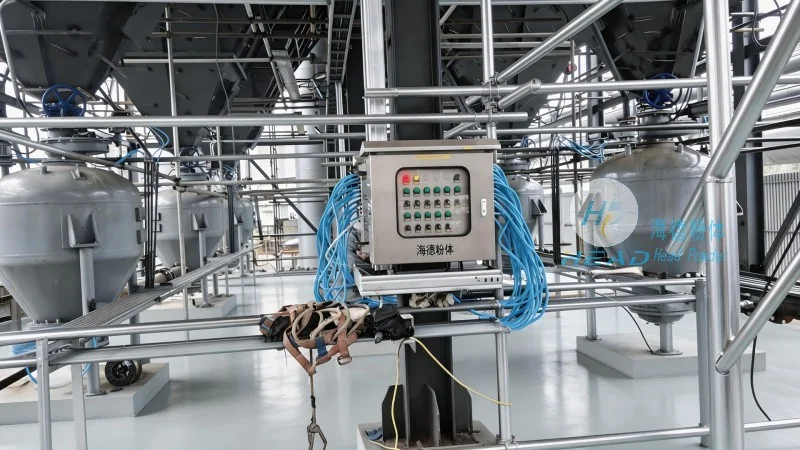
Pneumatic conveying, also known as air conveying, is a popular method for transporting asbestos powder due to its ability to handle fine powders efficiently. This system uses compressed air to move the powder through a pipeline. There are two main types of pneumatic conveying: pressure and vacuum systems. Pressure systems push the material forward using high-pressure air, while vacuum systems pull the material through the pipe using a vacuum. Pneumatic conveying is particularly effective for long-distance and high-volume transport, as it can maintain a consistent flow rate and minimize material degradation. However, it requires proper sealing to prevent dust emissions and ensure safety compliance. The system typically includes components such as a feeder, pipeline, and a separator or filter to collect any airborne particles. Proper maintenance of these components is crucial to ensure the system operates efficiently and safely.
2. Screw Conveyors
Screw conveyors, also known as auger conveyors, are another common method for transporting asbestos powder. These systems consist of a rotating screw (auger) inside a cylindrical tube. The screw rotates, pushing the powder forward along the tube. Screw conveyors are suitable for horizontal or slightly inclined transport and are ideal for handling bulk materials in a continuous manner. They are relatively simple in design, easy to install, and can be used in various industrial applications. However, they may not be as efficient for long-distance transport as pneumatic systems and can experience wear and tear over time, especially when handling abrasive materials like asbestos powder. The speed and pitch of the screw can be adjusted to control the flow rate and prevent material clogging. Regular inspection of the screw and tube is necessary to detect any signs of wear or damage.
3. Belt Conveyors
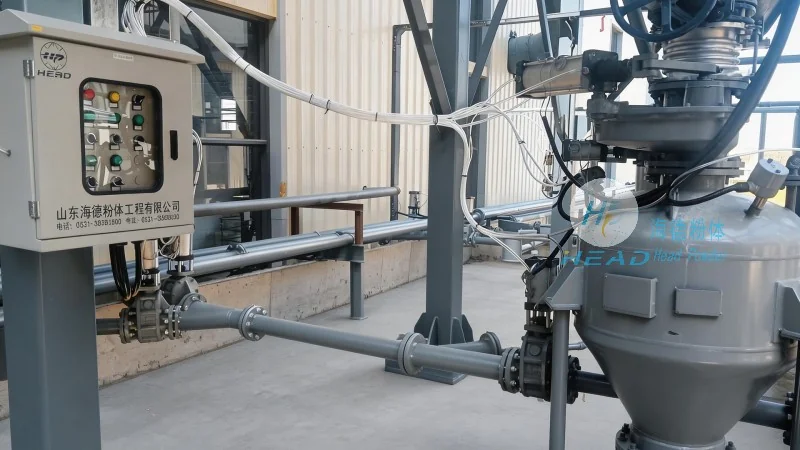
Belt conveyors are widely used in the transportation of asbestos powder, particularly in mining and construction industries. These systems consist of a continuous belt that moves over rollers or pulleys, transporting the material from one point to another. Belt conveyors are capable of handling large volumes of material and can cover long distances with minimal maintenance. They are suitable for both horizontal and inclined transport and can be adapted to various operational conditions. However, they require regular inspection and maintenance to ensure proper operation and prevent material spillage or belt damage. The choice of belt material is critical, as asbestos powder can be abrasive and may cause wear on the belt surface. High-quality, wear-resistant belts are recommended to extend the service life of the conveyor system. Additionally, proper sealing and dust control measures are essential to comply with environmental regulations and ensure workplace safety.
4. Hydraulic Conveying
Hydraulic conveying is another method used for transporting asbestos powder, especially in applications where the material is mixed with water or other liquids. This system uses a pump to move the slurry (a mixture of powder and liquid) through a pipeline. Hydraulic conveying is effective for handling wet or sticky materials and can provide a continuous flow. However, it requires careful control of the liquid-to-powder ratio to maintain proper flow and prevent clogging. The system includes components such as a pump, pipeline, and a separator to remove excess liquid. Proper maintenance of the pump and pipeline is essential to ensure efficient operation and prevent leaks or blockages.
5. Manual Handling and Bulk Bags
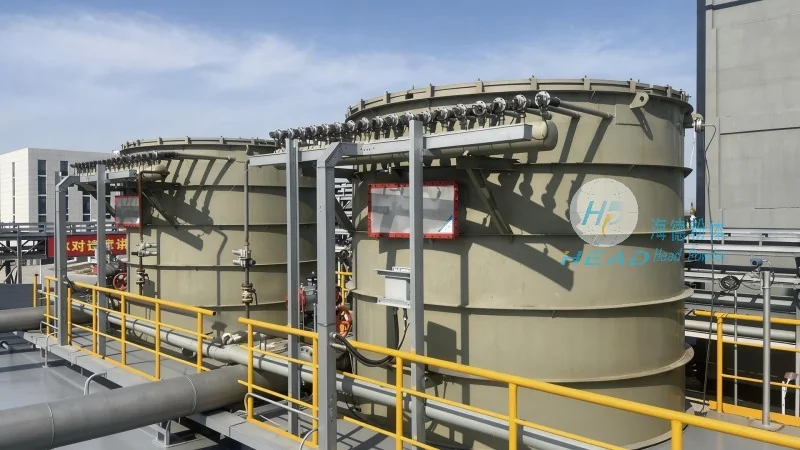
In some cases, especially for small-scale operations or in situations where other equipment is not available, manual handling methods may be used for transporting asbestos powder. This includes using bulk bags or containers to move the material by hand or with the assistance of manual lifting equipment. Manual handling is suitable for short distances and small quantities but is less efficient and more labor-intensive compared to mechanical systems. It is important to follow proper safety protocols when handling asbestos powder manually, as it can pose health risks if not handled correctly. Proper personal protective equipment (PPE) and respiratory protection are required to minimize exposure to airborne asbestos fibers.
Choosing the Right Transportation Method
When selecting a transportation method for asbestos powder, it is essential to consider several factors to ensure the most effective and safe solution. The volume and consistency of the material, the distance to be transported, the required speed, and the environmental regulations are all important considerations. Pneumatic conveying is often preferred for long-distance and high-volume transport due to its efficiency and ability to handle fine powders. Screw conveyors are suitable for horizontal transport and bulk material handling. Belt conveyors are ideal for large-scale operations and long distances. Hydraulic conveying is useful for wet or sticky materials. Manual handling should be used only for small-scale applications and with strict safety measures.
Conclusion
Transporting asbestos powder requires careful consideration of the method used to ensure efficiency, safety, and compliance with regulations. Shandong HeadPowder Engineering Co., Ltd. provides comprehensive solutions for asbestos powder handling, including the design and implementation of appropriate transportation systems. By understanding the characteristics of asbestos powder and the advantages of different transportation methods, industrial operators can choose the most suitable approach to meet their operational needs while maintaining safety standards.




