When it comes to the transportation of potassium chloride, understanding the available methods is crucial for ensuring efficiency and safety in industrial operations. Potassium chloride, a widely used chemical compound, requires appropriate handling and transport solutions to meet the demands of various industries, including agriculture, food processing, and chemical manufacturing. This article explores the primary transport methods for potassium chloride, highlighting the options that are commonly employed by professionals in the field.
Understanding Potassium Chloride and Its Transport Requirements
Potassium chloride (KCl) is a white crystalline salt that serves as a key source of potassium in many applications. Its physical properties, such as its solubility in water and relatively low reactivity, influence the selection of transport methods. The material is typically handled in bulk quantities, making the choice of transport mode critical for cost-effectiveness and logistical efficiency. Companies like Shandong HeadPowder Engineering Co., Ltd., a leading provider in the field, emphasize the importance of selecting the right transport method based on factors like distance, volume, and destination requirements.
Common Transport Methods for Potassium Chloride
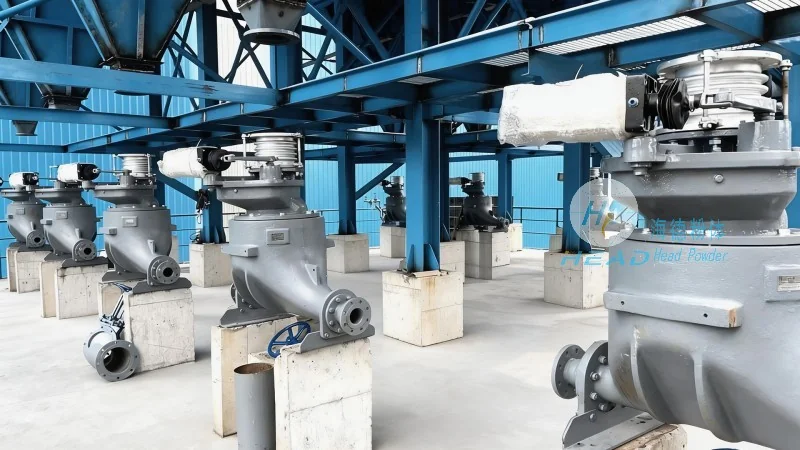
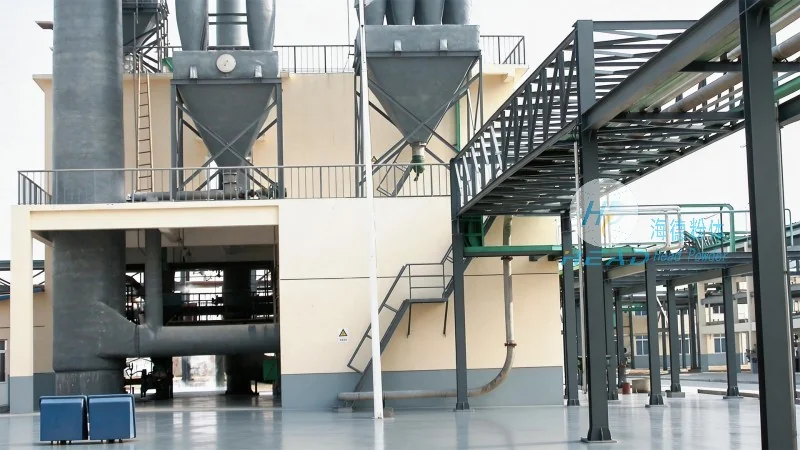
Several transport methods are commonly used for potassium chloride, each with its own advantages and considerations. The primary options include pipeline transport, bulk trucking, and packaging for smaller quantities. Pipeline transport is particularly effective for large-scale, continuous operations, allowing for the seamless movement of KCl from production facilities to processing plants or storage sites. This method minimizes handling and reduces the risk of contamination, making it ideal for industrial settings where high volumes are involved.
Bulk trucking, on the other hand, is a versatile solution for transporting potassium chloride over shorter to medium distances. Trucks equipped with specialized tanks or containers are used to carry the material, ensuring that it remains stable during transit. This method is flexible and can be adapted to meet the needs of different clients, including those requiring delivery to specific locations. The use of bulk trucks also allows for the transportation of larger quantities compared to smaller vehicles, making it suitable for industrial-scale operations.
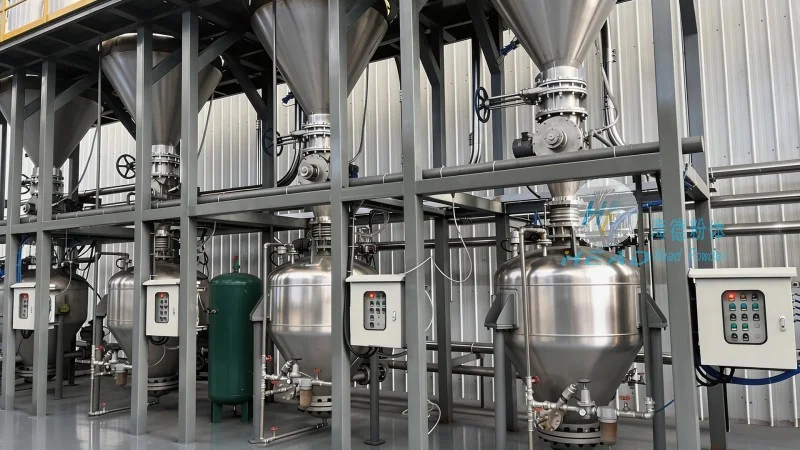
For smaller quantities or applications where bulk transport is not feasible, packaging methods are employed. Potassium chloride is often packaged in bags, drums, or containers that are designed to protect the material from moisture and other environmental factors. This approach is particularly useful for distribution to smaller businesses or for use in retail settings. The packaging must meet safety standards to prevent leaks or spills, ensuring that the material remains secure during transport.
Factors Influencing the Choice of Transport Method
The selection of the most appropriate transport method for potassium chloride depends on several key factors. Distance is a primary consideration, as longer distances may favor pipeline transport or specialized rail cars, while shorter distances may allow for bulk trucking. Volume also plays a significant role, with large-scale operations often opting for pipeline or bulk trucking to minimize costs per unit. Additionally, the destination of the KCl, whether it is a processing plant, storage facility, or end-user, influences the choice of transport method. For example, delivery to a food processing plant may require packaging and careful handling to meet food safety regulations.
Cost is another critical factor in determining the transport method. Pipeline transport can be more cost-effective for high-volume, long-distance operations due to lower labor and operational costs compared to trucking. However, for shorter distances or smaller volumes, trucking may be more economical. Companies like Shandong HeadPowder Engineering Co., Ltd. provide tailored solutions based on these factors, ensuring that clients receive the most efficient and cost-effective transport options for their potassium chloride needs.
Ensuring Safety and Compliance in Potassium Chloride Transport
Transporting potassium chloride requires adherence to safety and regulatory standards to prevent accidents and ensure environmental protection. Proper handling procedures, such as using sealed containers and avoiding exposure to moisture, are essential to maintain the integrity of the material. Additionally, compliance with local and international regulations regarding chemical transport is mandatory. Companies specializing in potassium chloride transport, including Shandong HeadPowder Engineering Co., Ltd., implement strict safety protocols to minimize risks and ensure that all transport operations meet legal requirements.
Training for personnel involved in the transport of potassium chloride is also a key aspect of ensuring safety. Workers must be knowledgeable about the properties of KCl and the proper handling techniques to prevent spills, leaks, or other incidents. Regular inspections of transport equipment, such as trucks and pipelines, are conducted to identify and address any potential issues before they become problems. By prioritizing safety and compliance, companies can ensure that the transport of potassium chloride is conducted efficiently and without incident.
Conclusion: Choosing the Right Transport Method for Potassium Chloride
In conclusion, the transport of potassium chloride involves careful consideration of various factors, including distance, volume, destination, and cost. The primary methods—pipeline transport, bulk trucking, and packaging—each offer unique advantages and are selected based on the specific needs of the operation. Companies like Shandong HeadPowder Engineering Co., Ltd. play a vital role in providing these transport solutions, ensuring that potassium chloride is delivered safely and efficiently to meet the demands of various industries. By understanding the available options and selecting the most appropriate method, businesses can optimize their operations and maintain compliance with industry standards.




