White bean slices, a common ingredient in various culinary applications, require efficient and reliable conveying systems to ensure smooth processing from raw material handling to packaging. The choice of conveying method for white bean slices is crucial as it impacts production efficiency, product quality, and operational costs. This article explores the primary conveying methods used in the industry, focusing on the equipment and considerations that make them suitable for handling white bean slices.
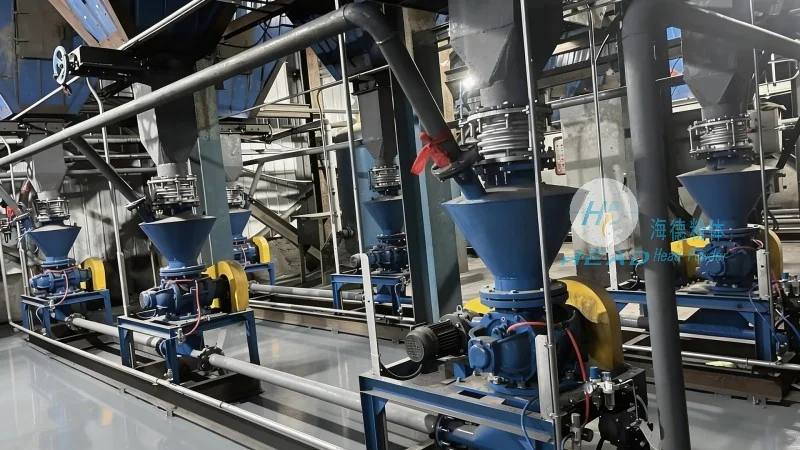
Understanding the Requirements for Conveying White Bean Slices
Before delving into specific conveying methods, it is essential to understand the characteristics of white bean slices that influence the selection of appropriate equipment. White bean slices are typically irregularly shaped, with a relatively soft texture and varying moisture content. These properties mean that the conveying system must be gentle to avoid damage to the product, maintain consistent flow, and prevent segregation or caking. Additionally, the system should be hygienic, easy to clean, and capable of handling different batch sizes without compromising throughput. The material's density and potential for dust generation also play a role in determining the most effective conveying solution.
Common Conveying Methods for White Bean Slices
Several conveying methods are widely used in the processing of white bean slices, each with its own advantages and applications. The most common options include screw conveyors, belt conveyors, and pneumatic conveyors. Each method is selected based on factors such as the production scale, the need for gentle handling, and the available space in the processing facility.
Screw Conveyors for White Bean Slices
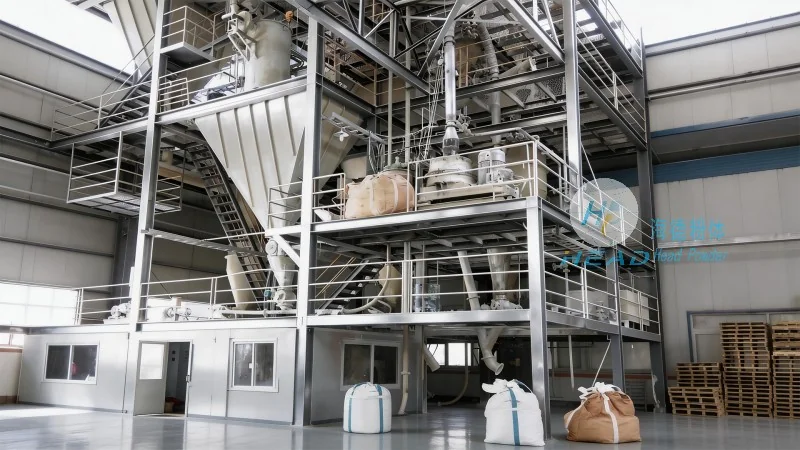
Screw conveyors, also known as auger conveyors, are among the most popular choices for conveying white bean slices. These systems consist of a rotating screw (auger) inside a U-shaped or tubular housing. The screw rotates, pushing the material forward through the housing. For white bean slices, a low-speed, gentle screw design is recommended to prevent product damage and ensure smooth movement. Screw conveyors are particularly effective for vertical or inclined conveying, allowing for elevation changes without the need for additional equipment. They are also suitable for handling materials with a moderate to high bulk density, making them ideal for processing large volumes of white bean slices. The enclosed design of screw conveyors helps maintain hygiene and prevents contamination from external sources, which is critical in food processing applications.
Belt Conveyors for White Bean Slices
Belt conveyors are another widely used method for transporting white bean slices, especially in applications requiring horizontal or slight incline movement over longer distances. These systems feature a continuous belt that moves over rollers or a flat surface, with the product placed on the belt and carried to the destination. For white bean slices, a belt made of food-grade materials, such as rubber or PVC, is essential to ensure safety and compliance with food processing standards. The belt speed can be adjusted to control the flow rate, allowing for precise handling of the product. Belt conveyors are particularly advantageous when the processing line requires multiple transfer points or when integrating with other equipment like sorting or packaging machines. They are also capable of handling a wide range of product sizes and shapes, making them versatile for various processing stages.
Pneumatic Conveyors for White Bean Slices
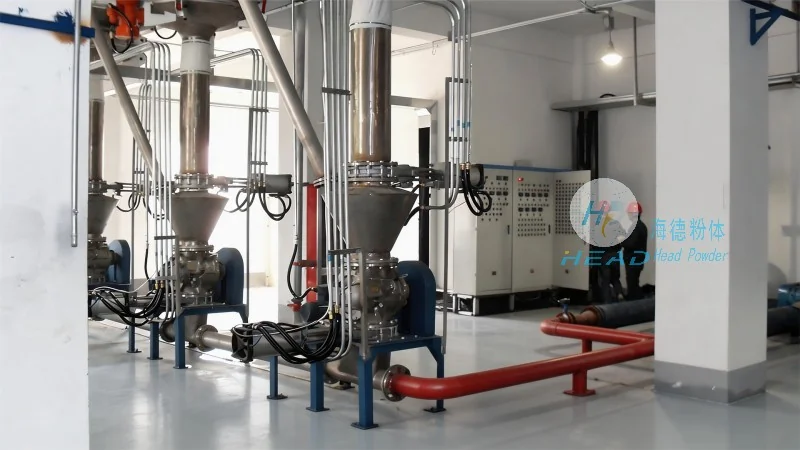
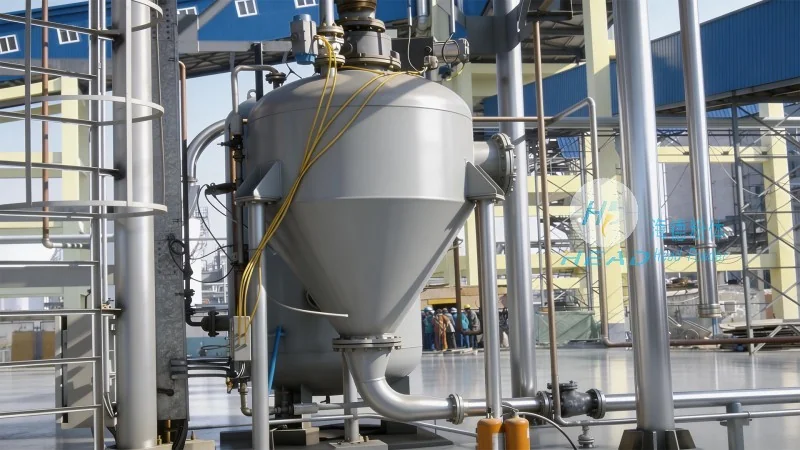
Pneumatic conveyors use air pressure or vacuum to transport white bean slices through a pipeline system. These systems are ideal for applications where dust control and enclosed handling are priorities. There are two main types of pneumatic conveyors: pressure and vacuum. Pressure conveyors use compressed air to push the material through the pipeline, while vacuum conveyors use a vacuum to draw the material into the system. For white bean slices, a vacuum system is often preferred as it allows for gentle material handling and reduces the risk of product breakage. Pneumatic conveyors are particularly effective for short to medium distance conveying and for integrating with other processing equipment, such as mixers or blenders. They are also suitable for handling materials that are prone to segregation or caking, as the enclosed pipeline prevents material from coming into contact with external elements.
Choosing the Right Conveying Method for Your White Bean Slice Processing
Selecting the appropriate conveying method for white bean slices involves evaluating several factors, including the production volume, the required conveying distance, the need for gentle handling, and the available budget. For small-scale operations, a screw conveyor or a simple belt conveyor may be sufficient. However, for large-scale processing facilities, a combination of different conveying methods might be necessary to achieve optimal efficiency. It is also important to consider the maintenance requirements of each system, as regular maintenance is crucial for ensuring consistent performance and minimizing downtime.
Conclusion
In conclusion, the choice of conveying method for white bean slices is a critical decision that impacts the overall efficiency and quality of the processing operation. Screw conveyors, belt conveyors, and pneumatic conveyors each offer unique advantages and are suitable for different applications. By understanding the specific requirements of your processing facility and the characteristics of white bean slices, you can select the most appropriate conveying system to meet your needs. Whether you are a small-scale producer or a large industrial operation, investing in the right conveying equipment will help ensure smooth and efficient processing of white bean slices, ultimately contributing to higher product quality and increased productivity.




