When it comes to industrial processes, the efficient and precise delivery of additives is crucial for maintaining product quality and process consistency. Additives, such as chemicals, colorants, or functional agents, play a vital role in enhancing the performance of various products. The method of delivery directly impacts the effectiveness of these additives in the final product. This article explores the common methods used for additive delivery, highlighting the key considerations and applications in industrial settings. HeadPowder, a leading provider of additive delivery solutions, emphasizes the importance of choosing the right system for each application.
Key Factors Influencing Additive Delivery
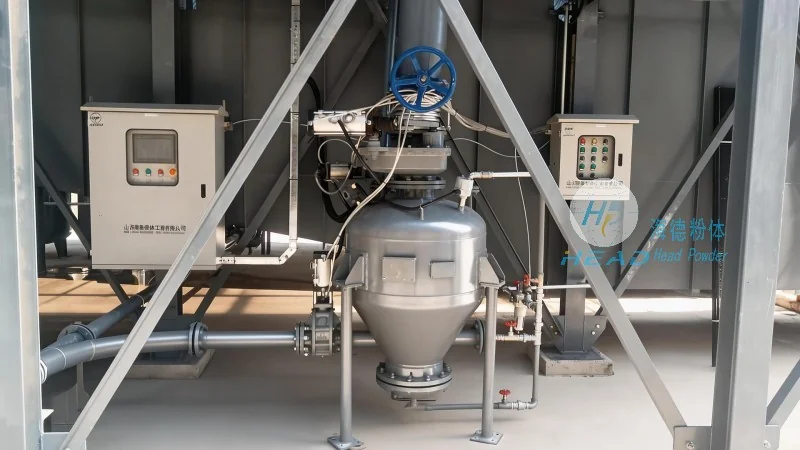
Before discussing specific delivery methods, it's essential to understand the factors that influence the choice of system. These factors include the type of additive (liquid, powder, or granular), the required flow rate, the viscosity of the additive, the scale of the operation, and the environmental conditions. The delivery system must be compatible with the additive's properties to ensure accurate dosing and prevent equipment damage. Additionally, the system should be easy to maintain and integrate with existing production lines. HeadPowder's expertise in system design helps clients select the most suitable equipment based on these factors.
Common Additive Delivery Methods
There are several standard methods for delivering additives in industrial applications. Each method is suited to different types of additives and operational requirements. The primary methods include pump systems, metering pumps, gravimetric feeders, and pneumatic conveying systems.
Pump Systems for Liquid Additives
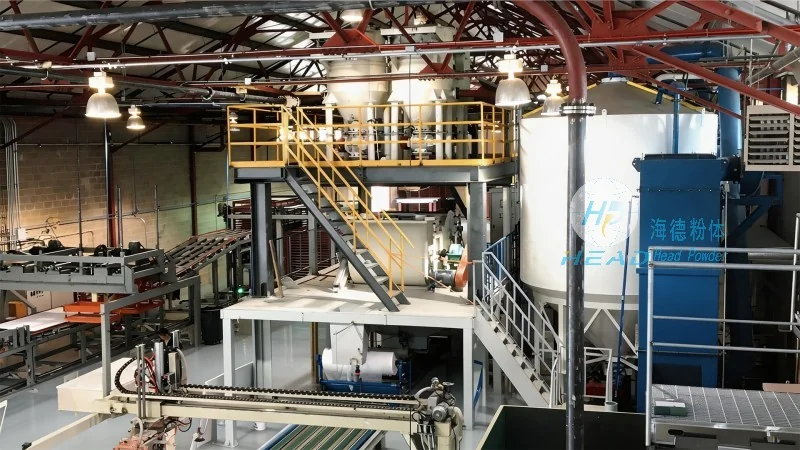
For liquid additives, pump systems are widely used due to their ability to handle various viscosities and flow rates. Centrifugal pumps are commonly employed for low to medium viscosity liquids, providing consistent flow. Positive displacement pumps, such as gear pumps or diaphragm pumps, are ideal for high-viscosity liquids or when precise dosing is required. These pumps ensure that the additive is delivered at a controlled rate, preventing over or under-dosing. The selection of a pump depends on the specific characteristics of the additive and the desired flow rate. For example, a diaphragm pump can handle shear-sensitive additives without causing degradation, making it suitable for pharmaceutical or food applications.
Metering Pumps for Precise Dosing
Precise dosing is critical in many industries, especially where small amounts of additives are required. Metering pumps are designed to deliver a specific volume or flow rate of liquid additive. These pumps use mechanical or hydraulic systems to maintain a consistent output, regardless of pressure variations. They are commonly used in applications like water treatment, chemical manufacturing, and food processing. The accuracy of metering pumps is typically within ±1% of the set flow rate, ensuring that the additive is added in the exact proportion needed. This precision helps maintain product consistency and compliance with regulatory standards.
Gravimetric Feeders for Powder and Granular Additives
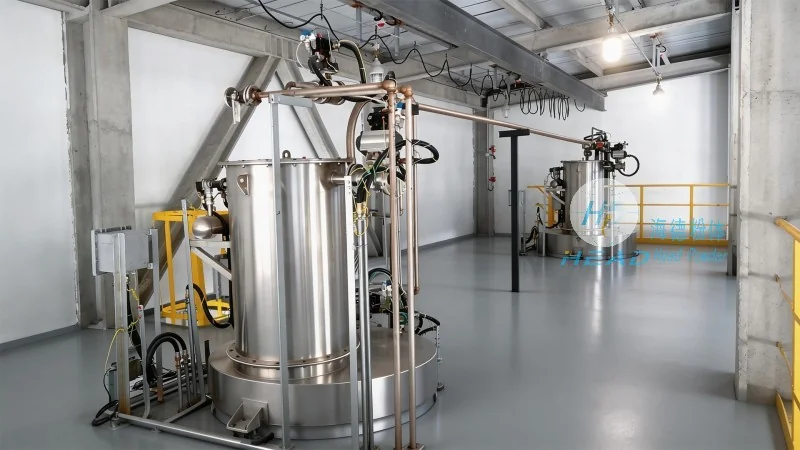
For powder or granular additives, gravimetric feeders are the preferred choice. These systems measure the mass of the additive being delivered, rather than volume, which is essential for accurate dosing, especially when the density of the additive changes. Gravimetric feeders use load cells to weigh the material as it is fed into the process. They are commonly used in the pharmaceutical, food, and chemical industries for additives like colorants, flavorings, or functional agents. The system can be calibrated to deliver a specific weight per unit time, ensuring consistent addition. For example, in a food processing plant, a gravimetric feeder might be used to add a precise amount of vitamin C to a batch of juice, maintaining the nutritional content.
Pneumatic Conveying Systems
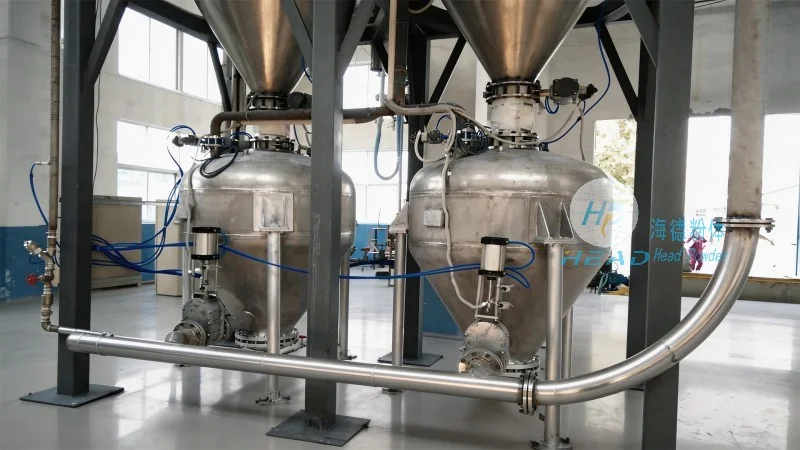
Pneumatic conveying systems use air or other gases to transport solid additives, such as powders or granules. These systems are suitable for additives that are difficult to handle with mechanical systems or when long-distance transport is required. There are two main types of pneumatic conveying: dilute phase and dense phase. Dilute phase systems use low air velocity to transport the additive in a cloud-like state, while dense phase systems use higher air velocity to push the additive in a slug-like state. The choice between the two depends on the material's properties and the distance to be covered. Pneumatic conveying systems are often used in the chemical and food industries for additives like spices, powders, or granules. They provide a clean and efficient way to transport additives without the need for mechanical contact.
Integration and Control Systems
Modern additive delivery systems are often integrated with control systems to ensure optimal performance. These systems can monitor the flow rate, pressure, and temperature of the additive and adjust the delivery rate accordingly. Sensors and feedback loops are used to maintain the desired dosing level, even when there are fluctuations in the process. The integration of control systems also allows for remote monitoring and troubleshooting, reducing downtime and maintenance costs. For example, a control system might detect a drop in the additive level and automatically trigger a refill, preventing interruptions in the production process.




