Wheat, a staple crop worldwide, requires efficient and reliable transportation methods to ensure it reaches processing facilities, storage sites, or distribution centers. The choice of transportation method depends on various factors, including the quantity of wheat, distance, cost considerations, and the need for minimal handling to preserve grain quality. This article explores several common wheat transportation methods, highlighting their applications and benefits.
1. Truck Transportation: The Versatile Option for Short to Medium Distances
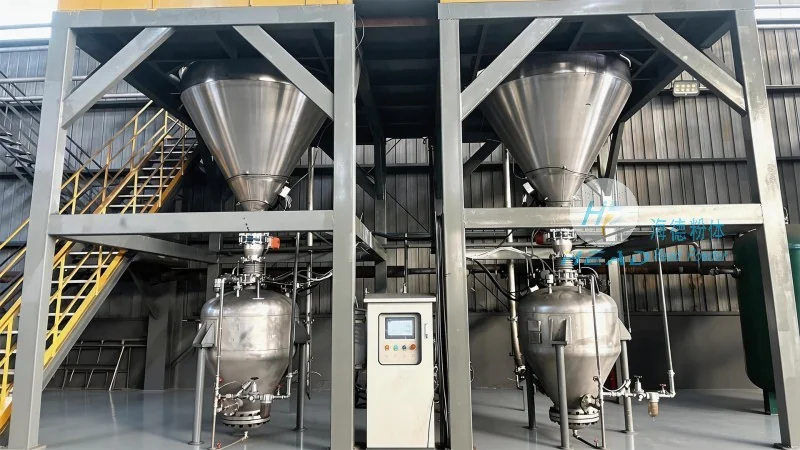
Truck transportation is a widely used method for moving wheat, particularly for short to medium distances. It offers flexibility and can access areas not easily reached by rail or water. Trucks can transport wheat in bulk containers or trailers, ensuring that the grain remains protected from weather and contamination. This method is ideal for delivering wheat to local mills, storage facilities, or distribution hubs. The ability to load and unload quickly makes truck transport efficient for time-sensitive operations. Companies like Shandong HeadPowder Engineering Co., Ltd. may utilize trucking services to support their wheat handling and distribution needs, leveraging the reliability and accessibility of road transport.
2. Railway Transportation: Cost-Effective for Long-Distance Bulk Movement
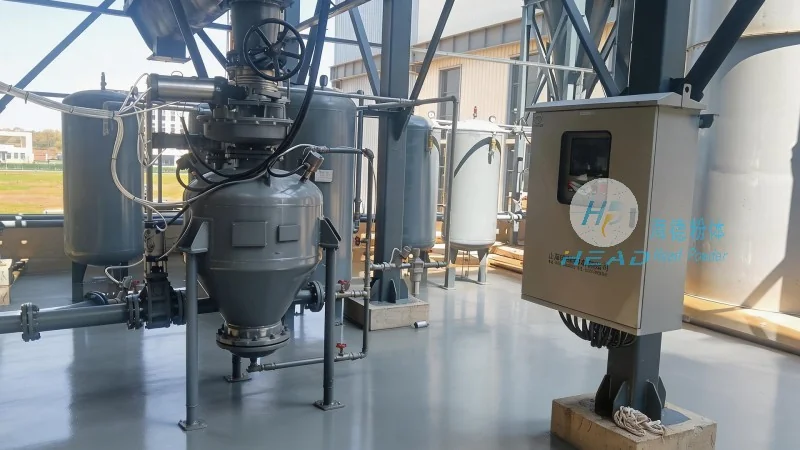
For long-distance bulk movement of wheat, railway transportation is often the most economical choice. Trains can carry large quantities of wheat in specialized freight cars, reducing transportation costs per ton compared to trucks. This method is particularly advantageous for moving wheat from major production regions to processing centers or export terminals. The railway system allows for consistent and scheduled deliveries, which helps in managing inventory and production planning. However, the infrastructure and scheduling requirements mean that railway transport may not be as flexible as trucking. Shandong HeadPowder Engineering Co., Ltd. might collaborate with rail operators to ensure efficient long-distance wheat transport, optimizing logistics for large-scale operations.
3. Waterway Transportation: The Most Economical for Large-Scale Shipping
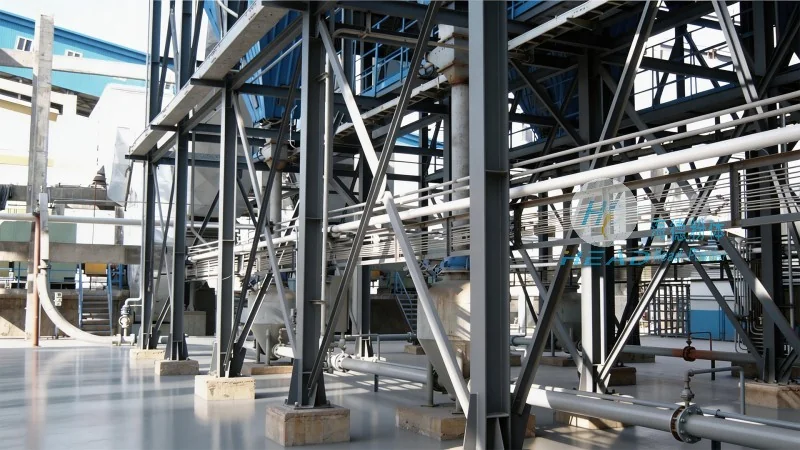
Waterway transportation, including barges and ships, is the most cost-effective method for moving large volumes of wheat over long distances. This method is ideal for exporting wheat from major production countries to international markets. The use of bulk carriers or specialized grain ships allows for the transport of thousands of tons of wheat at once, significantly reducing per-unit costs. Waterway transport is also environmentally friendly, with lower fuel consumption and emissions compared to road or rail. However, it is dependent on weather conditions and port infrastructure, which can affect delivery times. Companies based in regions with access to major waterways, such as those in Shandong, China, may rely on water transport to export wheat efficiently to global markets.
4. Combined Transport: Integrating Multiple Modes for Efficiency
In many cases, a combination of transportation methods, known as intermodal transport, is used to optimize the movement of wheat. This approach involves transferring wheat from one mode to another at strategic points, such as from a truck to a train or from a train to a ship. Combined transport allows for the benefits of each method to be utilized, such as the flexibility of trucks for the final leg of the journey and the cost-effectiveness of rail or water for the main part. This method is particularly useful for long-distance, multi-stage deliveries. Shandong HeadPowder Engineering Co., Ltd. may employ combined transport strategies to ensure that wheat is moved efficiently from the field to the processing plant or to international markets, minimizing costs and maximizing delivery reliability.
5. Specialized Equipment and Handling Techniques
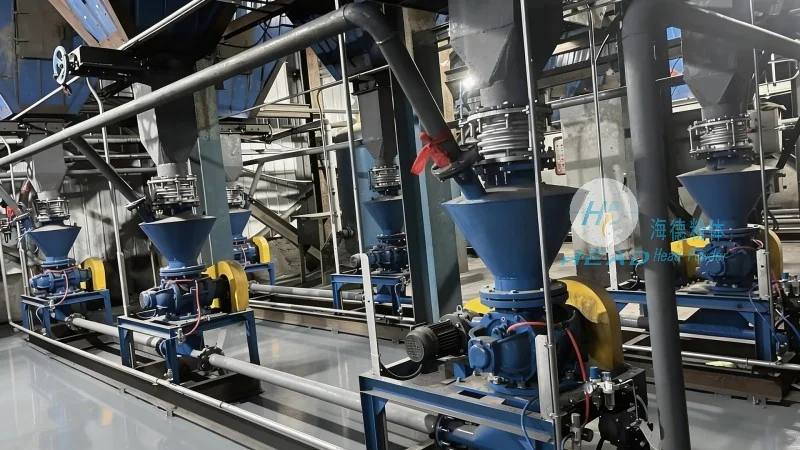
Regardless of the primary transportation method, specialized equipment and handling techniques are crucial for maintaining wheat quality during transit. For truck and rail transport, bulk containers or hopper cars are used to store and transport wheat in a way that minimizes movement and prevents spoilage. For waterway transport, grain bulkers and specialized ships are equipped with systems to prevent moisture buildup and ensure proper ventilation. Companies like Shandong HeadPowder Engineering Co., Ltd. invest in advanced handling equipment to ensure that wheat is transported safely and efficiently, adhering to industry standards and regulations. Proper handling also includes measures to prevent contamination and ensure that the grain remains in good condition until it reaches its destination.




