Resin conveying is a critical process in various industrial applications, particularly in the manufacturing and processing of polymers and composites. The efficiency and reliability of resin transport systems directly impact production quality and operational costs. Understanding the different methods of resin conveying is essential for selecting the most suitable solution for specific industrial needs. This article explores the primary methods used for resin conveying, highlighting their characteristics, advantages, and typical applications, with a focus on solutions provided by Shandong HeadPowder Engineering Co., Ltd., a leading manufacturer of resin handling equipment based in China.
Gravity Conveying Systems
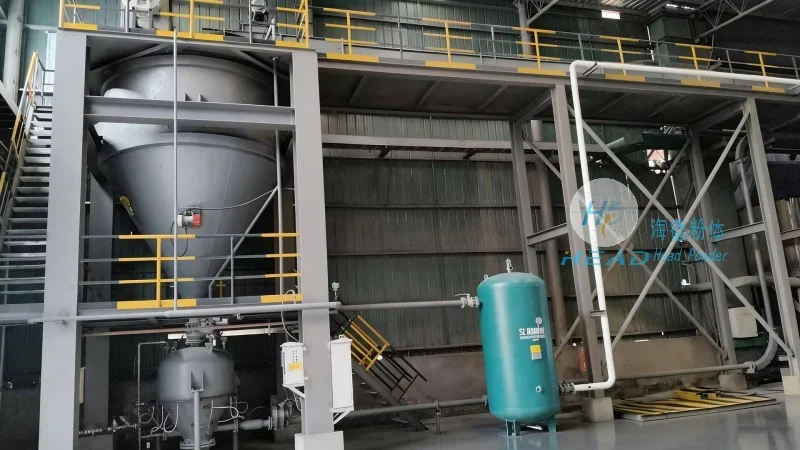
Gravity conveying systems utilize the natural force of gravity to move resin from one location to another. These systems are often employed in applications where the vertical or horizontal distance between the resin source and the processing equipment is relatively short. The resin is typically stored in elevated tanks or hoppers, allowing it to flow down through a series of chutes or pipes under the influence of gravity. This method is simple, low-cost, and requires minimal energy input, making it an attractive option for certain applications. However, gravity conveying is limited by the height and distance constraints, as well as the viscosity and density of the resin. For instance, in the production of fiberglass or epoxy resins, gravity systems are commonly used to transport resin from storage tanks to mixing or molding equipment. The smooth flow of resin in gravity systems is achieved by maintaining a consistent slope and ensuring that the conveying lines are free from obstructions or blockages. Proper design and maintenance of gravity conveying systems are crucial to prevent issues such as resin stagnation or uneven flow, which can affect the quality of the final product.
Pump-Driven Conveying Systems
Pump-driven systems are widely used for resin conveying, especially when the resin needs to be transported over longer distances or to higher elevations. These systems rely on mechanical pumps, such as centrifugal pumps or positive displacement pumps, to generate the necessary pressure and flow rate. Centrifugal pumps are commonly used for low to medium viscosity resins, providing a continuous flow with relatively low maintenance. Positive displacement pumps, including gear pumps and piston pumps, are suitable for higher viscosity resins and can deliver a more consistent flow rate, even under varying load conditions. The choice of pump type depends on factors such as the resin's viscosity, temperature, and the required flow rate. Pump-driven conveying systems are essential in applications like the production of polyurethane resins or epoxy coatings, where precise control over the resin's flow and pressure is critical. These systems often include additional components, such as filters, heat exchangers, and pressure regulators, to ensure the resin is conveyed in optimal condition. Proper maintenance of pump-driven systems is vital to prevent wear and tear, which can lead to increased energy consumption and reduced system efficiency.
Screw Conveyors and Auger Systems
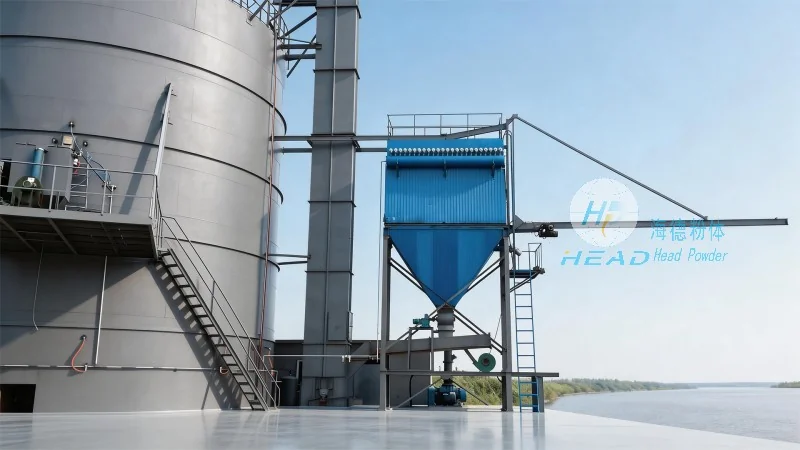
Screw conveyors, also known as auger conveyors, are another common method for resin conveying, particularly for granular or powdered resins. These systems consist of a rotating screw (auger) enclosed in a cylindrical tube, which moves the resin along the length of the conveyor. The screw's rotation creates a positive displacement effect, pushing the resin forward. Screw conveyors are versatile and can handle a wide range of resin types, including thermoplastic resins, epoxy powders, and composite materials. They are often used in applications where the resin needs to be mixed with other materials or transported to a processing unit. The design of screw conveyors can be customized to accommodate different resin viscosities and flow characteristics. For example, in the production of reinforced plastics, screw conveyors are used to transport resin powders to a mixing or extrusion machine. The speed and pitch of the screw can be adjusted to control the flow rate and prevent resin buildup or clogging. Proper lubrication and cleaning of screw conveyors are essential to maintain their performance and extend their service life.
Vacuum Conveying Systems
Vacuum conveying systems use negative pressure to draw resin from a source and transport it to a processing unit. These systems are particularly useful for handling fine powders or resins that are difficult to convey using other methods. The resin is drawn into a vacuum chamber through a suction nozzle, and then transported through a pipeline to the destination. Vacuum conveying is often employed in applications where the resin needs to be transported over long distances or through complex routes, such as in the production of carbon fiber composites or high-performance resins. The system typically includes a vacuum pump, a filter, and a control unit to regulate the suction and flow rate. Vacuum conveying systems are efficient and can handle a wide range of resin types, including those with high moisture content or abrasive properties. However, they require careful design to prevent air leaks and ensure consistent vacuum levels. Proper maintenance of vacuum components, such as filters and pumps, is crucial to maintain the system's performance and prevent contamination of the resin.
Electromagnetic and Pneumatic Conveying
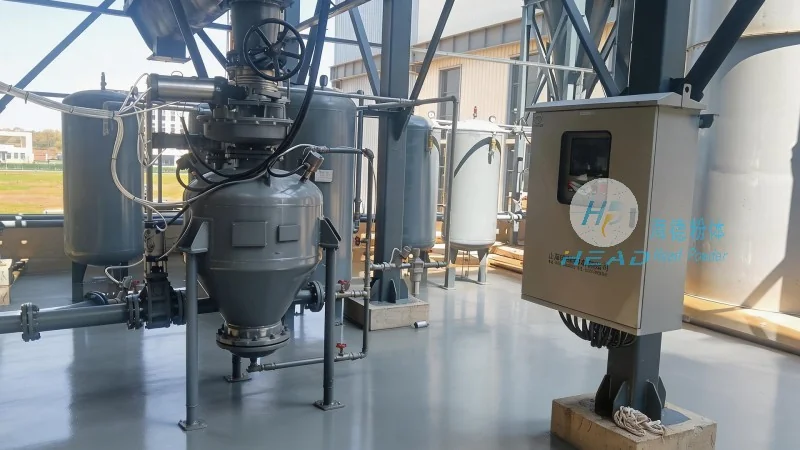
Electromagnetic and pneumatic conveying methods are specialized techniques used for resin transport, particularly in applications where the resin is sensitive to mechanical stress or requires precise control over the flow. Electromagnetic conveying systems use magnetic fields to move resin particles through a conduit, which is particularly useful for handling magnetic or conductive resins. Pneumatic conveying, on the other hand, uses compressed air to transport resin in a fluidized state or as a slurry. These methods are often employed in the production of advanced composites or high-tech resins, where the resin's properties must be preserved during transport. Electromagnetic systems are relatively low-maintenance and can handle high volumes of resin, while pneumatic systems offer flexibility in terms of routing and can be integrated with other processing equipment. However, both methods require specialized equipment and expertise to operate effectively. The choice between electromagnetic and pneumatic conveying depends on factors such as the resin's properties, the required flow rate, and the available infrastructure.
Factors to Consider When Choosing a Resin Conveying Method
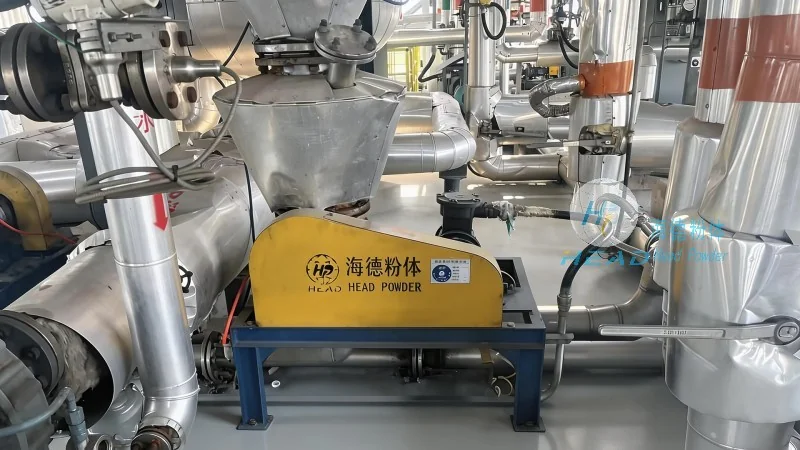
When selecting a resin conveying method, several factors must be considered to ensure optimal performance and cost-effectiveness. The first factor is the resin's physical properties, including its viscosity, density, and particle size. High-viscosity resins may require pump-driven or screw conveyor systems, while low-viscosity resins can be handled by gravity or vacuum systems. The second factor is the distance and elevation changes between the resin source and the processing equipment. Longer distances or higher elevations may necessitate pump-driven or vacuum systems. The third factor is the required flow rate and control precision. Applications that demand precise flow control, such as in molding or coating processes, may benefit from pump-driven or screw conveyor systems. The fourth factor is the available space and budget. Gravity systems are cost-effective for short distances, while pump-driven or screw systems may be more suitable for larger-scale operations. Additionally, the need for maintenance and operational flexibility should be considered. Systems with lower maintenance requirements and greater flexibility are often preferred in industrial settings.
Conclusion
In conclusion, resin conveying methods play a vital role in the efficient and reliable operation of industrial processes. The choice of conveying method depends on various factors, including the resin's properties, the distance and elevation requirements, and the desired flow control. Gravity systems offer simplicity and low cost for short distances, while pump-driven systems provide flexibility for longer distances and higher elevations. Screw conveyors are ideal for granular resins, and vacuum systems are effective for fine powders. Electromagnetic and pneumatic methods are specialized for sensitive resins. By understanding the characteristics and applications of each method, industrial manufacturers can select the most suitable resin conveying solution to meet their specific needs. Proper design, installation, and maintenance of these systems are essential to ensure consistent performance and high-quality resin transport. As industrial demands evolve, the development of advanced resin conveying technologies continues to improve efficiency and reduce operational costs, supporting the growth of various industries that rely on resin processing. Shandong HeadPowder Engineering Co., Ltd. remains committed to providing innovative and reliable resin conveying solutions to meet the diverse needs of its clients in China and beyond.




