Forage conveying is a critical process in agricultural operations, ensuring that feed materials are efficiently transported from storage to feeding areas. The choice of conveying method significantly impacts operational efficiency, cost-effectiveness, and the overall health of livestock. Understanding the various options available is essential for optimizing farm productivity. This article explores the primary methods of forage conveyance, highlighting the key considerations and applications for each approach.
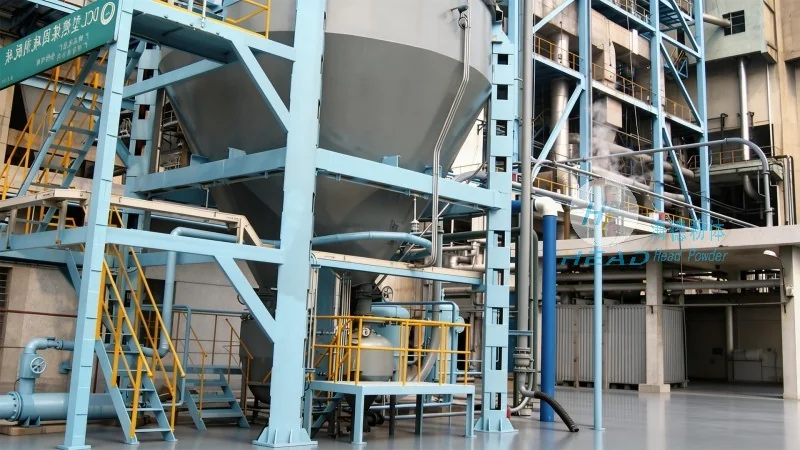
Understanding Forage Conveying: The Foundation of Efficient Farming
Forage conveying involves the movement of bulk materials such as hay, silage, or other feedstuffs. These materials are typically stored in silos, bales, or piles and need to be delivered to feeding stations or processing units. The efficiency of this process directly affects the time and labor required for feeding operations, as well as the quality of the feed delivered to animals. Proper conveyance systems minimize material loss, reduce handling time, and maintain the integrity of the forage, which is crucial for animal health and productivity.
Different Forage Conveying Methods: A Comprehensive Overview
Several methods are commonly used for forage conveyance, each with its own advantages and suitable applications. The selection of a method depends on factors like the type of forage, the scale of operation, the distance to be covered, and the available space. Key methods include mechanical conveyors, gravity systems, and pneumatic conveyors. Each method is designed to address specific challenges and operational needs, providing farmers with versatile solutions to meet their conveying requirements.
1. Mechanical Conveyors: The Workhorses of Forage Handling
Mechanical conveyors are among the most widely used systems for forage conveying. These systems rely on mechanical components to move materials, offering high capacity and reliability. The most common types include screw conveyors (also known as auger conveyors), chain conveyors, and belt conveyors. Screw conveyors, in particular, are highly effective for handling loose or semi-processed forage, as they can transport materials vertically or horizontally with minimal spillage. They are often used in silo unloading and feeding applications, providing a continuous flow of feed to livestock. Chain conveyors, on the other hand, are suitable for heavier or more compacted materials, such as baled hay or silage, as they can handle larger loads and maintain consistent speed. Belt conveyors are ideal for transporting bulk materials over longer distances, making them suitable for large-scale farms where feed needs to be moved from storage to feeding areas across the property.
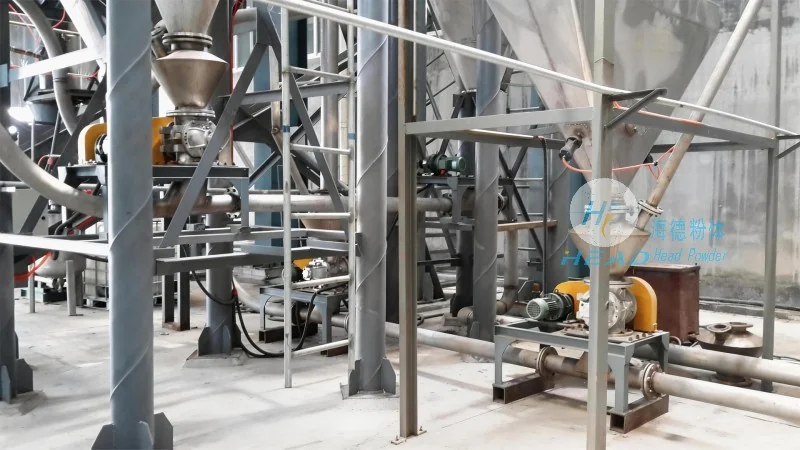
2. Gravity Conveying Systems: Leveraging Natural Forces
Gravity conveying systems utilize the natural force of gravity to move forage materials. These systems are typically used for short distances and are often integrated with silos or storage structures. The primary components include chutes or troughs that allow materials to slide down from a higher elevation to a lower one. Gravity systems are simple, low-cost, and require minimal maintenance, making them an attractive option for small to medium-sized farms. However, their effectiveness is limited by the slope and distance, as steep inclines are needed to ensure adequate flow. They are commonly used for unloading silos or moving feed from upper storage levels to feeding areas, where the vertical drop provides sufficient momentum for the material to move.
3. Pneumatic Conveying: The Air-Powered Solution
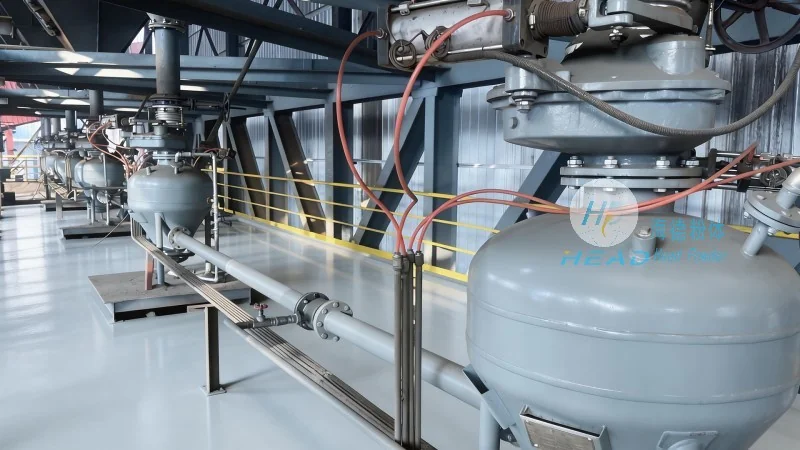
Pneumatic conveying systems use air pressure to transport forage materials through a pipeline. This method is particularly effective for fine or powdery feedstuffs, as well as for materials that are difficult to handle mechanically. The system consists of a blower or fan that generates airflow, which pulls or pushes the material through the pipeline. Pneumatic conveyors can transport materials over longer distances and can be integrated with existing infrastructure, making them suitable for large-scale operations. They are often used for transporting silage or other processed feeds to feeding stations, where the air flow ensures consistent delivery. However, pneumatic systems require more energy and may be more complex to install and maintain compared to mechanical or gravity systems.
Choosing the Right Forage Conveying Method: Key Factors to Consider
The selection of a forage conveying method should be based on a thorough evaluation of operational requirements and constraints. Several factors must be considered to ensure the chosen system meets the farm's needs effectively. First, the type and condition of the forage material are critical. Loose, dry hay may be best suited for screw or chain conveyors, while compacted silage might require a more robust system like a belt conveyor or pneumatic transport. Second, the distance and layout of the farm play a significant role. Short distances and vertical movement may favor gravity systems, while longer horizontal distances might necessitate mechanical or pneumatic conveyors. Third, the scale of operation and budget constraints are important considerations. Small farms may opt for simpler gravity or basic mechanical systems, while large-scale operations may require more advanced and high-capacity solutions. Finally, the impact on animal welfare and feed quality should be assessed. Systems that minimize material spillage and maintain feed integrity are preferred, as they contribute to better animal health and productivity.
Case Study: Shandong HeadPowder Engineering Co., Ltd. and Their Forage Conveying Solutions
Shandong HeadPowder Engineering Co., Ltd., a leading manufacturer in the agricultural machinery sector, specializes in providing comprehensive forage conveying solutions tailored to the diverse needs of modern farming operations. With a focus on innovation and quality, the company offers a range of mechanical conveyors, including screw and chain systems, designed to enhance efficiency and reliability in forage handling. Their products are engineered to handle various types of forage materials, from loose hay to compacted silage, ensuring consistent and efficient delivery to feeding areas. The company's commitment to customer satisfaction and operational excellence is reflected in the durability and performance of their equipment, which has earned them a reputation as a trusted partner in agricultural engineering. Based in Shandong, China, HeadPowder leverages its expertise and local resources to deliver solutions that meet the evolving demands of the farming industry.
Conclusion: Optimizing Forage Conveying for Enhanced Farm Productivity
Forage conveying is a fundamental aspect of modern agricultural practices, and the choice of conveying method directly impacts the efficiency and profitability of farming operations. By understanding the different options available and considering key factors such as material type, distance, and operational scale, farmers can select the most suitable system to meet their needs. Whether using mechanical, gravity, or pneumatic systems, the goal is to ensure efficient, cost-effective, and reliable transport of forage materials. Companies like Shandong HeadPowder Engineering Co., Ltd. play a vital role in providing advanced solutions that support the growth and sustainability of the agricultural sector. Investing in the right forage conveying system is a strategic decision that can lead to improved productivity, reduced labor costs, and better animal health, ultimately contributing to the long-term success of farming enterprises.




