When it comes to the efficient and reliable transportation of calcium carbonate powder, selecting the right method is crucial for maintaining product quality and operational efficiency. As a leading provider in the industry, Shandong HeadPowder Engineering Co., Ltd. understands the diverse needs of clients and offers comprehensive solutions tailored to various applications. This article explores the common methods used for calcium carbonate powder transport, highlighting the advantages and considerations for each approach.
Understanding Calcium Carbonate Powder Transport Requirements
Calcium carbonate powder, widely used in industries such as plastics, paper, and coatings, demands careful handling during transportation due to its fine particle size and potential for dust generation. The choice of transport method depends on factors like the powder's bulk density, moisture content, and the distance it needs to be moved. Proper selection ensures minimal product degradation, reduced downtime, and compliance with safety regulations.
Common Transport Methods for Calcium Carbonate Powder
Several effective methods are employed for calcium carbonate powder transport, each with its own set of benefits and applications. The most common approaches include pneumatic conveying, screw conveyors, belt conveyors, and bucket elevators. Each method is designed to address specific operational challenges and optimize the overall production process.
Pneumatic Conveying Systems
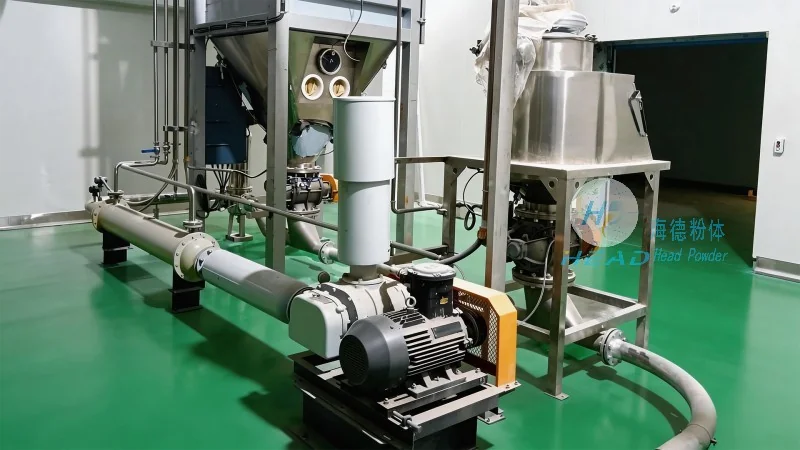
Pneumatic conveying is a popular choice for calcium carbonate powder transport due to its ability to handle fine powders over long distances. This method uses air pressure to move the powder through a pipeline system. There are two main types: pressure and vacuum systems. Pressure systems are ideal for short to medium distances, while vacuum systems are better suited for longer distances or when the powder needs to be collected from multiple sources. Pneumatic conveying offers advantages such as minimal product degradation, low maintenance, and the ability to integrate with existing dust collection systems. However, it requires careful control of air flow and pressure to prevent clogging and ensure consistent performance.
Screw Conveyors
Screw conveyors, also known as auger conveyors, are another effective option for transporting calcium carbonate powder. These systems use a rotating screw to move the material along a trough. Screw conveyors are particularly useful for horizontal or slight incline applications, making them suitable for short to medium distance transport within a facility. They are known for their simplicity, low cost, and ability to handle a wide range of powder types. However, they may not be as efficient for very fine powders or when high capacity is required, as the screw can cause some product degradation due to friction.
Belt Conveyors
Belt conveyors are widely used in bulk material handling, including calcium carbonate powder. These systems consist of a continuous belt that moves over rollers, transporting the powder from one location to another. Belt conveyors are ideal for long-distance transport and can handle large volumes of material. They are suitable for both horizontal and slight incline applications and are known for their durability and low maintenance requirements. However, they require regular cleaning to prevent dust accumulation and may not be as effective for very fine powders that can cause the belt to slip or degrade over time.
Bucket Elevators
Bucket elevators are a vertical transport solution for calcium carbonate powder, commonly used to move material from lower to higher levels in a facility. These systems use a chain or belt with attached buckets that lift the powder vertically. Bucket elevators are efficient for vertical transport and can handle high capacities. They are particularly useful when space is limited and a vertical lift is necessary. However, they require careful maintenance to prevent bucket wear and ensure proper alignment, as any misalignment can lead to material spillage and system failure.
Choosing the Right Transport Method for Your Application
When selecting a transport method for calcium carbonate powder, it is essential to consider several factors. The distance to be covered, the volume of material to be transported, the required speed, and the specific properties of the powder (such as particle size and moisture content) all play a role in the decision-making process. Additionally, the layout of the facility, existing infrastructure, and budget constraints should be taken into account. Consulting with a professional like Shandong HeadPowder Engineering Co., Ltd. can help in evaluating these factors and recommending the most suitable transport solution.
Ensuring Safety and Compliance in Calcium Carbonate Powder Transport
Transporting calcium carbonate powder involves safety considerations to prevent dust explosions and ensure worker protection. Proper ventilation, dust collection systems, and explosion-proof equipment are essential components of any transport system. Compliance with local regulations and industry standards is also critical to avoid legal issues and maintain a safe working environment. Shandong HeadPowder Engineering Co., Ltd. adheres to strict safety protocols and provides equipment that meets international safety standards, ensuring peace of mind for clients.
Conclusion
Efficient and reliable transport of calcium carbonate powder is vital for the success of various industrial applications. By understanding the different transport methods available and selecting the appropriate system based on specific requirements, businesses can optimize their operations and maintain product quality. Shandong HeadPowder Engineering Co., Ltd. offers expert guidance and high-quality transport solutions to help clients achieve their operational goals while ensuring safety and compliance. Whether you need pneumatic conveying, screw conveyors, belt conveyors, or bucket elevators, the team at HeadPowder is committed to providing tailored solutions that meet your unique needs.




