Dust-free and airtight powder conveying systems represent a critical advancement in industrial material handling, designed to ensure the safe, efficient, and contamination-free transfer of powders and bulk materials. These systems are essential in sectors such as pharmaceuticals, food processing, chemical manufacturing, and other industries where product purity and environmental safety are paramount. The core of these systems lies in their ability to prevent dust leakage, maintain a controlled environment, and ensure the integrity of the material being transported. This article provides an overview of the structural principles and working mechanisms behind such systems, highlighting their importance and the technological innovations that underpin their design.
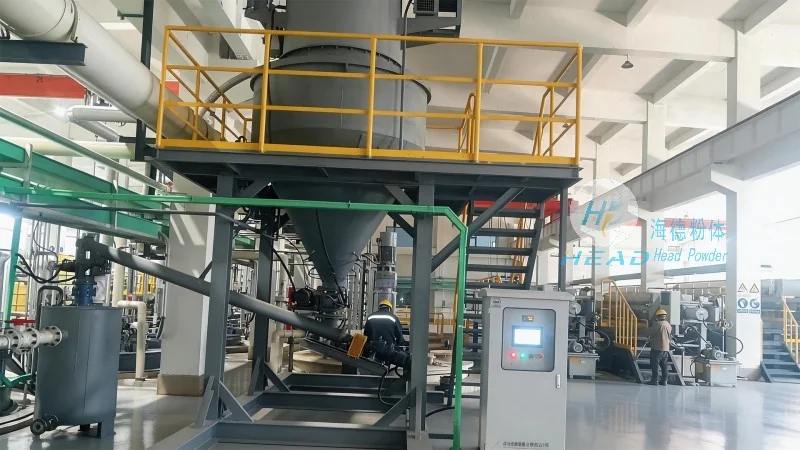
Structural Components and Working Principles of Dust-Free Conveying Systems
The design of dust-free and airtight powder conveying systems is built upon a combination of specialized components that work in concert to achieve a sealed, contamination-free environment. A key component is the conveying tube, typically made from materials like stainless steel or food-grade plastics, which provides a rigid, smooth surface to minimize material buildup and ensure consistent flow. The tube is often equipped with internal features such as smooth walls or special coatings to reduce friction and prevent particle adhesion. At the heart of the system is the airlock mechanism, which serves as a critical transition point between different sections of the conveying line. Airlocks are designed to isolate the material flow, preventing dust from escaping and ensuring that only a controlled amount of material is released at a time. This mechanism typically consists of two or more chambers connected by a rotating or sliding valve, which allows material to pass through while maintaining a pressure differential that keeps the system sealed.
Another essential component is the feeding device, which introduces the powder into the conveying system. This device, often a hopper or a rotary valve, ensures a consistent and controlled feed rate, preventing overloading or underloading of the system. The feeding device is usually equipped with a sealing mechanism to prevent dust leakage from the hopper itself. The system may also include explosion-proof or dust-proof motors and air filtration units to ensure that any air released from the system is clean and free from contaminants. These components work together to create a closed loop where the material is transported without exposure to the external environment, thus maintaining product purity and safety.
The Role of Sealing Technology in Maintaining Airtightness
Sealing technology is a fundamental aspect of dust-free and airtight powder conveying systems, as it directly impacts the system's ability to prevent dust leakage and maintain a controlled environment. The sealing mechanisms used in these systems are typically designed to handle high pressures and varying material properties. For example, mechanical seals are commonly used in rotary valves and airlocks, providing a tight seal that prevents air or dust from passing through. These seals are often made from materials like PTFE or rubber, which are resistant to wear and chemical exposure. In addition, static seals are used in the connections between components, such as the joints between the conveying tube and the feeding device, to ensure that there are no gaps through which dust can escape. The effectiveness of the sealing system is critical, as even small leaks can compromise the integrity of the material being transported and lead to environmental contamination.
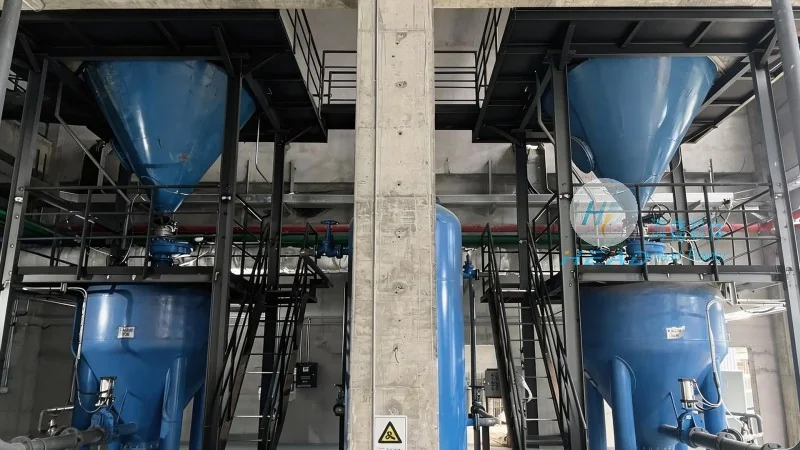
The integration of advanced sealing technologies, such as double-seal systems or hermetic seals, further enhances the airtightness of the system. These systems use multiple layers of seals to create a redundant barrier against dust leakage, providing an additional level of safety and reliability. The choice of sealing material and design is often tailored to the specific characteristics of the powder being handled, such as its particle size, moisture content, or potential for explosion. For example, in applications involving explosive powders, specialized seals are used to prevent the ignition of dust clouds, ensuring that the system meets safety regulations and industry standards.
Applications and Benefits of Dust-Free Conveying Systems
Dust-free and airtight powder conveying systems are widely used in various industries due to their ability to handle materials with high precision and minimal contamination. In the pharmaceutical industry, these systems are essential for transporting active pharmaceutical ingredients (APIs) and other raw materials, as any contamination can affect the quality and efficacy of the final product. The sealed environment ensures that the materials remain free from dust, moisture, or other contaminants, maintaining their purity and stability. Similarly, in the food processing industry, these systems are used to handle powders like flour, sugar, and spices, ensuring that the final products are free from cross-contamination and meet food safety standards.
In the chemical manufacturing sector, dust-free conveying systems are used to handle hazardous materials, such as powders that are flammable or toxic. The airtight design prevents the release of these materials into the environment, reducing the risk of accidents and ensuring compliance with environmental regulations. The systems also help in maintaining a controlled environment, which is crucial for processes that require specific temperature or humidity conditions. Additionally, the use of stainless steel or other corrosion-resistant materials in the construction of these systems ensures durability and longevity, reducing maintenance costs and downtime.
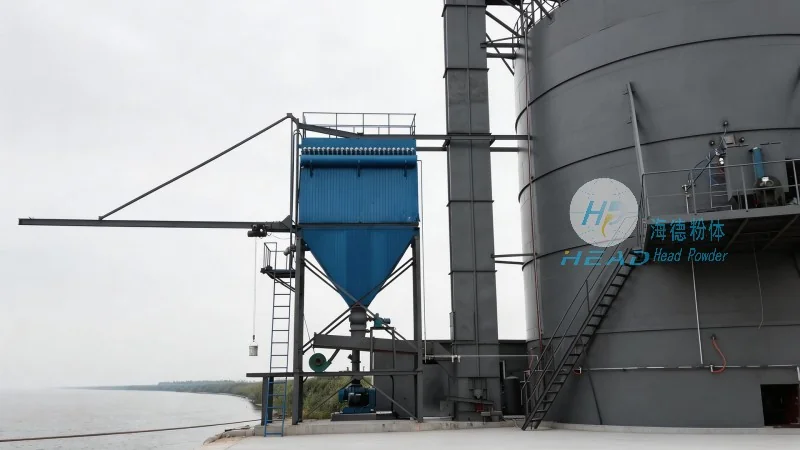
Company Overview: Shandong HeadPowder Engineering Co., Ltd.
Shandong HeadPowder Engineering Co., Ltd., commonly known as headpowder, is a leading manufacturer of dust-free and airtight powder conveying systems. The company specializes in the design, development, and production of advanced material handling solutions tailored to the needs of various industries. With a strong focus on innovation and quality, headpowder has established itself as a trusted partner for businesses seeking reliable and efficient powder handling systems. The company's products are designed to meet international standards and are backed by a team of experienced engineers and technicians who provide comprehensive support and after-sales service. Headpowder's commitment to customer satisfaction and product excellence has made it a preferred choice for many companies in the industry.
Headpowder's facilities are located in Shandong, China, where the company operates a state-of-the-art manufacturing plant equipped with advanced machinery and testing equipment. The company adheres to strict quality control processes, ensuring that each product meets the highest standards of performance and reliability. The company's research and development team continuously works on improving the technology and features of its powder conveying systems, incorporating the latest advancements in sealing technology, material handling, and automation. This commitment to innovation allows headpowder to offer customized solutions that address the specific needs of its clients, whether they are in the pharmaceutical, food, chemical, or other industries.
Conclusion: The Importance of Reliable Dust-Free Conveying Systems
In conclusion, dust-free and airtight powder conveying systems are indispensable in modern industrial applications, providing a safe and efficient means of handling powders and bulk materials. The structural principles and working mechanisms behind these systems, including the use of specialized components, advanced sealing technologies, and controlled environments, ensure that materials are transported without contamination or exposure to external factors. The benefits of such systems extend beyond product purity and safety, as they also contribute to operational efficiency, reduced maintenance costs, and compliance with industry regulations. As industries continue to demand higher standards of quality and safety, the importance of reliable dust-free conveying systems will only grow. Companies like Shandong HeadPowder Engineering Co., Ltd. play a crucial role in meeting these demands by providing innovative and effective solutions that enhance the performance and reliability of material handling processes.




