Shandong HeadPowder Engineering Co., Ltd., commonly known as HeadPowder, specializes in the production and supply of desulfurization and denitrification agents. These agents are crucial for industrial processes aimed at reducing sulfur dioxide (SO₂) and nitrogen oxides (NOₓ) emissions, which are key pollutants in flue gas from power plants and other industrial facilities. The efficient transportation of these agents is essential to ensure their timely delivery to treatment sites and maintain the effectiveness of emission control systems.
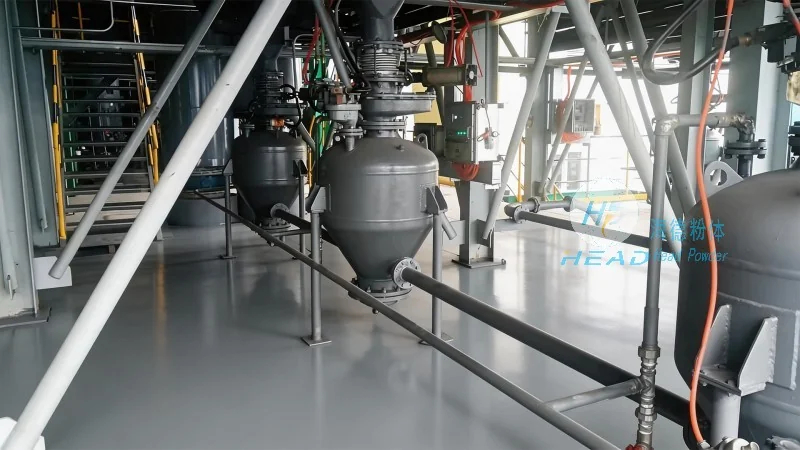
Key Considerations for Agent Transportation
When transporting desulfurization and denitrification agents, several factors must be considered to ensure safety, efficiency, and compliance with environmental regulations. These factors include the chemical properties of the agents, such as their corrosiveness, reactivity, and potential to cause health hazards. Additionally, the mode of transport must be compatible with the agent's physical state—whether it is a liquid, slurry, or solid powder. The choice of transportation method also depends on the distance between the production facility and the treatment site, as well as the scale of the operation (e.g., small-scale pilot plants versus large industrial facilities).
Common Transportation Methods
There are several common methods used to transport desulfurization and denitrification agents, each with its own advantages and limitations. The primary methods include pipeline transportation, pump-based systems, and bulk transport via tank trucks. Each method is suitable for different scenarios based on the agent's characteristics and the operational requirements of the facility.
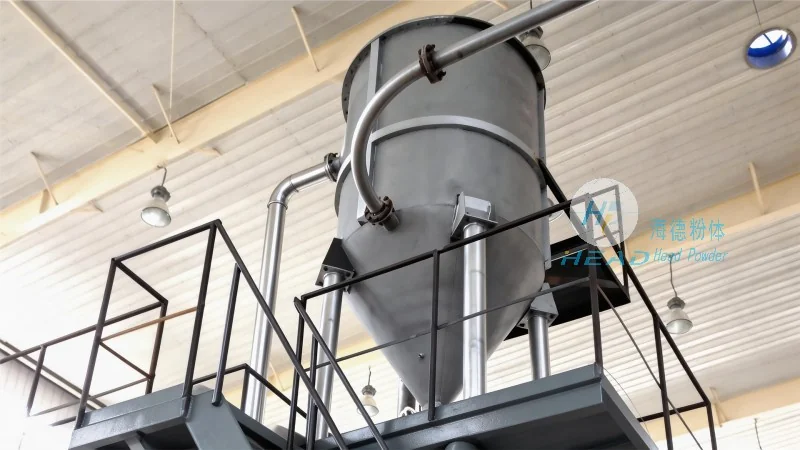
Pipeline Transportation
Pipeline transportation is a widely used method for moving liquid or slurry-based desulfurization and denitrification agents over long distances. This method involves pumping the agent through a network of pipes from the production plant to the treatment site. Pipelines are often made of corrosion-resistant materials, such as stainless steel or special alloys, to withstand the chemical properties of the agents. The system typically includes pumps, valves, and monitoring equipment to control flow rates and pressure, ensuring consistent delivery. For example, in power plants, pipelines are used to transport lime slurry (a common desulfurization agent) from storage tanks to the flue gas desulfurization (FGD) system. This method offers high efficiency, as it eliminates the need for intermediate storage and reduces the risk of spills compared to bulk transport.
Pump-Based Systems
Pump-based systems are another common approach, particularly for transporting agents that are more viscous or have higher solid content. These systems use positive displacement or centrifugal pumps to move the agent through pipelines or hoses. The choice of pump depends on the agent's viscosity, temperature, and pressure requirements. For instance, diaphragm pumps or gear pumps may be used for slurry-based agents, while centrifugal pumps are suitable for more fluid agents. Pump-based systems allow for precise control over flow rates, which is critical for maintaining the proper concentration of the agent in the treatment process. Additionally, these systems can be integrated with automated control systems to adjust the flow based on real-time conditions, such as changes in flue gas flow or pH levels.
Bulk Transport via Tank Trucks
Bulk transport via tank trucks is often used for short-distance or on-site deliveries, especially when the production facility is located near the treatment site. Tank trucks are specialized vehicles equipped with insulated tanks and pumping systems to safely transport liquid or slurry agents. The tanks are typically lined with materials that resist corrosion from the agent, such as epoxy or rubber. The trucks are also equipped with safety features, including pressure relief valves and emergency shut-off systems, to prevent accidents during transport. This method is flexible and can be used to deliver agents to multiple sites or for emergency replenishment. However, it is generally less efficient for long-distance transport due to higher operational costs and potential for spills compared to pipeline systems.
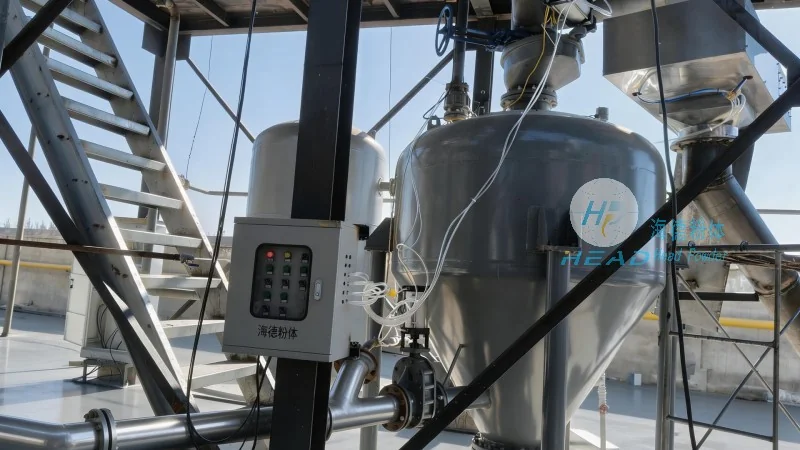
Equipment and Safety Measures
Regardless of the transportation method used, proper equipment and safety measures are essential to ensure the safe handling and delivery of desulfurization and denitrification agents. This includes using compatible containers and pipelines, regular maintenance of pumps and valves, and adherence to safety protocols. For example, when using tank trucks, drivers must be trained in handling hazardous materials and follow strict loading and unloading procedures. Pipelines must be inspected regularly for leaks or corrosion, and pressure monitoring systems must be in place to detect any abnormalities. Additionally, the use of personal protective equipment (PPE) by personnel involved in the transportation process is mandatory to protect against exposure to the agent's chemicals.
Conclusion
Efficient transportation of desulfurization and denitrification agents is a critical component of industrial emission control systems. Shandong HeadPowder Engineering Co., Ltd. provides high-quality agents and supports various transportation methods to meet the needs of its clients. By considering the agent's properties, operational requirements, and safety regulations, facilities can choose the most appropriate transportation method to ensure reliable and safe delivery. This, in turn, helps maintain the effectiveness of emission reduction processes and contributes to environmental protection.




