When it comes to the transportation of polyvinylidene fluoride (PVDF), a material renowned for its exceptional chemical resistance and thermal stability, selecting the right method is crucial for maintaining product integrity and ensuring safe handling. As a leading provider in the field, Shandong HeadPowder Engineering Co., Ltd., commonly known as HeadPowder, offers expert insights into the various transportation options available for PVDF materials. This article explores the key methods used for PVDF transport, highlighting the considerations that influence the choice of each approach.
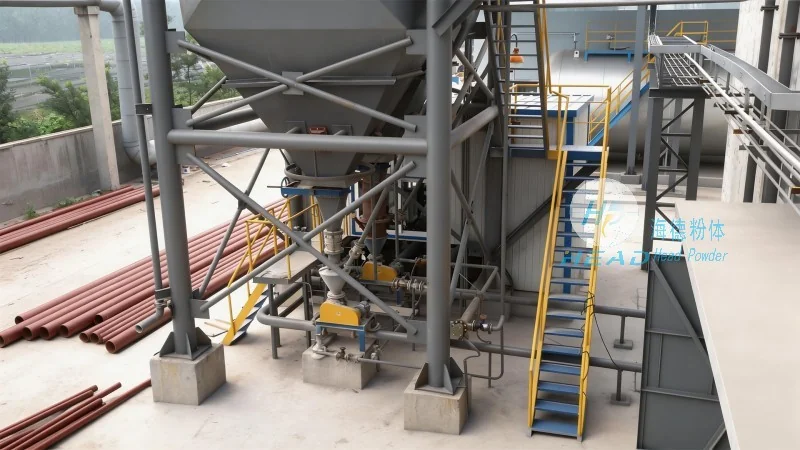
Understanding PVDF and Its Transportation Requirements
Polyvinylidene fluoride, often abbreviated as PVDF, is a fluoropolymer widely used in industrial applications due to its resistance to chemicals, solvents, and high temperatures. Its properties make it ideal for use in chemical processing, semiconductor manufacturing, and other demanding environments. However, because of its sensitivity to certain conditions and the need to preserve its quality, the transportation of PVDF requires careful planning and specialized equipment. The primary goal of any transportation method is to prevent contamination, maintain temperature control, and ensure the material remains in its optimal state until it reaches its destination.
Common Transportation Methods for PVDF
Several methods are commonly employed for transporting polyvinylidene fluoride, each suited to different scenarios and material quantities. The choice of method depends on factors such as the volume of PVDF being transported, the distance, and the specific requirements of the end-user. Here are the primary approaches used by industry professionals:
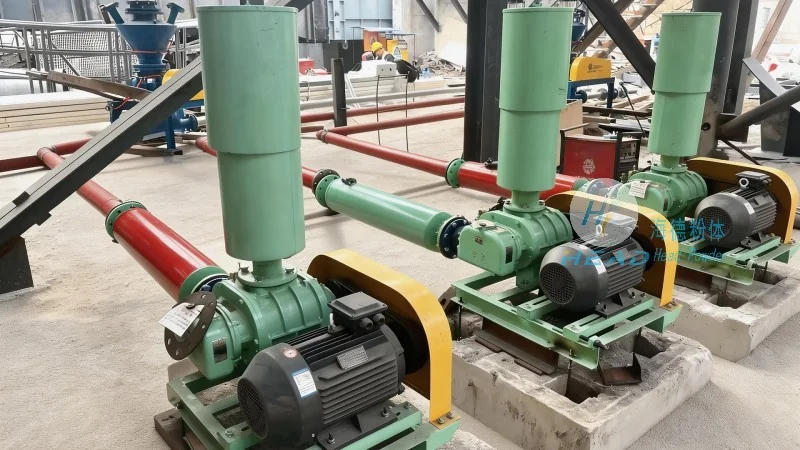
1. Bulk Transportation via Tank Trucks
For large-scale transportation of PVDF, bulk tank trucks are a popular choice. These specialized vehicles are designed to carry high volumes of liquid or powder PVDF while maintaining the necessary environmental controls. The tank trucks used for PVDF transport are typically made from materials compatible with the polymer, such as stainless steel or specialized fluoropolymer composites, to prevent any interaction between the material and the container. During transport, temperature control systems are employed to keep the PVDF within its optimal temperature range, preventing degradation or changes in its physical properties. This method is particularly effective for industrial clients who require substantial quantities of PVDF for large-scale production or processing.
2. Containerized Shipping for Solid PVDF
When transporting solid PVDF in powder or granule form, containerized shipping is often the preferred method. Shandong HeadPowder Engineering Co., Ltd. utilizes high-quality containers, such as ISO containers or specialized bulk containers, to ensure the material is protected from external elements and contamination. These containers are equipped with ventilation systems and temperature control mechanisms to maintain the integrity of the PVDF during transit. The use of sealed containers also helps to prevent dust exposure and environmental contamination, which is critical for maintaining the purity of the material. This method is suitable for both domestic and international shipping, allowing for efficient distribution of PVDF to various markets.
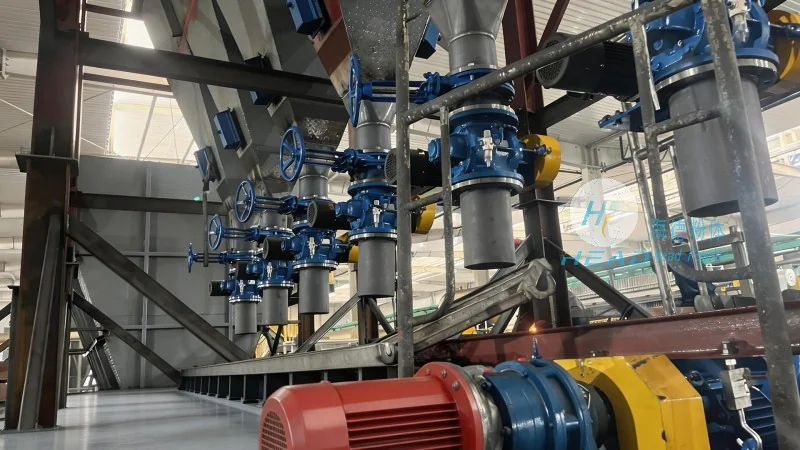
3. Specialized Piping and Pumping Systems
In some cases, especially for on-site or plant-to-plant transfers, specialized piping and pumping systems are employed. These systems are designed to handle the unique properties of PVDF, including its viscosity and resistance to chemicals. The piping is typically made from materials like PTFE (polytetrafluoroethylene) or other fluoropolymers to ensure compatibility and prevent any degradation of the PVDF. Pumping systems used for this purpose are often equipped with non-metallic components to avoid contamination and ensure smooth flow. This method is particularly useful for large industrial facilities that require continuous or frequent transfer of PVDF between processing units.
4. Small-Scale Packaging and Delivery
For smaller quantities of PVDF, such as for laboratory or research applications, small-scale packaging and delivery methods are utilized. Shandong HeadPowder Engineering Co., Ltd. offers various packaging options, including sealed bags, drums, or containers, depending on the specific needs of the client. These packages are designed to maintain the purity and quality of the PVDF during transportation. The use of protective packaging, such as double-walled containers or desiccant packs, helps to prevent moisture absorption and contamination. This method ensures that even small batches of PVDF are delivered safely and in optimal condition, meeting the requirements of various scientific and industrial applications.
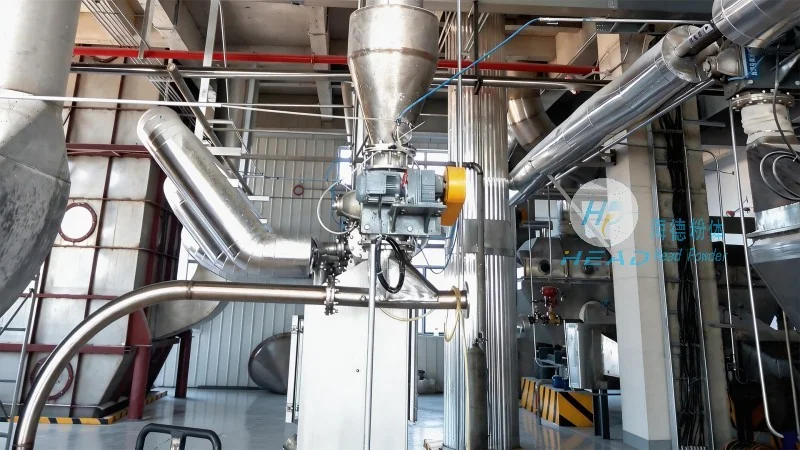
Key Considerations for PVDF Transportation
Regardless of the transportation method chosen, several key considerations must be addressed to ensure the successful and safe delivery of polyvinylidene fluoride. First, temperature control is paramount, as PVDF can degrade or change its properties if exposed to extreme temperatures. Proper insulation and temperature monitoring systems are essential to maintain the material within its recommended range. Second, contamination prevention is critical, as PVDF is highly sensitive to impurities. All equipment and containers used in the transportation process must be thoroughly cleaned and tested for compatibility with PVDF. Third, proper handling and storage procedures must be followed during loading and unloading to prevent damage to the material. Finally, compliance with relevant regulations and standards is necessary to ensure that the transportation process meets industry and safety requirements.
Conclusion
Transporting polyvinylidene fluoride (PVDF) requires careful planning and the use of specialized methods to maintain the material's quality and integrity. Shandong HeadPowder Engineering Co., Ltd. specializes in providing comprehensive transportation solutions for PVDF, ensuring that clients receive their products in optimal condition. By understanding the various transportation options and adhering to best practices, businesses can effectively manage the logistics of PVDF delivery while maximizing product performance and longevity. Whether through bulk tank trucks, containerized shipping, or specialized on-site systems, the goal remains consistent: to deliver PVDF safely and efficiently to its intended destination.




