When it comes to the efficient handling and transportation of rapeseed, various methods are employed in industrial settings. These methods are designed to ensure the safe, reliable, and cost-effective movement of the crop from one stage of processing to another. Understanding the common approaches to rapeseed conveying is crucial for optimizing operations in agricultural and food processing industries. The following discussion is provided by Shandong HeadPowder Engineering Co., Ltd., a leading manufacturer of conveying equipment based in China.
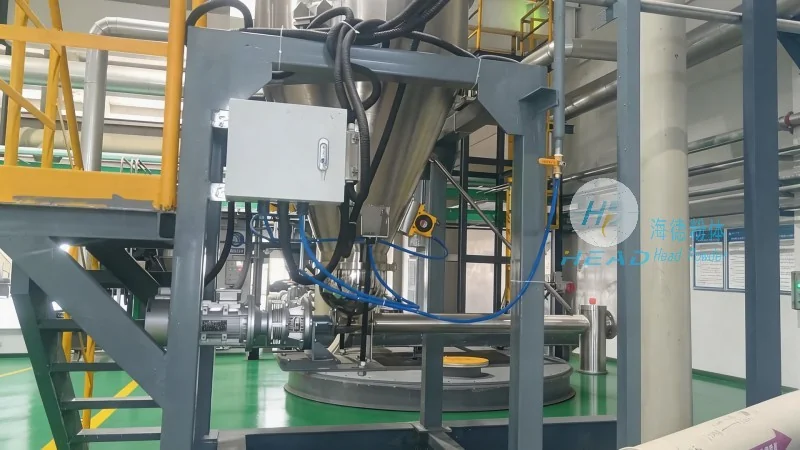
Overview of Rapeseed Conveying Methods
Rapeseed, also known as canola seed, is a key raw material in the production of oil and other byproducts. The process of conveying this seed from fields to processing facilities involves several techniques, each with its own advantages and applications. The primary methods used for rapeseed conveying include mechanical systems, pneumatic systems, and gravity-based solutions. Each method is tailored to specific operational requirements, such as the volume of seed to be moved, the distance over which it needs to travel, and the overall environment of the processing plant.
Mechanical Conveying Systems
One of the most traditional and widely used methods for rapeseed conveying is through mechanical systems. These systems rely on mechanical components to transport the seed. Common types of mechanical conveyors include belt conveyors, screw conveyors, and bucket elevators. Belt conveyors are particularly effective for moving large quantities of rapeseed over short to medium distances. They consist of a continuous belt that moves over rollers, with the seed placed on the belt and carried to the desired location. Screw conveyors, also known as augers, use a rotating screw to push the seed forward. This method is ideal for vertical or inclined transport, as the screw can lift and move the seed upward or along a slope. Bucket elevators are another mechanical option, where buckets attached to a chain or belt lift the seed from a lower to a higher level. These systems are robust and can handle high volumes of rapeseed, making them suitable for large-scale processing operations.
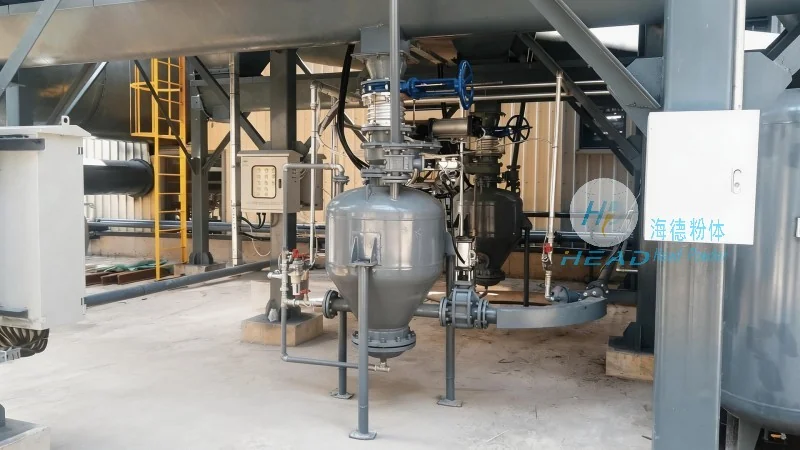
Pneumatic Conveying Systems
Pneumatic conveying systems utilize air or gas to transport rapeseed. This method is often referred to as air conveying or pneumatic transport. It involves creating a flow of air through a pipeline, which carries the seed particles along with it. There are two main types of pneumatic conveying: dilute-phase and dense-phase. Dilute-phase systems use low air velocity and high air-to-material ratios, making them suitable for short to medium distances and low to moderate material loads. Dense-phase systems, on the other hand, use higher air velocity and lower air-to-material ratios, allowing for longer distances and higher material loads. Pneumatic systems are advantageous because they can transport rapeseed without direct contact, reducing the risk of contamination and wear on the seed. They are also flexible, as the pipeline can be arranged in various configurations to suit the layout of the processing facility. However, they require careful maintenance to ensure consistent air pressure and flow, and they may not be as efficient for very large volumes compared to mechanical systems.
Gravity-Based Conveying Solutions
Gravity-based conveying methods rely on the natural force of gravity to move rapeseed. These systems are typically used for short distances and when the processing facility is built on different levels. Chutes and hoppers are common components in gravity-based systems. Chutes are sloped channels that allow the seed to slide down due to gravity, while hoppers are containers that hold the seed and allow it to flow out into the next stage of processing. This method is simple and low-cost, as it does not require any moving parts or external power sources. However, it is limited by the need for a suitable slope and the distance over which the seed can be moved. Gravity-based conveying is ideal for situations where the processing plant has a natural elevation change, such as a hill or a multi-level building. It is particularly effective for moving smaller quantities of rapeseed or for transferring seed from storage bins to processing equipment.
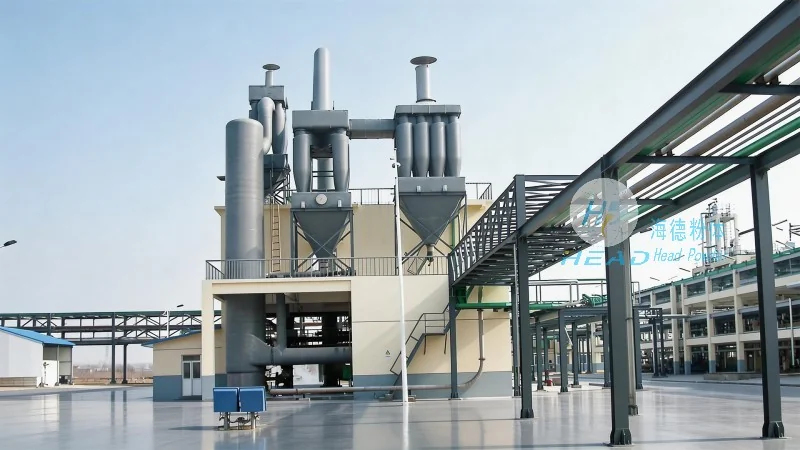
Factors to Consider When Choosing a Conveying Method
The choice of rapeseed conveying method depends on several factors, including the volume of seed to be moved, the distance over which it needs to travel, the physical properties of the seed (such as size, shape, and moisture content), and the overall layout of the processing facility. Mechanical systems are generally preferred for high-volume, short-distance transport due to their efficiency and reliability. Pneumatic systems are better suited for longer distances or when the seed needs to be transported without contamination. Gravity-based systems are ideal for low-volume, short-distance applications where the facility has a natural slope. Additionally, the cost of installation, maintenance, and operation should be considered when selecting a conveying method. Mechanical systems may have higher initial costs but lower operational costs, while pneumatic systems may have lower initial costs but higher maintenance expenses. The choice of method should also take into account the specific requirements of the processing plant, such as the need for cleaning or the presence of dust or other hazards.
Conclusion
In conclusion, the common methods for rapeseed conveying include mechanical, pneumatic, and gravity-based systems. Each method has its own advantages and is suitable for different operational conditions. The selection of the appropriate conveying method is critical for ensuring the efficient and reliable handling of rapeseed in industrial settings. By understanding the characteristics and applications of each method, processing facilities can optimize their operations and improve overall productivity. As the demand for rapeseed and its products continues to grow, the importance of efficient conveying systems will only increase, making it essential for companies to invest in the right equipment and technology.




