When it comes to efficiently handling and transporting corn starch, selecting the right conveying method is crucial for maintaining product quality and operational efficiency. As a leading provider in the industry, Shandong HeadPowder Engineering Co., Ltd. specializes in offering advanced solutions tailored to the unique needs of corn starch processing facilities. This article explores the common methods used for corn starch conveying, highlighting the advantages and considerations of each approach.
Understanding Corn Starch Properties and Conveying Challenges
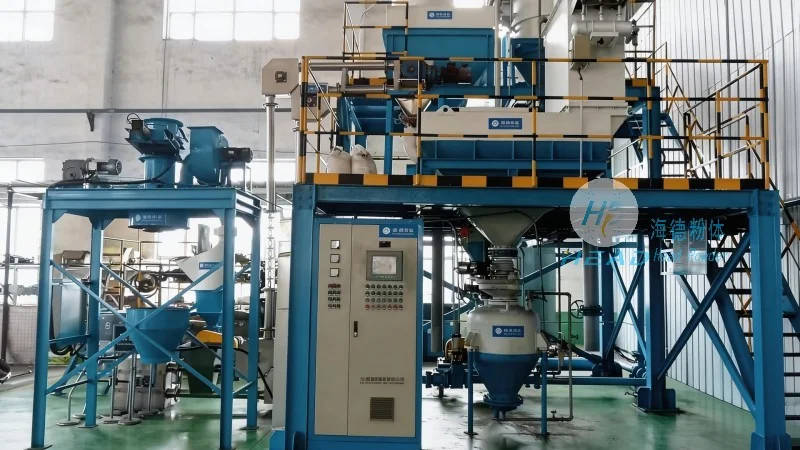
Before delving into specific conveying methods, it's essential to understand the characteristics of corn starch that influence transportation. Corn starch is a fine, powdery material with a relatively low bulk density and a tendency to form clumps or create dust during handling. These properties can impact the choice of conveying system, as certain methods may be more suitable for handling fine powders compared to others. Additionally, factors such as the scale of production, the distance the material needs to be moved, and the need for dust control play a significant role in determining the most effective conveying solution.
Common Conveying Methods for Corn Starch
There are several common methods employed in the corn starch industry for material handling. Each method has its own set of advantages and is best suited for specific operational requirements. The primary methods include mechanical conveyors, pneumatic conveying systems, and bucket elevators. Let's explore each of these in detail.
Mechanical Conveyors: Traditional and Reliable Solutions
Mechanical conveyors, such as belt conveyors and screw conveyors, are widely used for corn starch transportation. Belt conveyors utilize a continuous belt to move material from one point to another, making them ideal for short to medium distances and horizontal or slightly inclined transport. They are known for their simplicity, low maintenance, and ability to handle large volumes of material. However, belt conveyors may not be as effective for fine powders, as they can cause dust generation and material degradation if not properly sealed. Screw conveyors, on the other hand, use a rotating screw to push material forward, which is particularly effective for vertical or inclined transport. They are compact and can handle a wide range of materials, including corn starch, but may experience wear and tear over time due to the abrasive nature of the powder.
Pneumatic Conveying Systems: Efficient and Flexible Solutions
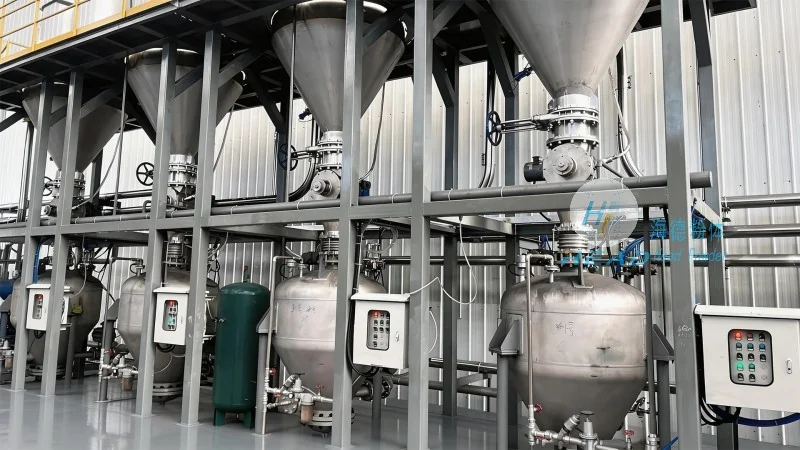
Pneumatic conveying systems use air or other gases to transport corn starch through a pipeline. This method is highly effective for fine powders and offers several advantages, including the ability to handle long distances, minimize dust exposure, and maintain product integrity. There are two main types of pneumatic conveying: pressure and vacuum systems. Pressure systems use compressed air to push material through the pipeline, while vacuum systems use a vacuum to pull material. Pressure systems are generally more efficient for long-distance transport and can handle higher material loads, whereas vacuum systems are better suited for shorter distances and when the material needs to be conveyed from a lower to a higher elevation. Pneumatic conveying is particularly beneficial for corn starch processing facilities that require dust-free environments and precise control over material flow.
Bucket Elevators: Vertical Transport Solutions
Bucket elevators are specialized equipment designed for vertical or steeply inclined transport of bulk materials, including corn starch. They consist of a continuous belt or chain with attached buckets that move vertically, lifting material from a lower to a higher level. Bucket elevators are highly efficient for vertical transport and can handle large volumes of material with minimal space requirements. They are particularly useful in corn starch processing plants where the material needs to be elevated to different levels for processing or storage. However, bucket elevators require regular maintenance to ensure smooth operation and may not be suitable for very fine powders that could cause blockages or wear on the buckets.
Choosing the Right Conveying Method for Your Corn Starch Operation
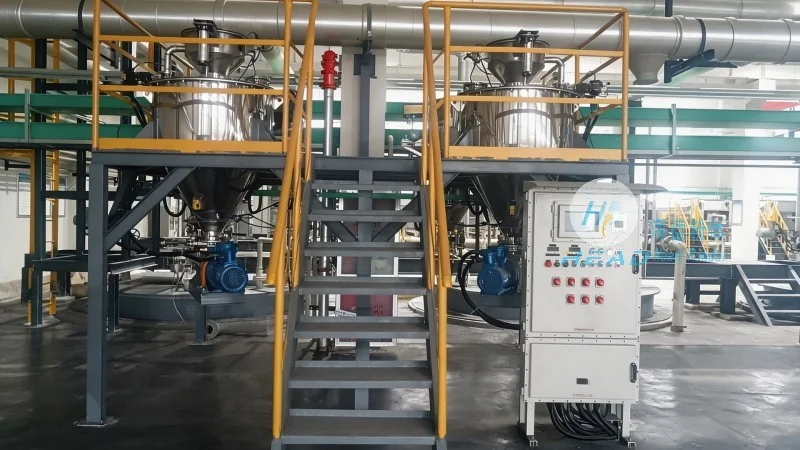
When selecting a conveying method for corn starch, it's essential to consider several factors to ensure optimal performance and cost-effectiveness. The first consideration is the distance and elevation change required for material transport. For short horizontal distances, mechanical conveyors may be sufficient, while pneumatic systems are better for longer distances or when dust control is a priority. For vertical transport, bucket elevators are the most efficient option. Another critical factor is the need for dust control and product purity. Pneumatic conveying systems excel in this regard, as they can transport material in a sealed environment, minimizing dust exposure and maintaining product quality. Additionally, the scale of production and the volume of material to be handled should be taken into account. Larger facilities may require more robust systems, such as multiple pneumatic lines or larger belt conveyors, to meet their throughput requirements.
Conclusion
Efficient corn starch conveying is a critical aspect of any processing facility, as it directly impacts productivity, product quality, and operational costs. By understanding the properties of corn starch and the advantages of different conveying methods, facilities can choose the most suitable solution for their specific needs. Shandong HeadPowder Engineering Co., Ltd. offers a range of advanced conveying systems tailored to the requirements of corn starch processing, ensuring reliable and efficient material handling. Whether you need a mechanical conveyor, a pneumatic system, or a bucket elevator, our solutions are designed to meet the highest standards of performance and durability. Contact us today to learn more about how we can help optimize your corn starch conveying operations.




