Carbon black powder, a critical material in various industrial applications, requires efficient and reliable conveying methods to ensure smooth production processes. The choice of conveying method depends on factors such as material properties, production scale, and operational environment. This article explores several common methods used for carbon black powder conveying, highlighting their advantages, limitations, and typical applications.
1. Gravity Conveying Systems
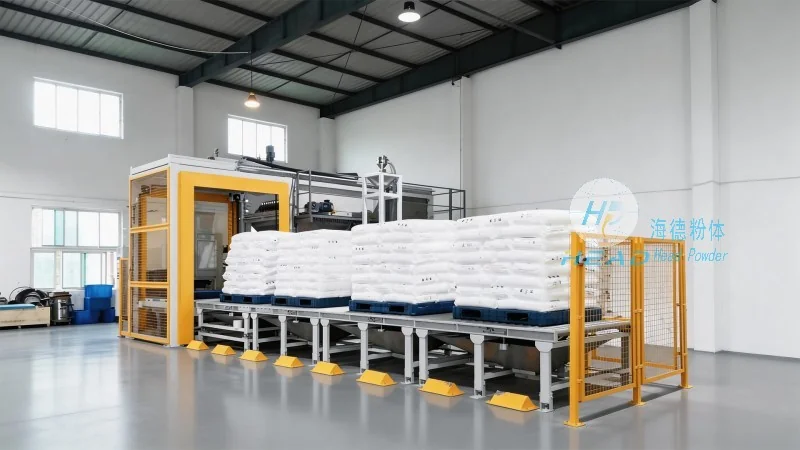
Gravity conveying systems utilize the natural force of gravity to move carbon black powder from one location to another. These systems typically consist of inclined chutes or hoppers that allow the material to flow downward under the influence of gravity. The design of gravity conveyors is straightforward, often involving minimal mechanical components, which can reduce maintenance costs and energy consumption. However, gravity conveying is generally suitable for short distances and relatively low material flow rates. The efficiency of this method is highly dependent on the angle of the chute and the particle size distribution of the carbon black. For instance, fine carbon black particles may experience increased friction and resistance, potentially leading to uneven flow or blockages. In industrial settings, gravity conveyors are commonly used in applications where the material is moved from a storage silo to a processing unit or between adjacent processing stages. The simplicity of gravity conveying makes it an attractive option for facilities with limited space or where mechanical equipment is not feasible due to budget constraints. Nonetheless, the system's effectiveness is limited by the need for a suitable topography and the ability to maintain consistent material flow without interruptions.
2. Pneumatic Conveying Systems
Pneumatic conveying systems are widely used for carbon black powder due to their ability to handle a wide range of particle sizes and flow rates. These systems operate by transporting the material through a pipeline using air or other gases as the conveying medium. There are two main types of pneumatic conveying: pressure and vacuum systems. Pressure systems use compressed air to push the material forward, while vacuum systems use suction to draw the material into the pipeline. The choice between these systems depends on the distance to be covered and the required material flow rate. Pneumatic conveying offers several advantages, including the ability to transport materials over long distances, handle abrasive materials without significant wear on equipment, and integrate with existing processing lines. However, these systems require a continuous supply of compressed air, which adds to operational costs. Additionally, the design of the system must account for the potential for material degradation or segregation during transport, especially for fine carbon black powders that are prone to agglomeration. Proper air velocity and pipeline design are crucial to prevent blockages and ensure consistent material flow. In industrial applications, pneumatic conveying is often employed in large-scale production facilities where high throughput and flexibility are required. For example, in the rubber and plastics industries, pneumatic systems are used to transport carbon black from storage silos to mixing equipment, ensuring a uniform blend of the additive with the base polymer.
3. Screw Conveyors
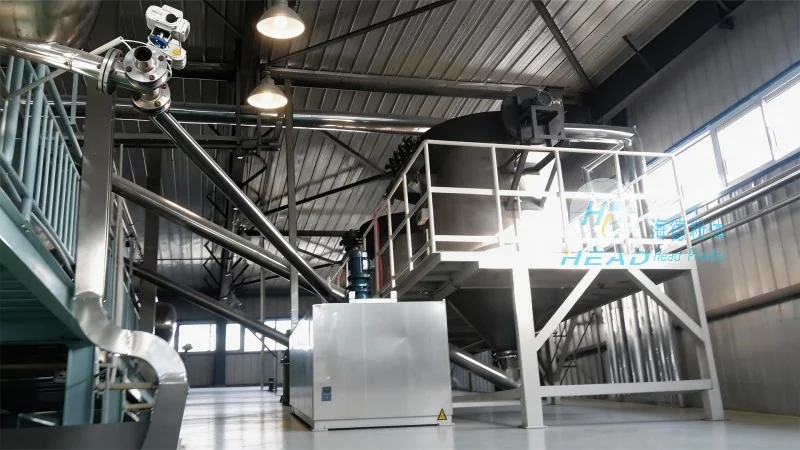
Screw conveyors, also known as auger conveyors, are another common method for carbon black powder conveying. These systems consist of a rotating screw (auger) enclosed in a cylindrical tube, which moves the material forward as the screw rotates. Screw conveyors are versatile and can handle a variety of materials, including carbon black, with different particle sizes and moisture contents. They are particularly effective for vertical or inclined transport, allowing the material to be lifted or moved at an angle. The design of screw conveyors can be customized to accommodate specific material characteristics, such as the use of a flexible screw for handling sticky or abrasive materials. One of the key advantages of screw conveyors is their ability to provide a continuous and controlled flow of material, which is essential for maintaining consistent production rates. However, these systems may experience wear and tear on the screw and tube, especially when handling abrasive carbon black particles. Regular maintenance, such as lubrication and inspection for wear, is necessary to ensure the longevity of the equipment. Screw conveyors are widely used in industrial settings where the material needs to be moved over moderate distances or at a controlled rate. For instance, in the production of carbon black-based products, screw conveyors are used to transport the powder from a storage bin to a mixing or processing unit, ensuring a steady supply of material for the production line.
4. Belt Conveyors
Belt conveyors are a popular choice for carbon black powder conveying due to their high capacity and ability to transport materials over long distances. These systems consist of a continuous belt that moves over rollers or pulleys, carrying the carbon black powder from one point to another. Belt conveyors are particularly effective for horizontal or slightly inclined transport, making them suitable for large-scale industrial applications. The design of belt conveyors can be customized to handle different material loads and flow rates, with options for variable speed drives to control the material flow. One of the main advantages of belt conveyors is their ability to handle high volumes of material with minimal maintenance. However, these systems require regular inspection and maintenance to prevent belt wear, slippage, or material buildup on the belt surface. The use of appropriate belt materials, such as rubber or polyurethane, is crucial to ensure the conveyor can withstand the abrasive nature of carbon black particles. Belt conveyors are commonly used in industrial facilities where the material needs to be transported over long distances or at high throughput rates. For example, in the manufacturing of carbon black products, belt conveyors are used to move the powder from a storage silo to a processing plant, ensuring a continuous supply of material for production. The system's ability to handle large volumes and maintain consistent flow makes it an ideal choice for high-demand applications.
5. Bucket Elevators
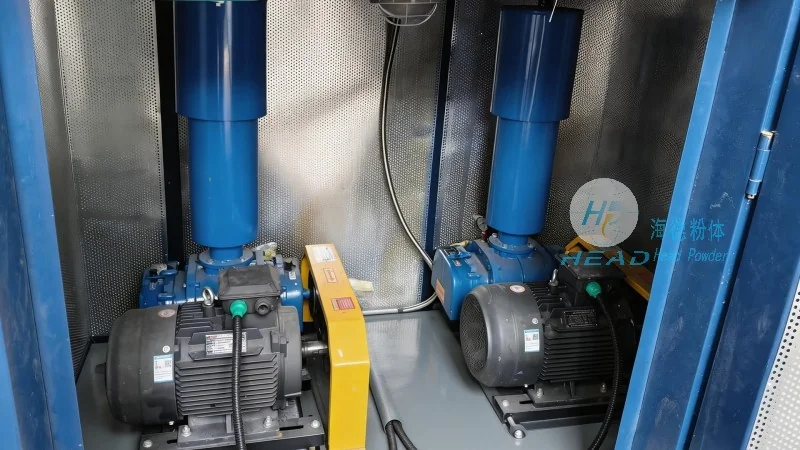
Bucket elevators are specialized conveying systems designed for vertical or steeply inclined transport of carbon black powder. These systems consist of a continuous chain with attached buckets that move up and down inside a vertical or inclined casing. The buckets scoop up the material at the bottom and discharge it at the top, allowing the material to be lifted to a higher elevation. Bucket elevators are highly efficient for vertical transport and can handle a wide range of material characteristics, including fine carbon black powders. One of the key advantages of bucket elevators is their ability to transport materials vertically over significant heights with minimal space requirements. However, these systems require careful design to prevent material spillage or blockages, especially when handling abrasive or sticky materials. The design of the bucket and chain must be optimized to ensure smooth material flow and prevent wear on the equipment. Bucket elevators are commonly used in industrial settings where vertical transport is necessary, such as in the production of carbon black-based products where the material needs to be lifted from a lower storage level to a processing unit at a higher elevation. The system's ability to handle vertical transport efficiently makes it a preferred choice for facilities with limited horizontal space or where the material must be elevated to a specific height for processing.
6. Hydraulic Conveying
Hydraulic conveying systems use a liquid medium, typically water or a mixture of water and additives, to transport carbon black powder. These systems are less common for carbon black due to the potential for material degradation or contamination from the liquid medium. However, in some specialized applications, hydraulic conveying may be used when other methods are not feasible. The principle involves suspending the carbon black particles in the liquid and pumping the slurry through a pipeline to the desired location. The system requires careful control of the liquid flow rate and particle concentration to ensure consistent transport. One of the main challenges with hydraulic conveying is the need for efficient separation of the material from the liquid after transport, which can add complexity to the system. Additionally, the use of water or other liquids may require additional treatment to prevent environmental contamination. Hydraulic conveying is generally more suitable for applications involving larger particles or when the material is already in a slurry form. For carbon black powder, this method is less common but may be considered in specific industrial processes where the material is mixed with other liquids for processing.




