When it comes to the efficient and reliable transportation of molybdenum concentrate powder, selecting the right conveying method is crucial for industrial operations. Shandong HeadPowder Engineering Co., Ltd., a leading provider in the field, offers a range of solutions tailored to meet diverse industrial needs. This article explores the common methods used for molybdenum concentrate powder conveying, highlighting their applications, advantages, and considerations.
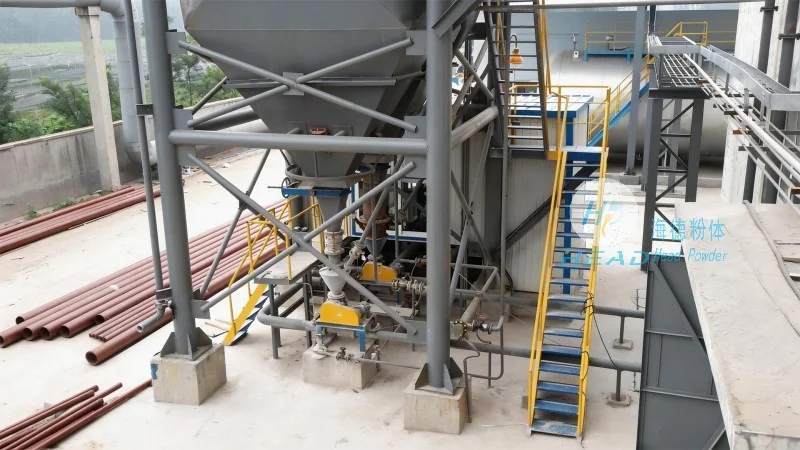
Molybdenum concentrate powder, a key raw material in various industries including metallurgy and chemical manufacturing, requires specialized handling due to its fine particle size and potential for dust generation. The choice of conveying method depends on factors such as material properties, production scale, environmental regulations, and operational efficiency. Below are some of the most widely used methods for transporting molybdenum concentrate powder:
Pneumatic Conveying Systems
Pneumatic conveying, also known as air conveying, is a popular method for transporting molybdenum concentrate powder due to its ability to handle fine powders and minimize dust exposure. This system utilizes compressed air to move the material through a pipeline. There are two main types of pneumatic conveying: pressure and vacuum systems. Pressure systems use positive pressure to push the material forward, while vacuum systems use negative pressure to pull it. For molybdenum concentrate powder, pressure systems are often preferred as they can handle higher material loads and longer distances. The process involves feeding the powder into a hopper, which is then connected to a pipeline. Compressed air is introduced, creating a flow that carries the powder through the system. Key components include the hopper, feeder, pipeline, and receiver. The system is designed to maintain consistent air pressure and flow rates to ensure smooth material transport. Advantages of pneumatic conveying include low maintenance, ability to transport materials over long distances, and reduced risk of contamination. However, it may require higher energy consumption compared to other methods and can be less effective for very fine powders that are prone to settling.
Screw Conveyors
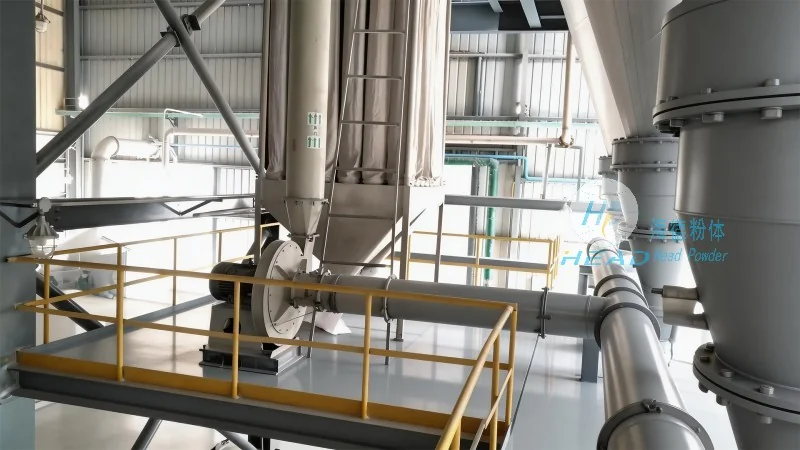
Screw conveyors, also known as auger conveyors, are another common method for transporting molybdenum concentrate powder. These systems use a rotating screw (auger) to move material along a trough or tube. The screw is typically made of stainless steel or other corrosion-resistant materials to handle the abrasive nature of molybdenum concentrate. Screw conveyors are suitable for horizontal or slight incline applications and can handle a wide range of particle sizes. The material is fed into the conveyor at one end, and the rotating screw pushes it towards the discharge end. The speed of the screw and the pitch (distance between screw flights) can be adjusted to control the material flow rate. Screw conveyors are often used in processing plants where the material needs to be moved from one stage to another, such as from a storage bin to a processing unit. They are relatively simple in design, easy to install, and can be integrated with other equipment. Advantages include low cost, minimal space requirements, and the ability to handle both dry and slightly wet powders. However, they may not be suitable for very fine powders that can cause excessive wear on the screw and trough, and they can be prone to clogging if the material is too sticky or contains large particles.
Pipe Conveyors
Pipe conveyors, also referred to as tube conveyors, are a type of screw conveyor enclosed within a flexible or rigid tube. This design allows for more flexible routing and can handle materials with higher moisture content or more abrasive properties. The screw rotates inside the tube, pushing the material forward. Pipe conveyors are particularly useful in applications where space is limited or where the material needs to be transported around obstacles. They can be used for both horizontal and vertical transport, making them versatile for various industrial setups. The material is fed into the inlet of the pipe conveyor, and the rotating screw moves it through the tube to the outlet. The system can be made of stainless steel or other materials resistant to corrosion and wear. Pipe conveyors are often used in the molybdenum processing industry for transporting concentrate powder from storage silos to processing equipment. They offer advantages such as reduced dust generation, lower maintenance compared to traditional screw conveyors, and the ability to handle a wide range of material characteristics. However, they may have higher initial costs and require more energy to operate compared to some other methods.
Bucket Elevators
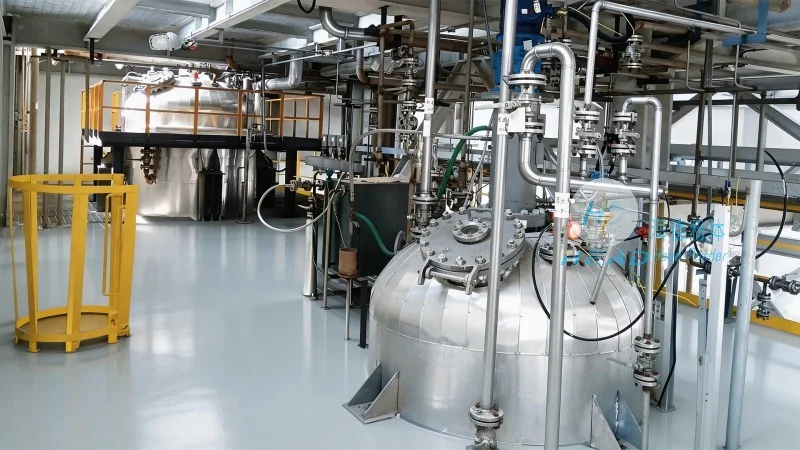
Bucket elevators are used for vertical or inclined transport of molybdenum concentrate powder. These systems consist of a vertical or inclined conveyor with a series of buckets attached to a chain or belt. The buckets are filled with material at the bottom and then lifted to the top, where they discharge the material. Bucket elevators are capable of handling large volumes of material and can transport it over significant vertical heights. They are commonly used in processing plants where the material needs to be lifted from a lower level to a higher level, such as from a storage bin to a processing unit on an upper floor. The buckets are designed to hold a specific amount of material and are spaced evenly along the conveyor. The chain or belt moves continuously, and the buckets rotate to discharge the material at the top. Bucket elevators are suitable for fine powders and can handle materials with varying moisture content. Advantages include high capacity, ability to transport materials over long vertical distances, and relatively low maintenance. However, they may require more space vertically and can be more complex to install compared to other methods. They also need regular inspection to ensure the buckets and chain are in good condition to prevent material spillage and system failure.
Hygienic and Dust-Free Conveying Solutions
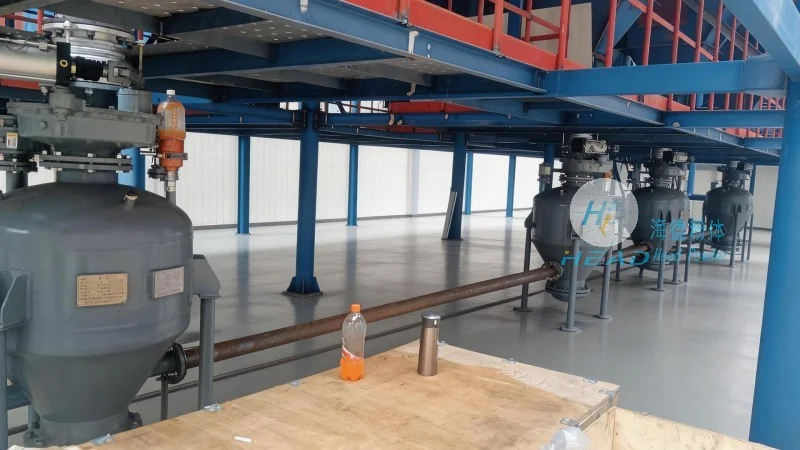
For applications where dust control and hygiene are critical, such as in food processing or pharmaceutical industries, specialized conveying systems are used. These systems often incorporate features like enclosed pipelines, air filtration, and dust collection to minimize environmental impact. For molybdenum concentrate powder, which may be used in industries with strict environmental regulations, hygienic conveying solutions are essential. Shandong HeadPowder Engineering Co., Ltd. offers customized solutions that meet these requirements, ensuring compliance with local and international standards. The use of stainless steel components, sealed connections, and advanced filtration systems helps maintain a clean and safe working environment. These solutions are designed to prevent dust emissions, reduce the risk of contamination, and improve overall operational efficiency. While they may have higher initial costs, the long-term benefits in terms of compliance and operational safety make them a worthwhile investment for many industrial applications.
In conclusion, the choice of molybdenum concentrate powder conveying method depends on various factors including material properties, operational requirements, and environmental considerations. Shandong HeadPowder Engineering Co., Ltd. provides a range of conveying solutions tailored to meet these needs, ensuring efficient and reliable transportation of molybdenum concentrate powder. By understanding the advantages and limitations of each method, industrial operators can select the most suitable option for their specific applications, optimizing production processes and maintaining compliance with industry standards.




