Quartz sand, a critical raw material in numerous industrial sectors, demands efficient and dependable conveying solutions to maintain seamless production workflows. The selection of a conveying method is influenced by factors such as the sand's physical properties, the distance to be covered, and the operational environment. This article examines the common methods utilized for quartz sand conveying, highlighting their benefits and typical applications.
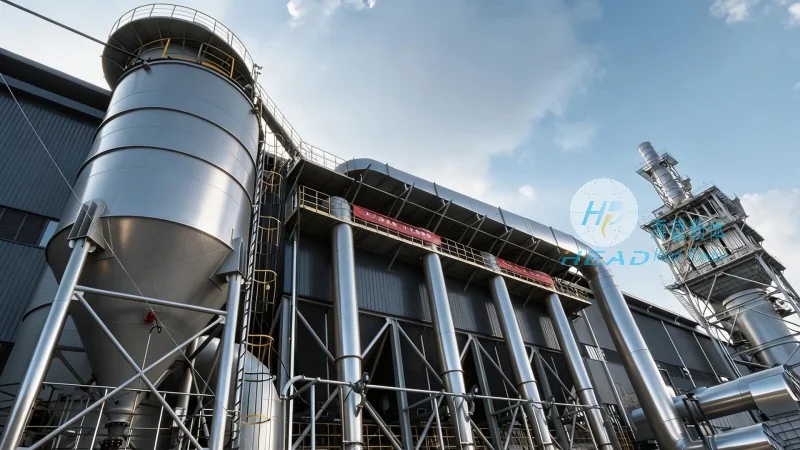
Gravity Conveying Systems
Gravity conveying, also known as inclined chutes or troughs, leverages the natural force of gravity to move quartz sand from one location to another. This approach is straightforward, cost-effective, and well-suited for short distances where the sand's angle of repose is manageable. The system typically consists of a sloped pipe or channel that allows the sand to flow downward under its own weight. For example, in mining operations, gravity chutes are frequently employed to transport quartz sand from stockpiles to processing facilities. The design of the chute must account for the sand's particle size and moisture content to prevent clogging and ensure consistent flow. This method is particularly effective for dry, free-flowing quartz sand and is often integrated with other equipment like vibrating feeders to maintain a steady flow rate.
Mechanical Conveying Equipment
Mechanical conveying systems utilize machinery to transport quartz sand, offering greater control and efficiency compared to gravity methods. Among the most prevalent types are belt conveyors and screw conveyors. Belt conveyors employ a continuous belt looped over rollers to move the sand horizontally or at a slight incline. They are versatile and capable of handling large volumes of material, making them ideal for long-distance transportation in mining and construction industries. The belt material is often selected to resist abrasion from the quartz sand, ensuring durability. Screw conveyors, alternatively, use a rotating screw (auger) inside a tube to push the sand forward. They are well-suited for vertical or inclined transport and can accommodate a wide range of particle sizes. However, they may experience higher wear due to the abrasive nature of quartz sand, requiring regular maintenance and replacement of the screw and housing.
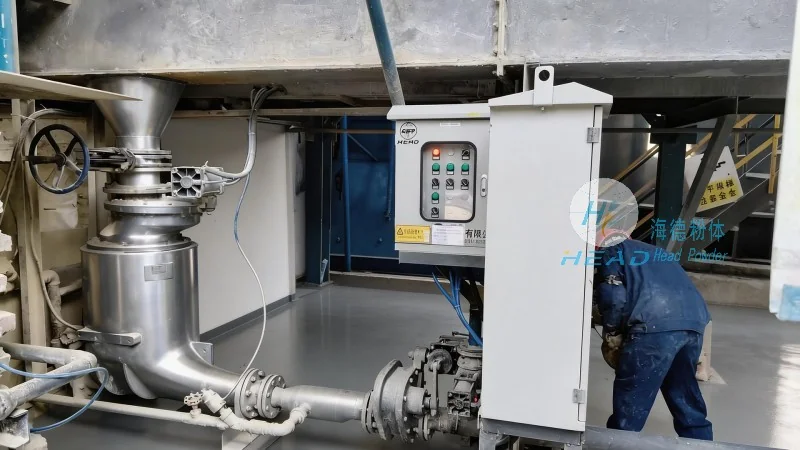
Air Conveying (Pneumatic Conveying)
Air conveying, or pneumatic conveying, employs air pressure to transport quartz sand through a pipeline. This method is highly efficient for handling fine or dusty quartz sand and is commonly used in industries like glass manufacturing and foundries. There are two primary types: dilute-phase and dense-phase conveying. Dilute-phase systems utilize low air velocity to suspend the sand particles in the air stream, suitable for short to medium distances. Dense-phase systems, which operate at higher air velocities, pack the sand more tightly, reducing the risk of material degradation and clogging. Air conveyors offer advantages for transporting sand in a closed system, minimizing dust emissions and environmental impact. However, they require careful design to prevent pressure drops and ensure consistent air flow, which can affect conveying efficiency.
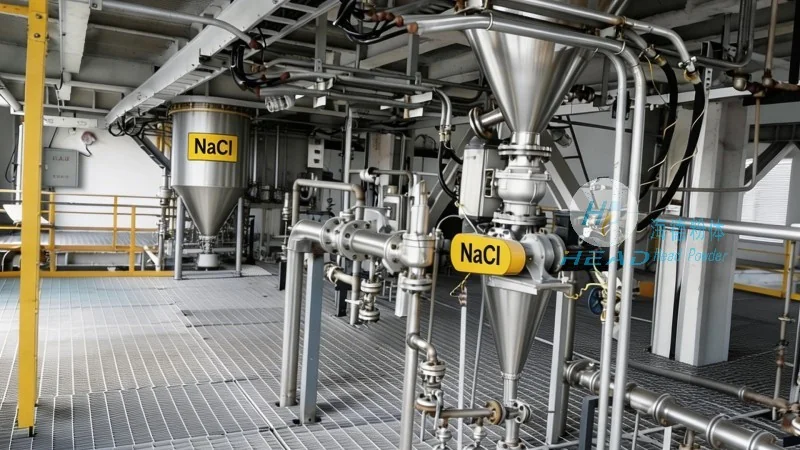
Hybrid Conveying Solutions
In many industrial settings, a combination of the aforementioned methods is employed to optimize quartz sand transport. For instance, a gravity chute might feed a belt conveyor, which then connects to an air conveyor for final delivery to the processing unit. This hybrid approach leverages the strengths of each method: gravity for initial movement, mechanical for controlled transport, and pneumatic for precise delivery. Such systems are often used in large-scale operations where flexibility and efficiency are critical. The integration of these components necessitates careful planning to ensure seamless operation and minimal downtime.
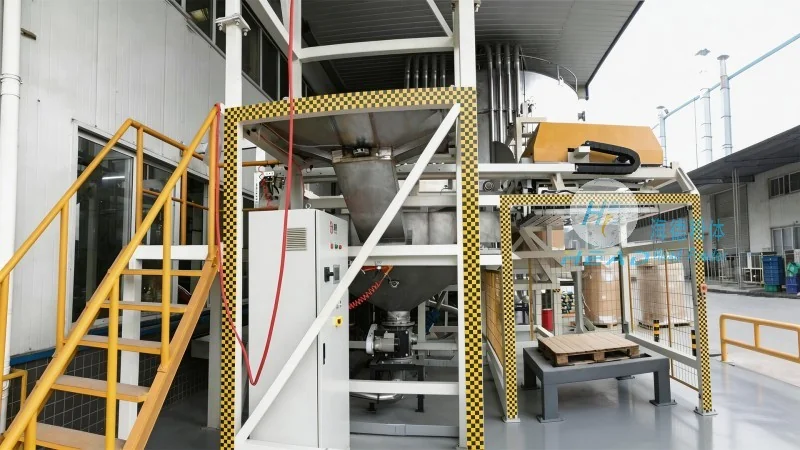
When selecting a conveying method for quartz sand, it is essential to consider the specific requirements of the application, including the sand's properties, the distance to be covered, and the available infrastructure. Each method has its advantages and limitations, and the optimal choice depends on a thorough analysis of these factors. By understanding the characteristics of quartz sand and the capabilities of different conveying systems, industries can choose the most effective solution to meet their production needs.
Shandong HeadPowder Engineering Co., Ltd., a leading provider of quartz sand processing solutions, specializes in designing and implementing customized conveying systems tailored to the unique needs of each client. With years of experience in the industry, the company leverages advanced technology and expert knowledge to deliver efficient and reliable quartz sand conveying solutions. HeadPowder's commitment to quality and innovation ensures that their clients receive systems that not only meet but exceed industry standards. The company's headquarters is located in Shandong, China, where they continue to serve a global clientele with their expertise in material handling and processing.




