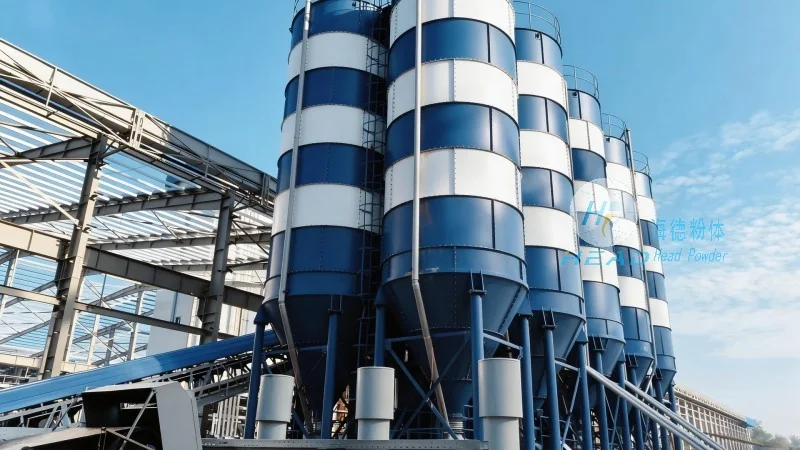
Calcite, a widely used mineral in various industrial applications, requires efficient and reliable conveying methods to ensure smooth production processes. As a leading provider in the field, Shandong HeadPowder Engineering Co., Ltd. specializes in offering advanced solutions for calcite handling. This article explores the common methods used for calcite conveying, highlighting the expertise and capabilities of HeadPowder in optimizing material transport.
Introduction to Calcite Conveying
Calcite, with its chemical formula CaCO₃, is a common calcium carbonate mineral utilized in industries such as construction, pharmaceuticals, and chemical manufacturing. The effective transport of calcite from extraction sites to processing facilities is crucial for maintaining operational efficiency and product quality. Various conveying methods have been developed to address the unique properties of calcite, including its particle size, density, and moisture content. HeadPowder, based in Shandong, China, has established itself as a trusted partner in providing tailored conveying solutions that meet the specific needs of clients.
1. Screw Conveyors for Calcite Transport
Screw conveyors, also known as auger conveyors, are among the most common equipment used for calcite conveying. These systems consist of a rotating screw (auger) enclosed in a U-shaped or cylindrical housing. The screw rotates, pushing the calcite material forward through the conveyor. Screw conveyors are particularly suitable for calcite with moderate to fine particle sizes, as they can handle materials with a relatively low angle of repose. HeadPowder’s screw conveyors are designed with durable materials, such as stainless steel or high-grade carbon steel, to withstand the abrasive nature of calcite. The company’s expertise in customizing screw pitch, speed, and length ensures optimal performance for different calcite types and production capacities.
2. Belt Conveyors for Bulk Calcite Handling
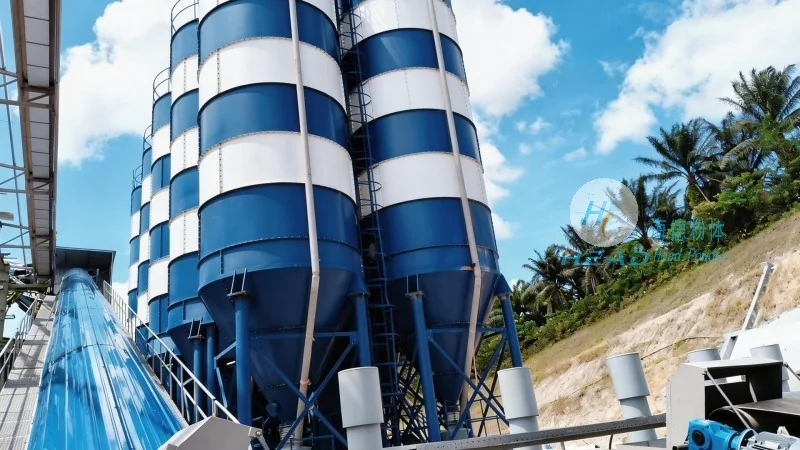
Belt conveyors are widely employed for the bulk transport of calcite, especially in large-scale mining and processing operations. These systems utilize a continuous belt that moves over rollers, transporting calcite from one location to another. Belt conveyors are efficient for long-distance conveying and can handle high volumes of material. HeadPowder offers belt conveyors with reinforced belts and heavy-duty rollers to ensure reliable operation under heavy loads. The company’s design considerations include the selection of appropriate belt materials (e.g., rubber or PVC) and the implementation of tensioning systems to maintain proper belt alignment. This ensures minimal downtime and consistent calcite transport, even in challenging operational conditions.
3. Pneumatic Conveying Systems for Fine Calcite
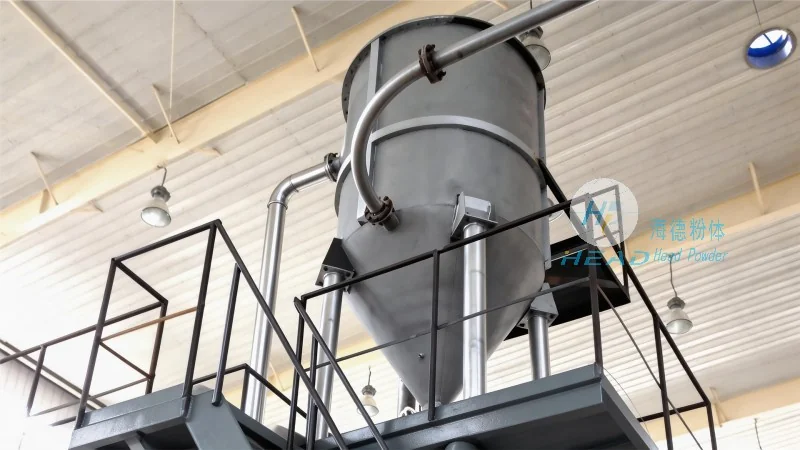
Pneumatic conveying systems are ideal for transporting fine calcite powders, which are often used in pharmaceutical and chemical applications. These systems use air pressure to move calcite particles through a pipeline. There are two main types of pneumatic conveyors: pressure and vacuum systems. Pressure systems push material through the pipeline using compressed air, while vacuum systems draw material into the system. HeadPowder’s pneumatic conveying solutions are designed to handle calcite powders with high efficiency and minimal product degradation. The company’s expertise in selecting the appropriate air velocity, pipeline diameter, and filter systems ensures that calcite particles are conveyed without clogging or loss. This method is particularly advantageous for applications requiring dust-free handling and precise control over material flow.
4. Bucket Elevators for Vertical Calcite Transport
For vertical transport of calcite, bucket elevators are commonly used. These systems consist of a vertical or inclined conveyor with buckets attached to a chain or belt. The buckets lift calcite from a lower level to a higher level, where it is discharged. Bucket elevators are suitable for calcite with a moderate to high bulk density and can handle both dry and slightly moist materials. HeadPowder’s bucket elevators are engineered with robust buckets and durable chains to ensure reliable vertical transport. The company’s design incorporates safety features, such as emergency stop mechanisms and overload protection, to prevent accidents and equipment damage. This equipment is particularly useful in facilities where space is limited and vertical movement is necessary for calcite processing.
5. Vibrating Conveyors for Efficient Calcite Movement
Vibrating conveyors utilize vibrations to move calcite material along a trough. These systems are effective for handling calcite with a wide range of particle sizes and moisture content. The conveyor consists of a trough that vibrates at a specific frequency and amplitude, causing the calcite to move forward. HeadPowder’s vibrating conveyors are designed with adjustable vibration parameters to optimize material flow. The company’s equipment is equipped with wear-resistant liners and adjustable feed hoppers to ensure consistent performance. This method is particularly beneficial for calcite with a high angle of repose, as the vibrations help prevent material bridging and blockages. Vibrating conveyors are also suitable for applications requiring gentle handling of calcite, such as in food or pharmaceutical industries.
Conclusion: Choosing the Right Calcite Conveying Method
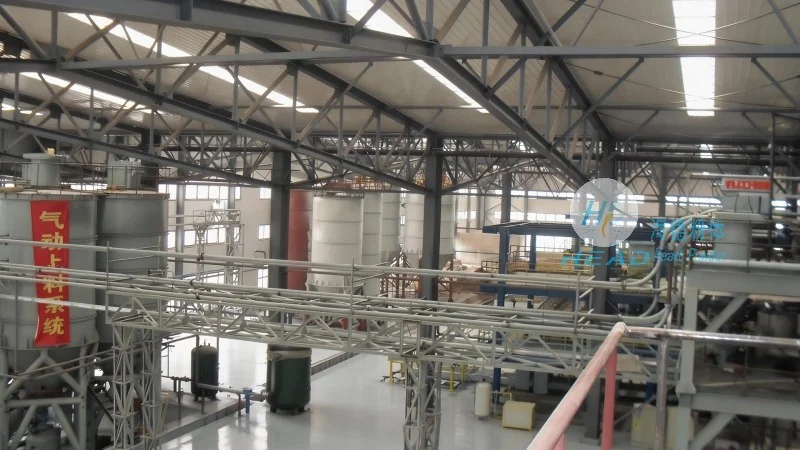
Selecting the appropriate calcite conveying method depends on several factors, including the calcite particle size, moisture content, bulk density, and the distance and height of transport. HeadPowder, with its extensive experience and technical expertise, offers comprehensive solutions tailored to each client’s specific requirements. By understanding the unique properties of calcite and the operational needs of the client, HeadPowder ensures that the chosen conveying method maximizes efficiency, minimizes downtime, and maintains product quality. Whether using screw conveyors, belt conveyors, pneumatic systems, bucket elevators, or vibrating conveyors, HeadPowder’s commitment to quality and innovation makes it a reliable partner for calcite conveying solutions. With operations based in Shandong, China, HeadPowder continues to provide advanced and efficient conveying systems that support the industrial needs of clients worldwide.




