

Comparative Analysis of Positive Pressure and Negative Pressure Conveying for Mica Sand
HeadPowder, a leading engineering company based in Shandong, China, specializes in providing advanced solutions for material handling, particularly in the field of mica sand transportation. This article provides a detailed comparison between positive pressure and negative pressure conveying systems, focusing on their applications, advantages, and practical considerations for efficient mica sand transport operations.
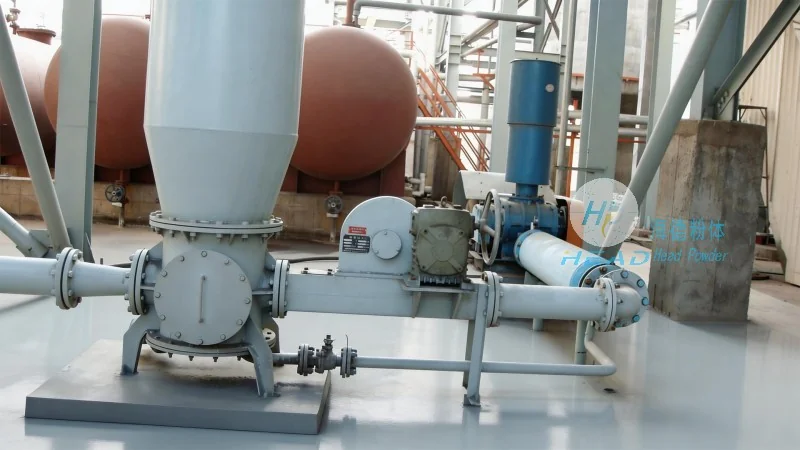
Introduction to Mica Sand Conveying Systems
Mica sand, a widely used industrial material in various sectors such as coatings, ceramics, and construction, requires reliable and efficient transportation methods to ensure smooth production processes. Conveying systems, particularly pneumatic conveying, have become the preferred choice for handling mica sand due to their ability to transport materials over long distances without the need for complex infrastructure. Among the two main types of pneumatic conveying, positive pressure and negative pressure systems offer distinct approaches to material transport, each with its own set of benefits and limitations.
Understanding Positive Pressure Conveying
Positive pressure conveying, also known as pressure pneumatic conveying, operates by forcing air or a carrier gas through the material to be transported. The system uses a positive pressure source, typically a blower or compressor, to create a pressure differential that propels the material through the pipeline. This method is particularly effective for transporting mica sand over medium to long distances, as it can handle a wide range of particle sizes and moisture content. The positive pressure system ensures that the material is continuously pushed forward, reducing the risk of blockages and ensuring consistent flow rates.
Key Advantages of Positive Pressure Conveying for Mica Sand
One of the primary advantages of positive pressure conveying is its ability to handle abrasive and abrasive materials like mica sand without causing excessive wear on the system components. The high-pressure air flow helps to maintain the integrity of the material, preventing it from breaking down or clumping together. Additionally, positive pressure systems are generally more suitable for applications where the material needs to be delivered to multiple destinations or integrated into existing production lines, as they can be easily branched and distributed. The system also offers better control over the flow rate and pressure, allowing for precise regulation of the material's movement.
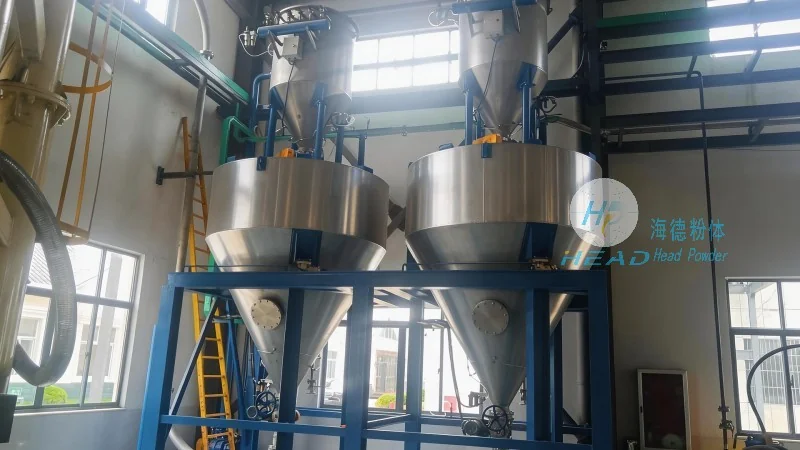
Challenges and Considerations in Positive Pressure Conveying
Despite its advantages, positive pressure conveying for mica sand has some challenges. The high-pressure operation requires robust and durable equipment, such as high-capacity blowers and reinforced pipelines, which can increase the initial investment and maintenance costs. Additionally, the system may generate more noise and vibration compared to negative pressure systems, potentially affecting the working environment. Another consideration is the need for proper filtration and dust control measures, as the high-pressure air can carry fine particles that may cause environmental or health issues if not properly managed.
Understanding Negative Pressure Conveying
Negative pressure conveying, or vacuum pneumatic conveying, operates by creating a vacuum at the receiving end of the system, which draws the material into the pipeline using a vacuum pump. The material is then transported to the destination by the suction force generated by the vacuum. This method is commonly used for short to medium distance transport, especially when the material needs to be collected from multiple points or when the receiving equipment is located at a lower elevation than the source.
Key Advantages of Negative Pressure Conveying for Mica Sand
One of the main advantages of negative pressure conveying is its lower operational cost compared to positive pressure systems. The vacuum pump used in this system is generally smaller and less expensive than the high-capacity blowers required for positive pressure conveying. Additionally, the system is quieter and less vibration-prone, making it more suitable for applications where noise control is a priority. Negative pressure conveying also allows for the collection of material from multiple sources, as the vacuum can be applied to different collection points and then transported to a central location.
Challenges and Considerations in Negative Pressure Conveying
However, negative pressure conveying for mica sand has its own set of challenges. The system is more susceptible to blockages and clogging, especially with fine or cohesive materials like mica sand, as the vacuum may not be strong enough to maintain consistent flow. The pipelines may also require more frequent cleaning to prevent material buildup, which can increase maintenance efforts. Another consideration is the need for proper sealing and leak prevention, as any leaks in the system can cause air to enter and reduce the vacuum pressure, affecting the conveying efficiency. Additionally, the system may have limitations in terms of the maximum distance it can effectively transport the material, as the vacuum strength diminishes over longer distances.
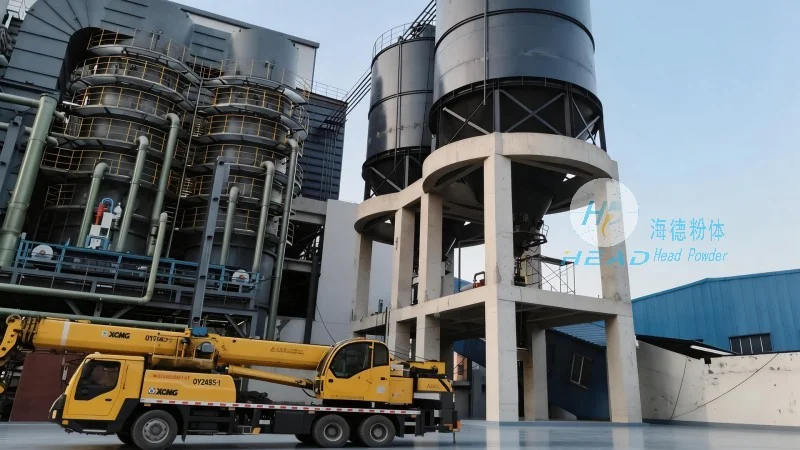
Comparative Analysis: Positive vs. Negative Pressure Conveying
When comparing positive and negative pressure conveying for mica sand, several factors need to be considered to determine the most suitable system for a specific application. The choice between the two depends on factors such as the distance of transport, the volume of material to be handled, the particle size and properties of the mica sand, and the operational requirements of the production process. Positive pressure conveying is generally more suitable for long-distance transport and high-volume applications, while negative pressure conveying is better for short-distance transport and applications requiring multiple collection points.
Application Examples in Mica Sand Handling
HeadPowder has extensive experience in implementing both positive and negative pressure conveying systems for mica sand handling in various industrial settings. For instance, in a large-scale mica sand processing plant, a positive pressure system was installed to transport mica sand from the mining site to the processing facility over a distance of 5 kilometers. The system was designed to handle a high volume of material, with a capacity of 100 tons per hour, and was equipped with robust pipelines and high-capacity blowers to ensure reliable operation. In another application, a negative pressure system was used to collect mica sand from multiple collection points in a construction site and transport it to a central storage area over a distance of 2 kilometers. The system was chosen for its lower cost and quieter operation, making it suitable for the site's environment.
Conclusion: Choosing the Right Conveying System
Both positive pressure and negative pressure conveying systems offer effective solutions for mica sand transport, each with its own set of advantages and limitations. The choice between the two depends on the specific requirements of the application, including the distance of transport, material properties, and operational constraints. HeadPowder, with its expertise in engineering and material handling, can provide customized solutions that optimize the performance and efficiency of mica sand conveying systems. By carefully evaluating the needs of the project and selecting the appropriate conveying method, industries can ensure smooth and reliable mica sand transport, minimizing downtime and maximizing productivity.