When it comes to transporting mineral particles in industrial settings, selecting the right conveying method is crucial for efficiency, cost-effectiveness, and operational safety. Shandong HeadPowder Engineering Co., Ltd., a leading provider of material handling solutions based in Shandong, China, specializes in designing and implementing various conveying systems tailored to the unique needs of mineral processing operations. This article explores the most common methods used for mineral particle transport, highlighting their applications, advantages, and considerations.
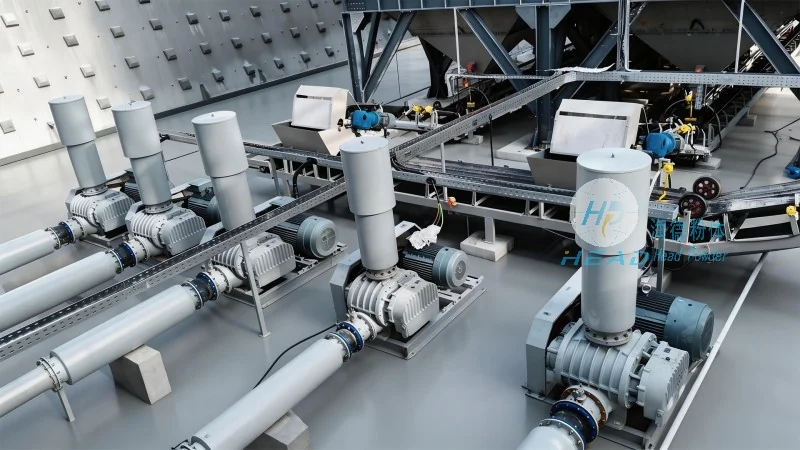
1. Belt Conveyors: The Workhorse of Bulk Material Handling
Belt conveyors are among the most widely used systems for transporting mineral particles due to their versatility and reliability. These systems consist of a continuous loop of belt that moves material from one point to another through the use of pulleys and motors. The belt can be made from various materials, such as rubber or PVC, depending on the type of mineral and the environmental conditions. For example, in coal mining or quarry operations, heavy-duty rubber belts are often employed to handle abrasive materials like limestone or granite. Belt conveyors are particularly effective for long-distance transport and can be configured with inclines or declines to accommodate different elevation changes. They are also suitable for high-volume applications, making them a preferred choice in large-scale mineral processing plants.
2. Screw Conveyors: Compact and Versatile Solutions
Screw conveyors, also known as auger conveyors, are another common method for mineral particle transport, especially in applications requiring vertical or inclined movement. These systems use a rotating screw (auger) to push material forward through a cylindrical tube. The screw's pitch and speed can be adjusted to control the flow rate and direction of the material. Screw conveyors are ideal for handling dry, free-flowing materials like sand, gravel, or powdered minerals. They are compact in design, making them suitable for installations with limited space, such as in small-scale mining operations or processing plants. Additionally, screw conveyors can be used for both horizontal and vertical transport, providing flexibility in system layout. However, they may not be as efficient for very abrasive or sticky materials, as the screw and tube can experience wear over time.
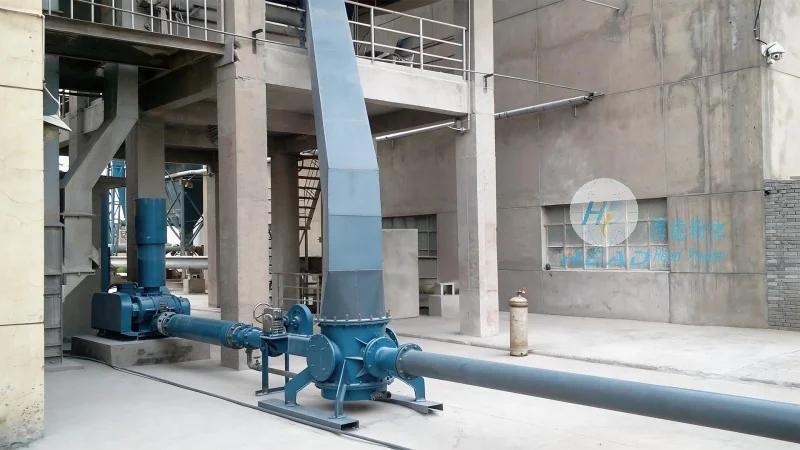
3. Pneumatic Conveying: Air-Driven Transport Systems
Pneumatic conveying systems use air or other gases to transport mineral particles through a pipeline. This method is particularly useful for handling fine powders or dust that might be difficult to move with mechanical systems. There are two main types of pneumatic conveying: dilute-phase and dense-phase. Dilute-phase systems use low-pressure air to move material in a dispersed state, while dense-phase systems use higher pressure to push material in a more concentrated form. Pneumatic conveyors are often used in applications where dust control is critical, such as in the transport of cement or flour. They are also suitable for long-distance transport, as the pipeline can be laid over considerable distances without the need for intermediate transfer points. However, pneumatic systems require more energy to operate compared to mechanical conveyors and may not be as efficient for very large volumes of material.
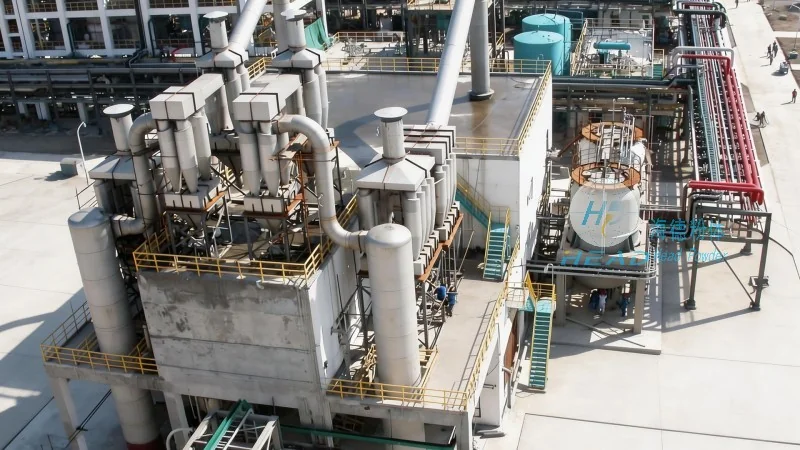
4. Bucket Elevators: Vertical Material Transport
Bucket elevators are specialized conveyors designed for vertical transport of mineral particles. These systems consist of a continuous chain with buckets attached, which travel up and down inside a vertical housing. The buckets scoop up material at the bottom and release it at the top, allowing for efficient vertical movement. Bucket elevators are commonly used in applications where vertical elevation changes are necessary, such as in feed mills or mineral processing plants. They are particularly effective for handling bulk materials like coal, ore, or sand, and can transport material at high speeds and capacities. However, bucket elevators require regular maintenance to ensure the buckets and chain remain in good condition, and they may not be suitable for very fine or abrasive materials that could cause excessive wear.
5. Vibrating Conveyors: Gentle Material Handling
Vibrating conveyors use vibrations to move mineral particles along a trough. These systems consist of a conveyor bed that is vibrated at a specific frequency and amplitude, causing the material to move forward due to the vibration. Vibrating conveyors are ideal for handling delicate or fragile materials, such as grains or powdered minerals, as they minimize impact and abrasion. They are also suitable for applications where gentle handling is required, such as in food processing or pharmaceutical industries. However, vibrating conveyors may not be as efficient for very heavy or large particles, as the vibration can cause the material to become stuck or require additional support structures. They are often used in combination with other conveying systems to achieve a smooth transfer of material.




