When it comes to the transportation of lithium-ion battery anode materials, selecting the right method is crucial for ensuring product integrity, safety, and efficiency. As a leading provider in the field, Shandong HeadPowder Engineering Co., Ltd. specializes in optimizing material handling processes for various applications. This article explores the common methods used for transporting anode materials, highlighting key considerations and best practices.
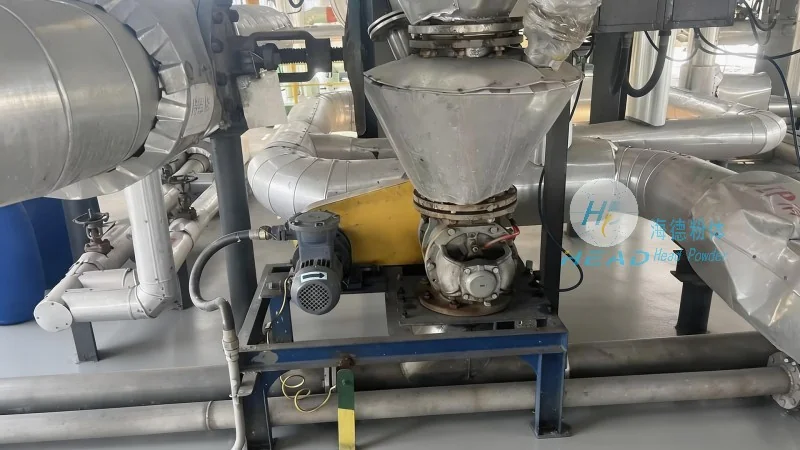
1. Packaging and Handling Requirements
Proper packaging is the first step in ensuring safe and efficient transport of lithium-ion battery anode materials. Anode materials, such as graphite or silicon-based powders, are typically handled in sealed containers to prevent contamination and exposure to moisture. At Shandong HeadPowder Engineering Co., Ltd., we recommend using high-quality, airtight packaging materials that meet industry standards. These containers are designed to protect the material from environmental factors that could degrade its quality or pose safety risks. For example, moisture-sensitive materials are often stored in desiccant-lined containers to maintain optimal humidity levels during transit.
2. Bulk Transportation Methods
Bulk transportation is a common method for moving large quantities of anode materials. This approach involves loading materials into bulk containers like silos, bulk bags (FIBCs), or bulk trucks. Bulk transportation is particularly effective for high-volume shipments, as it minimizes handling costs and reduces the risk of material loss. Shandong HeadPowder Engineering Co., Ltd. utilizes advanced bulk handling systems that ensure smooth loading and unloading processes. These systems are equipped with dust suppression mechanisms to prevent airborne contamination and maintain a safe working environment. Additionally, bulk containers are often equipped with level sensors and pressure relief valves to monitor and control material flow during transport.
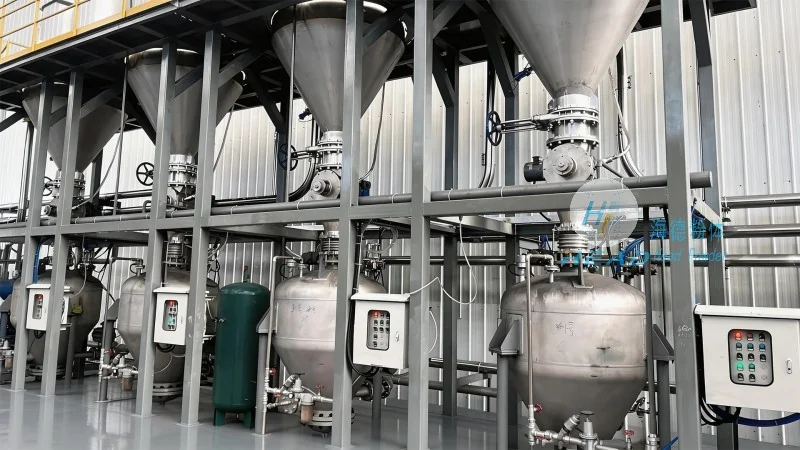
3. Containerized Shipping
Containerized shipping is another widely used method for transporting anode materials, especially for international or long-distance shipments. Standard shipping containers are used to house the material, providing a secure and weather-resistant environment. This method is ideal for companies that need to ship materials to multiple destinations or for extended periods. At Shandong HeadPowder Engineering Co., Ltd., we emphasize the importance of proper container sealing and labeling to comply with international shipping regulations. Containers are typically marked with hazard symbols and handling instructions to ensure safe transit. Furthermore, containerized shipping allows for easy tracking of shipments, providing real-time updates on the material's location and condition.
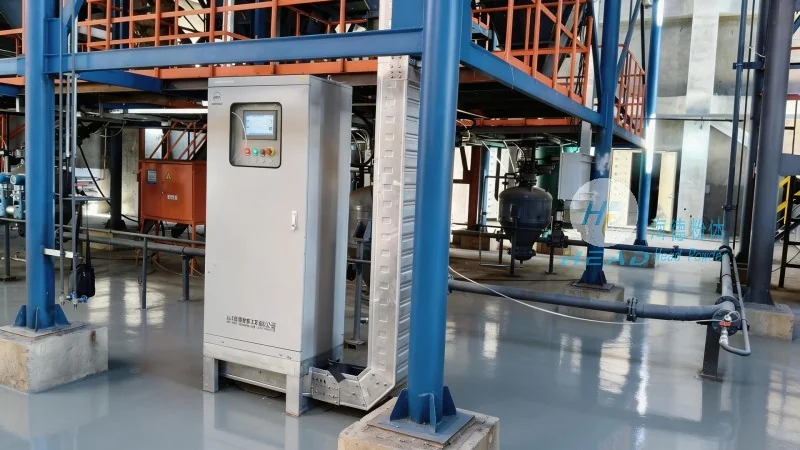
4. Specialized Transport Solutions
For specialized or high-value anode materials, specialized transport solutions may be required. These solutions include temperature-controlled containers, specialized trailers, or even air freight for urgent shipments. Temperature-controlled containers are essential for materials that are sensitive to temperature fluctuations, as they maintain a consistent environment throughout the journey. Shandong HeadPowder Engineering Co., Ltd. offers customized transport solutions tailored to the specific needs of each client. For instance, for materials that require strict temperature control, we partner with logistics providers that offer refrigerated or insulated containers. This ensures that the material remains within its optimal operating range, preserving its performance and lifespan.
5. Compliance and Safety Measures
Compliance with safety and regulatory standards is paramount when transporting lithium-ion battery anode materials. These materials are often classified as hazardous due to their chemical composition and potential fire risks. Therefore, all transport methods must adhere to relevant regulations, such as those set by the International Air Transport Association (IATA) or the International Maritime Organization (IMO). Shandong HeadPowder Engineering Co., Ltd. ensures that all transportation processes comply with these standards, providing documentation and certifications as needed. Additionally, our team conducts regular safety audits to identify and mitigate potential risks during transport. This includes training drivers and handlers on proper safety procedures, such as handling spills or emergencies. By prioritizing compliance and safety, we ensure that our clients' materials are transported securely and efficiently.




