When it comes to transporting coal powder efficiently and safely, various methods are employed in industrial settings. Understanding the different approaches to coal powder conveying is crucial for optimizing operations and ensuring compliance with safety standards. This article explores the primary methods used for coal powder transportation, highlighting their applications and benefits.
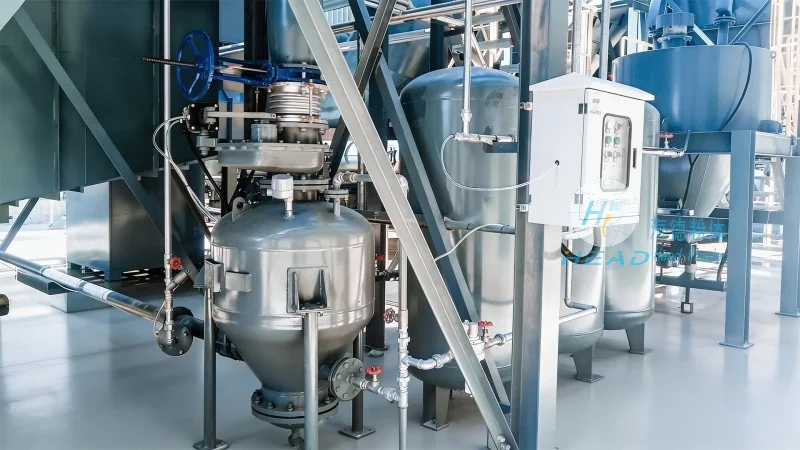
1. Pneumatic Conveying Systems
Pneumatic conveying systems utilize air or other gases to transport coal powder through a pipeline. This method is widely used due to its ability to handle fine powders and minimize dust exposure. There are two main types: pressure and vacuum systems. Pressure systems push the material forward using compressed air, while vacuum systems draw the powder into the pipeline using a vacuum pump. Pneumatic conveying is particularly effective for long-distance transport and can be integrated with other processing equipment, making it a versatile solution for coal powder handling.
2. Screw Conveyors
Screw conveyors, also known as auger conveyors, are mechanical devices that use a rotating screw to move coal powder along a trough. This method is suitable for horizontal or slight incline transport and is commonly used in bulk material handling. Screw conveyors are simple in design, requiring minimal maintenance, and can handle a wide range of particle sizes. They are ideal for applications where the powder needs to be mixed or blended with other materials before further processing. The smooth operation of screw conveyors ensures consistent flow rates, making them reliable for continuous production lines.
3. Belt Conveyors
Belt conveyors are another popular method for coal powder transport, especially in large-scale operations. These systems use a continuous belt to move the powder from one point to another. The belt is typically made of durable materials like rubber or synthetic fabrics, designed to withstand the abrasive nature of coal powder. Belt conveyors can handle high volumes of material and are suitable for both short and long distances. They are often used in conjunction with other equipment, such as hoppers and feeders, to create an automated material handling system. The efficiency of belt conveyors makes them a cost-effective solution for coal powder transportation in industrial settings.
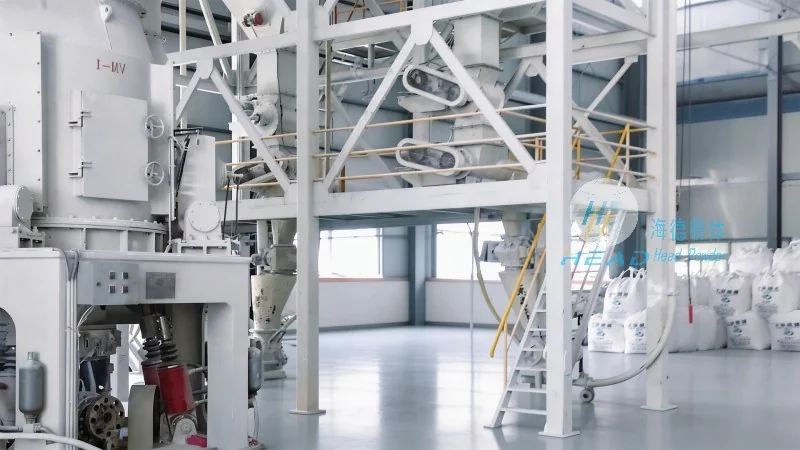
4. Bucket Elevators
Bucket elevators are vertical or inclined conveyors that use buckets attached to a chain or belt to lift coal powder. This method is ideal for vertical transport and can handle materials with high moisture content or sticky properties. The buckets are filled at the bottom and discharged at the top, ensuring a continuous flow of material. Bucket elevators are commonly used in coal processing plants to transport powder from storage silos to processing units. They are designed to minimize dust generation and are equipped with safety features to prevent material spillage. The robust construction of bucket elevators makes them suitable for heavy-duty applications in coal handling.
5. Hydraulic Conveying
Hydraulic conveying systems use water or other liquids to transport coal powder through a pipeline. This method is particularly effective for handling wet or sticky powders that are difficult to move using other methods. The liquid acts as a carrier, suspending the powder and allowing it to be transported over long distances. Hydraulic conveying is often used in coal washing plants to transport washed coal powder from the washing units to storage areas. The system is relatively low in noise and vibration, making it suitable for environments where noise control is a priority. However, it requires additional equipment for liquid management and may not be suitable for all types of coal powder.
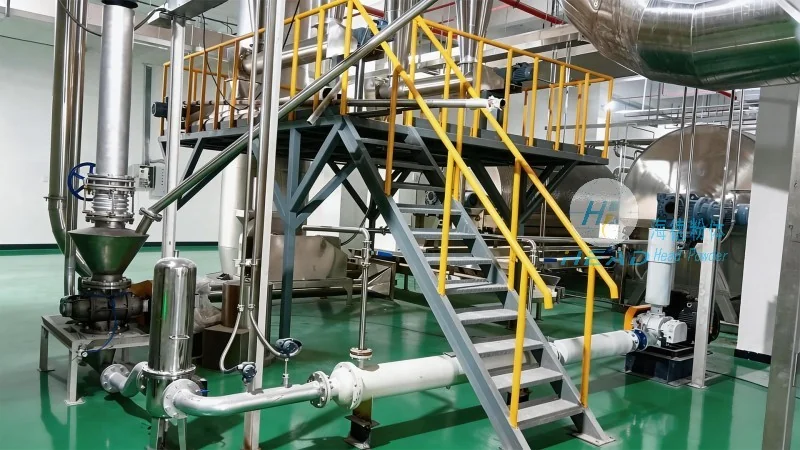
6. Air-Lift Conveyors
Air-lift conveyors are a type of pneumatic system that uses a vertical pipeline to transport coal powder using air pressure. The system consists of a lower hopper where the powder is fed, and an upper discharge point. As air is introduced into the lower section, it lifts the powder up the pipeline and discharges it at the top. This method is particularly useful for vertical transport over significant heights and is commonly used in coal storage facilities. Air-lift conveyors are compact and require minimal space, making them suitable for installations where horizontal space is limited. They are also relatively easy to install and maintain, contributing to their popularity in coal powder handling applications.
7. Combination Systems
In many industrial settings, a combination of the above methods is used to achieve optimal coal powder conveying. For example, a pneumatic system may be used for horizontal transport, followed by a screw conveyor for vertical lifting. This integrated approach allows for efficient material handling and minimizes the need for multiple transfer points. Combination systems are often customized to meet the specific requirements of a facility, considering factors such as material properties, distance, and throughput. By leveraging the strengths of different conveying methods, these systems provide a flexible and reliable solution for coal powder transport.
Choosing the right method for coal powder conveying depends on several factors, including the type of coal, the required transport distance, and the operational environment. Each method has its advantages and limitations, and selecting the appropriate system ensures efficient operation, cost-effectiveness, and safety. For businesses in the coal industry, understanding these methods and their applications is essential for optimizing their material handling processes.




