Efficient and reliable transport of sand, gravel, and other aggregate materials is a critical aspect of construction and industrial operations. Choosing the right conveying method is essential to ensure smooth workflow, minimize downtime, and maintain material quality. This article explores various methods used for sand and gravel transport, providing insights into their applications and benefits.
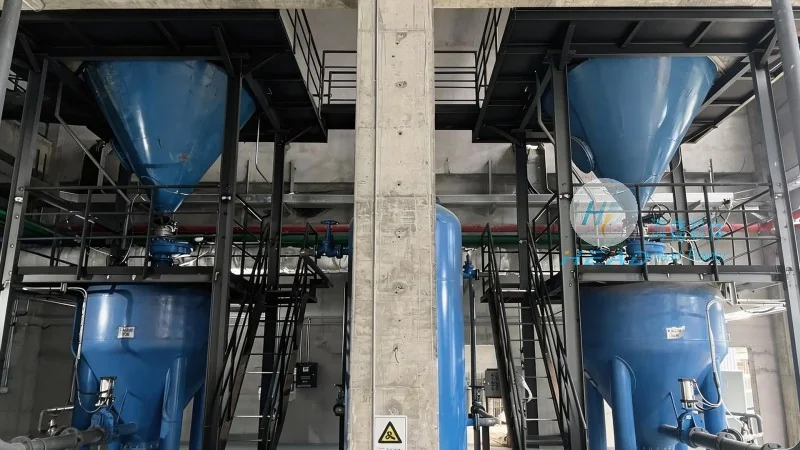
Common Methods for Sand and Gravel Conveying
Several technologies are available for transporting aggregate materials, each with its own advantages and suitable applications. The selection of a method depends on factors such as material type, distance, volume, and operational environment. Below are some of the most common approaches used in the industry.
1. Belt Conveyors
Belt conveyors are one of the most widely used methods for transporting bulk materials like sand and gravel. They consist of a continuous belt that moves over rollers or pulleys, carrying the material from one point to another. These systems are highly efficient for long-distance transport and can handle large volumes of material with minimal maintenance. Belt conveyors are particularly suitable for applications where the material needs to be moved over horizontal or slightly inclined distances. They are also versatile, as they can be customized with different belt types, widths, and speeds to accommodate various material characteristics and operational requirements.
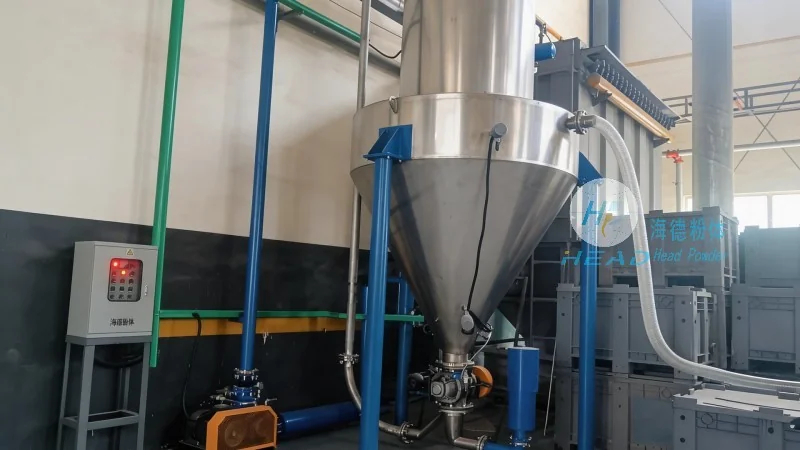
2. Screw Conveyors
Screw conveyors, also known as auger conveyors, use a rotating screw to move material through a tube or trough. This method is ideal for transporting granular materials with low to moderate moisture content. Screw conveyors are compact and can be installed in confined spaces, making them suitable for applications where space is limited. They are also relatively simple in design, which contributes to lower maintenance costs and longer service life. However, screw conveyors may not be as efficient for very long distances or for materials with high moisture content, as this can lead to increased friction and wear on the screw and housing.
3. Bucket Elevators
Bucket elevators, or vertical conveyors, are used to transport materials vertically over significant heights. They consist of a series of buckets attached to a chain or belt that moves up and down within a vertical housing. This method is highly effective for moving sand and gravel from a lower to a higher level, such as from a stockpile to a processing plant. Bucket elevators can handle a wide range of material sizes and can operate at high speeds, making them suitable for high-volume applications. They are also enclosed, which helps to contain dust and prevent material spillage. However, bucket elevators require regular maintenance to ensure the buckets remain in good condition and the chain or belt operates smoothly.
4. Pneumatic Conveying Systems
Pneumatic conveying systems use air or other gases to transport material through a pipeline. This method is particularly useful for transporting fine or dusty materials like sand, as it can minimize dust exposure and prevent material degradation. Pneumatic systems can be either positive or negative pressure, depending on the application. Positive pressure systems blow air into the pipeline, pushing the material forward, while negative pressure systems create a vacuum that pulls the material through the line. Pneumatic conveying is often used for short to medium distances and can be integrated with other processing equipment. However, it may not be as efficient for very large volumes or for materials with high moisture content, as this can affect the flow and cause blockages.
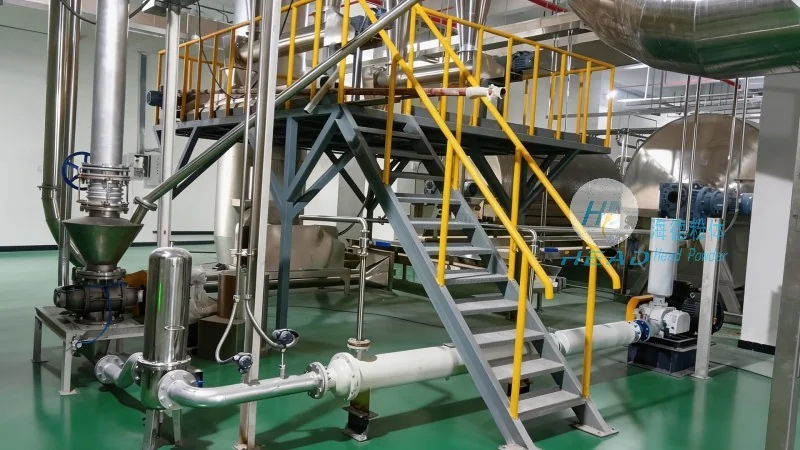
5. Roller Conveyors
Roller conveyors use a series of rollers to move material along a path. This method is commonly used for transporting pallets or containers with aggregate materials, such as sand bags or gravel bags. Roller conveyors are simple and cost-effective, and they can be easily integrated into existing material handling systems. They are particularly suitable for applications where the material is already in a container and needs to be moved to a processing or storage area. However, roller conveyors are less efficient for bulk material transport and may not be suitable for very heavy or irregularly shaped loads.
About Shandong HeadPowder Engineering Co., Ltd.
Shandong HeadPowder Engineering Co., Ltd. is a leading provider of industrial equipment and solutions for the construction and aggregate industries. With a focus on innovation and quality, the company specializes in designing and manufacturing conveyors, processing equipment, and other machinery tailored to the needs of its clients. HeadPowder's products are known for their durability, efficiency, and reliability, making them a trusted choice for businesses operating in the sand and gravel sector. The company's headquarters is located in Shandong, China, where it has a strong presence in the local market and serves clients both domestically and internationally.




