

Role of Pneumatic Conveying in Flake Caustic Soda Transportation
For industries dealing with flake caustic soda, efficient material handling is crucial to maintain production efficiency and safety standards. Pneumatic conveying systems have emerged as a reliable solution for transporting this caustic material, offering advantages such as reduced labor costs, minimized material degradation, and enhanced safety measures. This article explores the role of pneumatic conveying in the transportation of flake caustic soda, highlighting its benefits and practical applications.
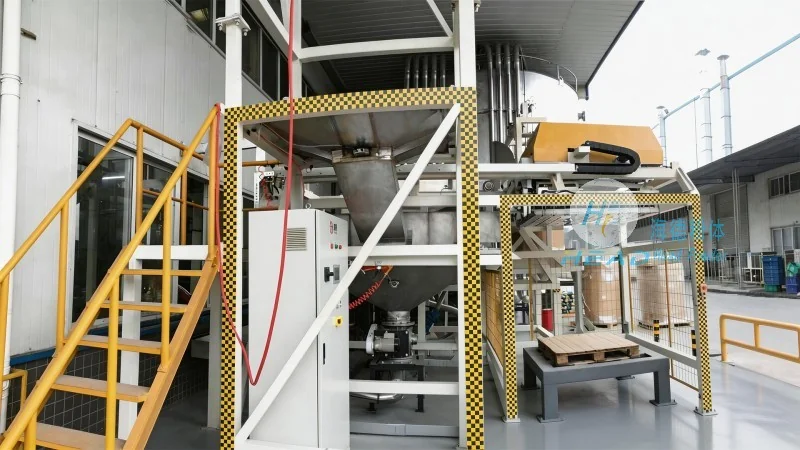
Understanding Flake Caustic Soda and Its Handling Challenges
Flake caustic soda, also known as sodium hydroxide (NaOH), is a highly caustic and reactive chemical commonly used in various industrial processes, including chemical manufacturing, water treatment, and paper production. Handling this material requires specialized equipment due to its corrosive nature and potential for dust generation. Traditional methods like belt conveyors or bucket elevators may pose challenges such as material spillage, equipment wear, and exposure risks to workers. Pneumatic conveying addresses these challenges by providing a closed system that prevents dust dispersion and ensures safe transport.
The Advantages of Pneumatic Conveying for Flake Caustic Soda
Pneumatic conveying systems utilize air or gas to transport solid materials through a pipeline network. In the context of flake caustic soda, this technology offers several key advantages. Firstly, it eliminates the need for direct contact between the material and equipment, reducing the risk of corrosion and equipment damage. Secondly, the closed system minimizes dust exposure, improving workplace safety and compliance with environmental regulations. Thirdly, pneumatic conveying can handle varying material flow rates and distances, making it adaptable to different production scales. Additionally, it reduces labor costs by automating the material transport process, allowing workers to focus on other critical tasks.
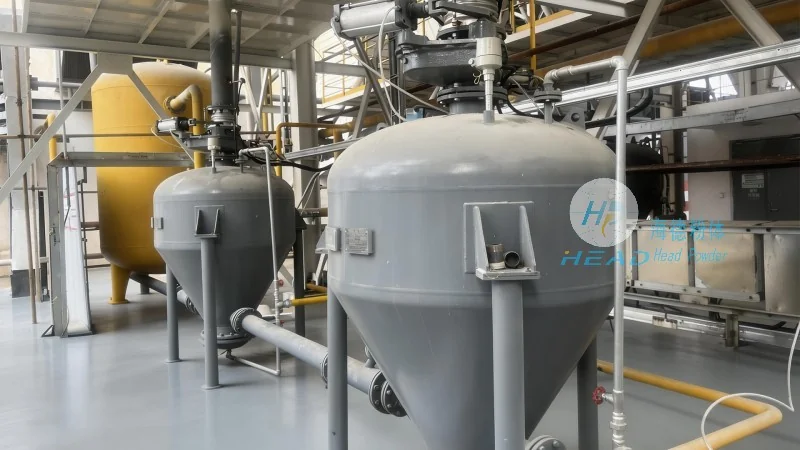
How Pneumatic Conveying Works in Flake Caustic Soda Transportation
A typical pneumatic conveying system for flake caustic soda consists of a hopper, a conveyor line, and a discharge point. The material is fed into the hopper, where it is then drawn into the conveyor line by a vacuum or pressure system. The air flow carries the flake caustic soda through the pipeline to the destination, such as a storage tank or processing unit. The system can be designed as either a vacuum or pressure system, depending on the application requirements. Vacuum systems are often used for short-distance transport, while pressure systems are suitable for longer distances or when the material needs to be transported against gravity.
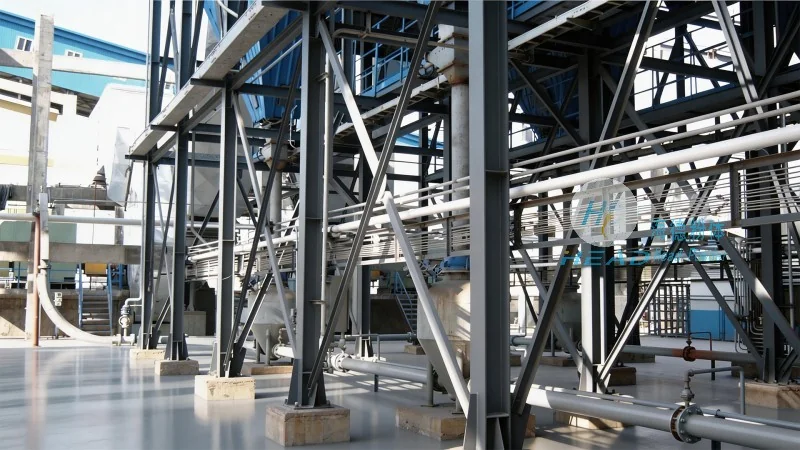
Applications of Pneumatic Conveying in Industrial Settings
Pneumatic conveying is widely used in various industries for flake caustic soda transportation. In chemical plants, it is employed to move caustic soda from storage silos to reactors or processing units. In water treatment facilities, the system can transport caustic soda to dosing systems for pH adjustment. Additionally, in paper mills, pneumatic conveying is used to deliver caustic soda to the pulping and bleaching processes. The flexibility of pneumatic conveying allows it to be integrated into existing production lines, enhancing overall operational efficiency.
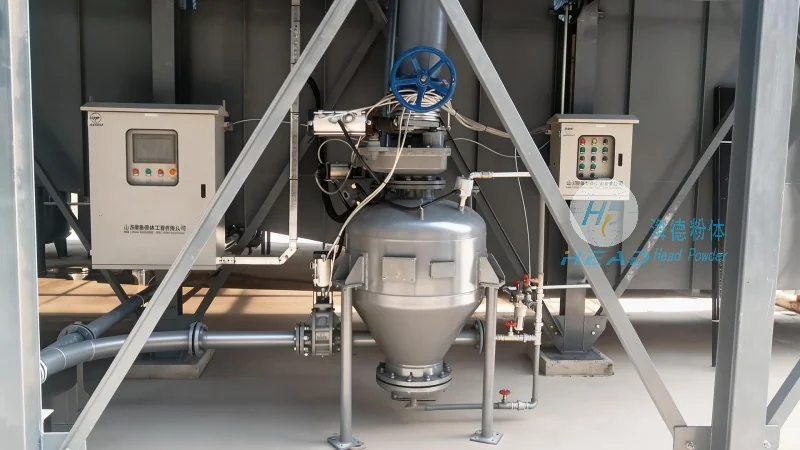
Key Considerations for Implementing Pneumatic Conveying Systems
When implementing a pneumatic conveying system for flake caustic soda, several factors must be considered to ensure optimal performance. Material properties, such as particle size, density, and moisture content, play a critical role in system design. The system must be constructed from corrosion-resistant materials, such as stainless steel, to withstand the caustic nature of the material. Additionally, proper maintenance and cleaning procedures are essential to prevent material buildup and ensure long-term system reliability. Regular inspections and component replacements are recommended to maintain the system's efficiency and safety.
Conclusion: The Role of Pneumatic Conveying in Efficient Flake Caustic Soda Handling
Pneumatic conveying has become an indispensable technology in the transportation of flake caustic soda, offering significant benefits in terms of efficiency, safety, and cost-effectiveness. By providing a closed, automated system for material transport, it addresses the challenges associated with traditional handling methods. As industries continue to prioritize operational efficiency and safety, pneumatic conveying systems will remain a key solution for flake caustic soda handling. Companies like Shandong HeadPowder Engineering Co., Ltd. specialize in designing and manufacturing such systems, ensuring that industries can meet their production needs while maintaining compliance with safety and environmental standards.