Coal ash, a byproduct of coal combustion, is commonly found in power plants and industrial facilities. Efficient and reliable conveying of coal ash particles is crucial for waste management and resource utilization. Shandong HeadPowder Engineering Co., Ltd., a leading provider in the field, offers various methods tailored to different operational needs. This article explores the primary methods used for coal ash particle conveying, highlighting their applications and benefits.
1. Mechanical Conveying Systems
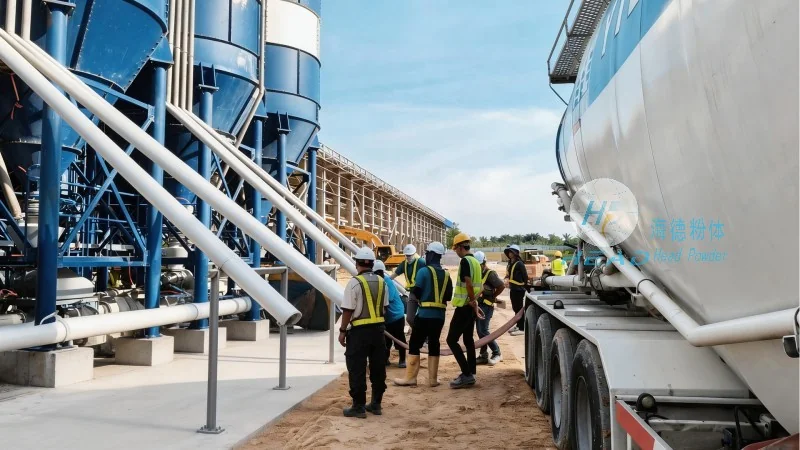
Mechanical conveying systems are widely used for coal ash particle transport due to their robustness and adaptability. These systems typically involve components such as belt conveyors, screw conveyors, and bucket elevators. Belt conveyors are particularly effective for long-distance horizontal or slight incline transport, capable of handling large volumes of ash particles with minimal maintenance. Screw conveyors, on the other hand, are ideal for vertical or inclined transport, utilizing a rotating screw to move material through a tube. Bucket elevators provide high-capacity vertical transport, making them suitable for elevating ash from lower to higher levels in a facility. The choice of mechanical system depends on factors like particle size, moisture content, and the required transport distance.
2. Pneumatic Conveying Systems
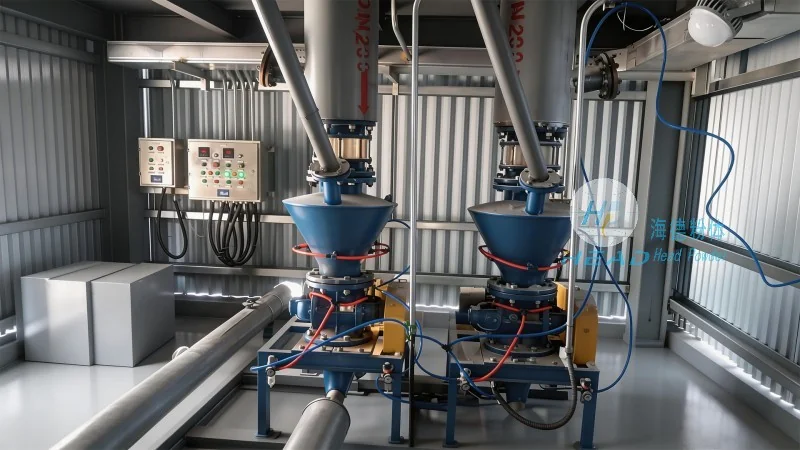
Pneumatic conveying systems utilize air or gas to transport coal ash particles. These systems are divided into two main types: dilute-phase and dense-phase. Dilute-phase pneumatic conveying uses high-velocity air to suspend particles and move them through a pipeline, suitable for short to medium distances and low to medium particle loads. Dense-phase pneumatic conveying, in contrast, uses lower air velocities and higher particle concentrations, enabling the transport of larger particles and longer distances with less pressure drop. Pneumatic systems offer advantages such as enclosed transport, which reduces dust emissions and improves safety. However, they require careful design to ensure efficient air-particle mixing and prevent system blockages.
3. Hydraulic Conveying Systems
Hydraulic conveying systems employ water to transport coal ash particles, often referred to as slurry transport. This method is particularly effective for handling wet or fine ash particles that are difficult to convey mechanically. The ash is mixed with water to form a slurry, which is then pumped through pipelines using centrifugal or positive displacement pumps. Hydraulic systems are commonly used in applications where the ash needs to be transported over long distances or to treatment facilities. However, they require additional equipment for slurry dewatering and water recycling, which can increase operational costs. The efficiency of hydraulic conveying depends on the ash's moisture content and the system's pumping capacity.
4. Combination Conveying Systems
In many industrial settings, a combination of mechanical and pneumatic or hydraulic systems may be employed to optimize coal ash transport. For example, a mechanical conveyor might feed ash into a pneumatic system for final delivery to a storage or treatment area. This integrated approach allows for flexibility in handling different particle sizes and transport conditions. Shandong HeadPowder Engineering Co., Ltd. specializes in designing and implementing such customized solutions, ensuring that clients receive systems tailored to their specific operational requirements and environmental constraints.
5. Factors Influencing Conveying Method Selection
The selection of an appropriate coal ash particle conveying method involves considering several key factors. Particle size and density are critical, as larger or denser particles may require more powerful systems. Moisture content also plays a role, as wet ash can affect the performance of mechanical systems and increase the viscosity of slurry in hydraulic systems. The distance and elevation changes between the ash source and destination are additional considerations, as they impact the energy requirements and system complexity. Environmental regulations and safety standards must also be taken into account, as some conveying methods may have stricter emission controls. By evaluating these factors, facilities can choose the most efficient and cost-effective conveying method for their coal ash management needs.
6. Maintenance and Operational Considerations
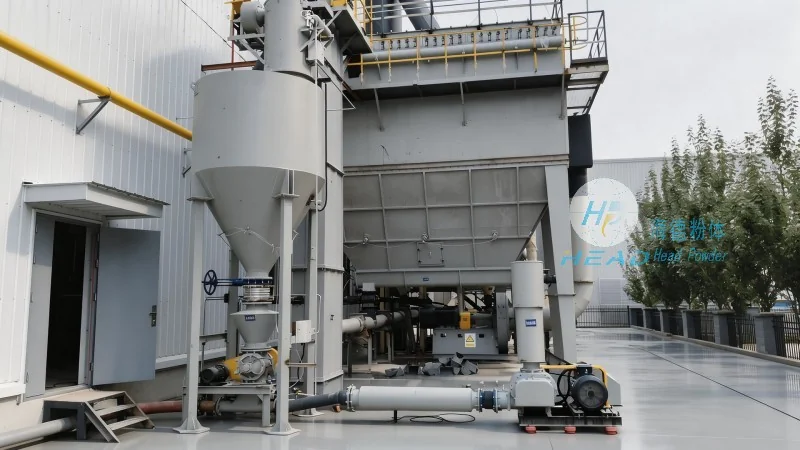
Proper maintenance is essential to ensure the longevity and efficiency of coal ash conveying systems. Regular inspections of mechanical components, such as belts and screws, are necessary to prevent wear and tear. For pneumatic systems, filters and air compressors need routine maintenance to maintain air quality and system performance. Hydraulic systems require monitoring of water quality and pump efficiency to avoid clogging or reduced transport capacity. Operational considerations include monitoring particle flow rates, pressure drops, and system temperatures to detect potential issues early. Shandong HeadPowder Engineering Co., Ltd. provides comprehensive maintenance services and technical support to help clients optimize their conveying systems and minimize downtime.
7. Case Studies and Applications
Shandong HeadPowder Engineering Co., Ltd. has successfully implemented various coal ash conveying solutions for clients across different industries. For instance, a power plant in Shandong, China, utilized a combination of belt conveyors and pneumatic systems to transport ash from the boiler to a storage silo, achieving a 20% reduction in transport time and 15% decrease in operational costs. Another client, a cement manufacturing facility, implemented a hydraulic conveying system to transport fine ash to a grinding mill, improving the quality of raw materials and increasing production efficiency. These case studies demonstrate the effectiveness of tailored conveying systems in enhancing operational performance and reducing environmental impact.
8. Future Trends in Coal Ash Conveying
As technology advances, new methods and materials are being developed to improve coal ash particle conveying. For example, advancements in material handling equipment, such as high-capacity belt conveyors and energy-efficient pneumatic systems, are enhancing system performance. The integration of automation and control systems allows for real-time monitoring and adjustment of conveying parameters, optimizing efficiency and reducing energy consumption. Additionally, the development of more sustainable materials and processes is addressing environmental concerns associated with ash transport. Shandong HeadPowder Engineering Co., Ltd. remains committed to staying at the forefront of these technological advancements, providing innovative solutions that meet the evolving needs of the industry.




