When it comes to the efficient and reliable transportation of fertilizer granules, selecting the right conveying method is crucial for optimizing production processes and ensuring product integrity. Shandong HeadPowder Engineering Co., Ltd., a leading manufacturer based in China, specializes in providing advanced solutions tailored to the unique needs of the fertilizer industry. This article explores various methods for fertilizer granule conveying, highlighting the key considerations and applications that help businesses enhance their operational efficiency.
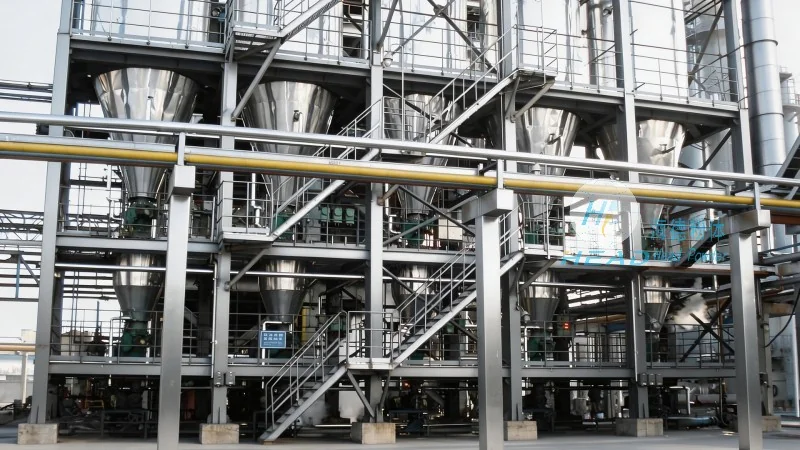
1. Mechanical Conveying Systems
Mechanical conveying systems are among the most common and reliable methods for transporting fertilizer granules. These systems utilize mechanical components such as belts, screws, and buckets to move material from one point to another. For instance, HeadPowder offers high-quality belt conveyors and screw conveyors designed to handle various types of fertilizer granules, including nitrogen, phosphorus, and potassium compounds. The mechanical design ensures minimal product degradation, making it suitable for both bulk and packaged fertilizer applications. These systems are particularly effective in environments where power availability is consistent and where the need for gentle handling of granules is paramount.
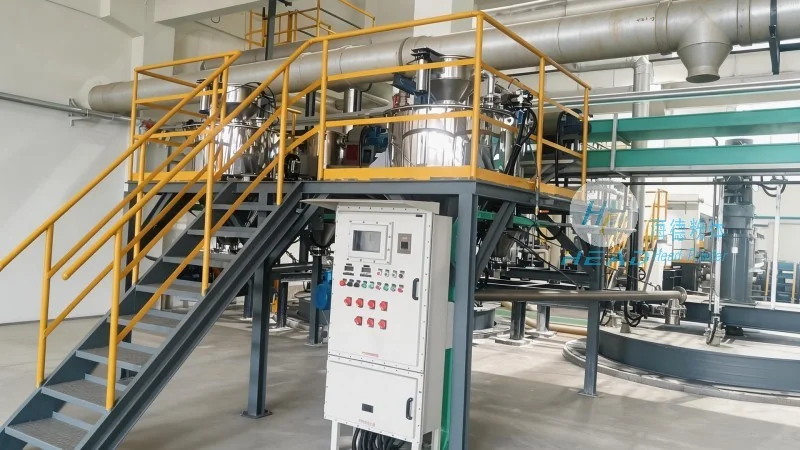
2. Pneumatic Conveying Systems
Pneumatic conveying, also known as air conveying, uses compressed air to transport fertilizer granules through a pipeline. This method is ideal for applications requiring long-distance or high-volume transport, as it can move material over significant distances with minimal maintenance. HeadPowder's pneumatic conveying solutions include positive displacement blowers and vacuum pumps that ensure efficient and consistent material flow. The system's flexibility allows for integration with existing production lines, making it a popular choice for fertilizer manufacturers seeking to streamline their operations. Pneumatic conveyors are particularly advantageous in preventing cross-contamination and maintaining product purity, which is critical for high-quality fertilizer products.
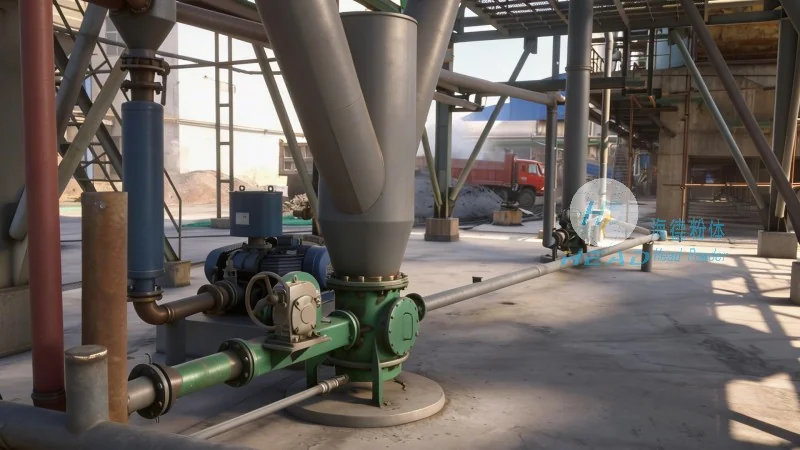
3. Hydraulic Conveying Systems
Hydraulic conveying systems employ fluid power to move fertilizer granules through a pipeline. This method is often used in scenarios where the fertilizer has a high moisture content or is prone to caking. HeadPowder's hydraulic conveying solutions utilize specialized pumps and valves to ensure smooth and controlled movement of the material. The system's ability to handle abrasive and sticky granules makes it suitable for challenging applications, such as transporting wet or sticky fertilizer blends. Hydraulic conveyors are designed to minimize wear and tear, ensuring long-term operational reliability and reducing maintenance costs over time.
4. Gravity Conveying Systems
Gravity conveying systems rely on the natural force of gravity to move fertilizer granules from a higher elevation to a lower one. This method is simple, cost-effective, and requires minimal energy input. HeadPowder's gravity conveyors are typically used in applications where the material can be safely and efficiently moved without the need for mechanical assistance. The system's design ensures that the granules flow smoothly and without blockages, making it ideal for short-distance transport within a facility. Gravity conveyors are particularly effective for handling dry, free-flowing granules and are often integrated with other conveying systems to create a comprehensive material handling solution.
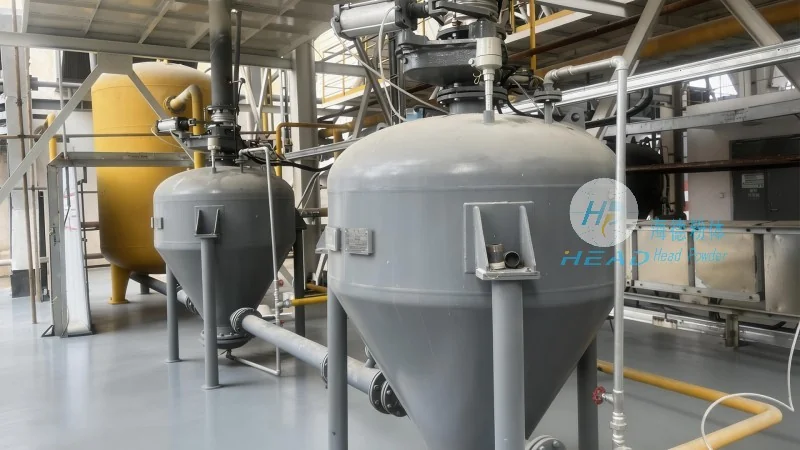
5. Combination Conveying Systems
In many fertilizer production facilities, a single conveying method may not be sufficient to meet all operational requirements. HeadPowder offers combination conveying systems that integrate multiple technologies to provide a versatile and efficient solution. These systems may combine mechanical, pneumatic, and gravity components to handle different stages of the fertilizer production process. For example, a combination system might use a belt conveyor to transport granules from a storage silo to a pneumatic conveyor for long-distance transport to a packaging line. The flexibility of these systems allows manufacturers to adapt to changing production needs and optimize their overall material handling strategy. By integrating multiple conveying methods, businesses can achieve higher throughput, reduce energy consumption, and improve overall operational efficiency.




