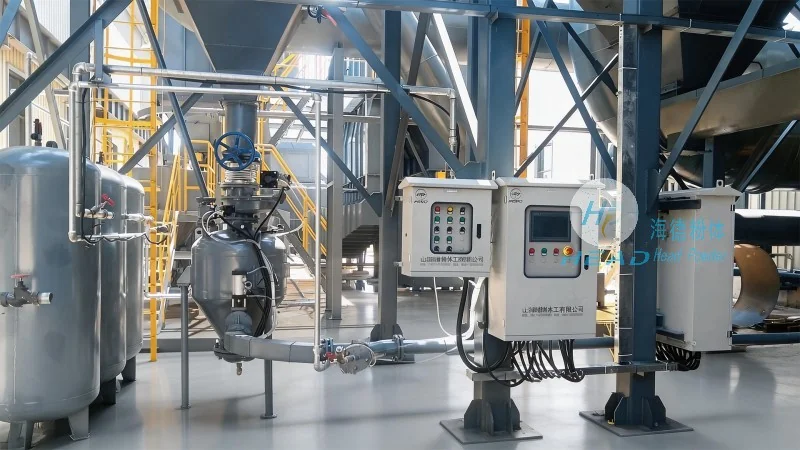
Efficient and reliable solid powder conveying is a critical aspect of many industrial processes, ensuring the smooth transfer of materials from one location to another while maintaining product integrity and operational efficiency. For industries dealing with powders such as chemicals, food products, pharmaceuticals, and minerals, selecting the appropriate conveying method is essential to avoid issues like material degradation, contamination, or equipment failure. This article explores various methods commonly employed for solid powder conveying, highlighting the key considerations and applications for each approach.
Understanding the Importance of Solid Powder Conveying
In industrial settings, the ability to transport solid powders safely and effectively is paramount. Poor conveying systems can lead to production bottlenecks, increased maintenance costs, and potential safety hazards. Conversely, an optimized conveying system enhances productivity, reduces downtime, and ensures consistent product quality. The choice of conveying method depends on several factors, including the properties of the powder (e.g., particle size, moisture content, flowability), the distance and elevation changes required, and the specific application requirements. By understanding these factors, businesses can select the most suitable conveying solution for their needs.
Common Methods for Solid Powder Conveying
There are several established methods for conveying solid powders, each with its own advantages and limitations. The primary methods include mechanical conveyors, pneumatic (air) conveying systems, and hybrid systems that combine elements of both. Below is a detailed overview of each approach.
Mechanical Conveyors
Mechanical conveyors are among the most widely used methods for solid powder handling. These systems utilize mechanical components to move materials, offering a reliable and cost-effective solution for many applications. The most common types of mechanical conveyors include belt conveyors, screw conveyors, and chain conveyors.
Belt conveyors are ideal for transporting powders over short to medium distances and gentle inclines. They consist of a continuous belt that moves over rollers or pulleys, carrying the material from the feed point to the discharge point. Belt conveyors are particularly suitable for bulk materials with moderate flowability, such as grains, cement, and certain chemical powders. The design allows for easy integration with other equipment, making them a versatile choice for various industrial processes.
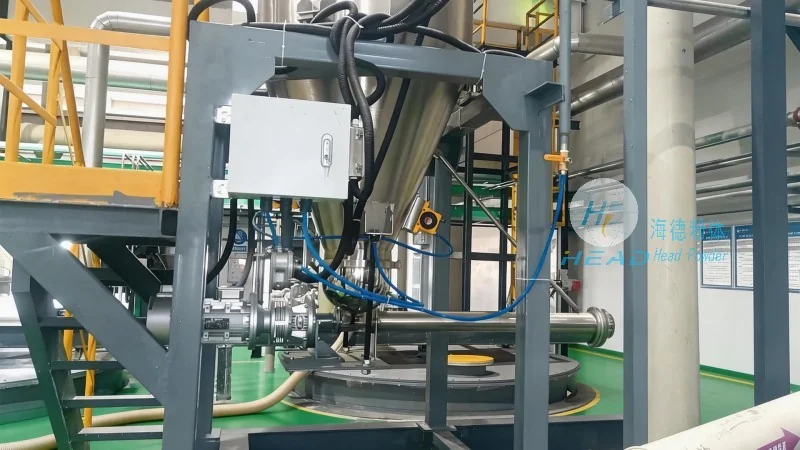
Screw conveyors, also known as auger conveyors, use a rotating screw to push material forward. These conveyors are highly effective for materials with low to moderate flowability and are commonly used in applications like feed processing, pharmaceutical manufacturing, and food processing. Screw conveyors can handle vertical and horizontal transport, making them adaptable to different layout requirements. However, they may not be suitable for highly abrasive or sticky powders, as this can lead to increased wear and maintenance.
Chain conveyors, similar to screw conveyors, use a chain with attached flights to move material. They are particularly effective for handling heavy or dense powders and can operate under high loads. Chain conveyors are often used in mining and construction industries, where the material being conveyed is large or has high abrasiveness. These systems are known for their durability and ability to handle harsh operating conditions.
Pneumatic Conveying Systems
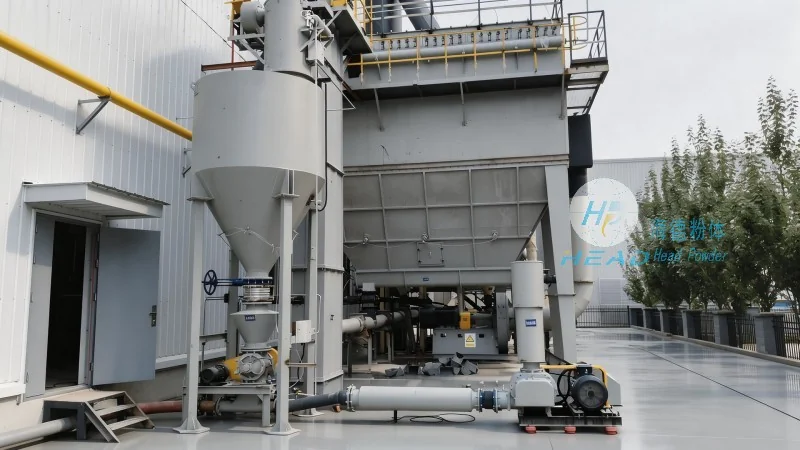
Pneumatic conveying, or air conveying, uses compressed air to transport solid powders through a pipeline. This method is particularly effective for materials that are difficult to handle mechanically, such as fine powders, powders with high moisture content, or materials that are prone to caking. Pneumatic systems can be categorized into two main types: pressure and vacuum systems.
Pressure pneumatic conveying systems operate by blowing air or gas into a sealed pipeline, creating a positive pressure that propels the material forward. These systems are suitable for short to medium distances and can handle a wide range of powder types. They are commonly used in applications like chemical processing, where the material needs to be transported from a storage silo to a processing unit. Pressure systems are known for their ability to maintain product integrity and minimize contamination, as the material is enclosed within the pipeline.
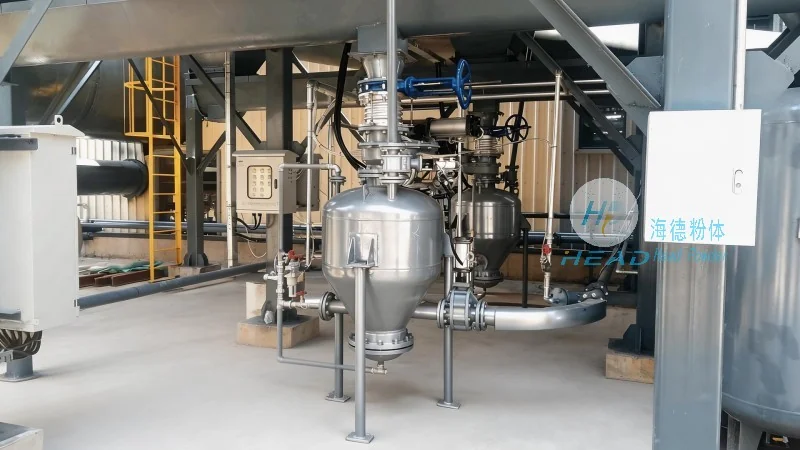
Vacuum pneumatic conveying systems, on the other hand, use a vacuum to draw material into the pipeline. This method is ideal for applications requiring long-distance transport or where the material needs to be moved from multiple sources to a central location. Vacuum systems are often used in food processing and pharmaceutical industries, where the material must be handled gently to avoid degradation. These systems can handle fine powders and are effective for transporting materials from elevated or remote locations.
Hybrid Conveying Systems
Hybrid conveying systems combine elements of mechanical and pneumatic methods to address the limitations of each approach. For example, a screw conveyor may be integrated with a pneumatic system to enhance the transport of sticky or abrasive powders. This combination allows for the benefits of both systems, such as the mechanical handling of heavy loads and the gentle transport of fine powders via air.
Another hybrid approach involves using a belt conveyor to transport material to a pneumatic system, which then transports it to the final destination. This method is particularly useful for applications requiring both bulk handling and precise control over the material flow. Hybrid systems are often used in complex industrial processes where multiple conveying tasks need to be performed efficiently.
Key Considerations for Selecting a Conveying Method
When choosing a solid powder conveying method, several factors must be considered to ensure optimal performance and cost-effectiveness. The first consideration is the properties of the powder itself. Factors such as particle size, moisture content, flowability, and abrasiveness will influence the choice of conveyor type. For example, fine powders with high moisture content may require a pneumatic system to avoid caking and ensure smooth transport, while coarse, abrasive materials may be better suited for mechanical conveyors.
Another critical factor is the distance and elevation changes required. Mechanical conveyors are generally more suitable for short to medium distances and gentle inclines, while pneumatic systems can handle longer distances and more significant elevation changes. The layout of the facility and the available space also play a role in the selection process. For example, in a compact facility, a screw conveyor may be preferred over a large belt conveyor due to space constraints.
Operational costs and maintenance requirements are also important considerations. Mechanical conveyors typically have lower initial costs and are easier to maintain than pneumatic systems, which require regular air filter changes and pressure maintenance. However, pneumatic systems may have lower long-term costs if they reduce material handling time and minimize downtime. The choice of conveying method should balance initial investment, operational expenses, and maintenance needs to achieve the best overall value.
Conclusion
Efficient solid powder conveying is essential for maintaining productivity and product quality in industrial applications. By understanding the various methods available and considering the specific requirements of the material and process, businesses can select the most suitable conveying solution. Whether using mechanical conveyors, pneumatic systems, or hybrid approaches, the goal is to ensure reliable, safe, and cost-effective transport of solid powders. Companies like Shandong HeadPowder Engineering Co., Ltd., with a focus on innovative conveying solutions, can provide tailored systems to meet the unique needs of different industries, ensuring optimal performance and operational efficiency.




