Efficient and reliable dry flocculant powder conveyance is crucial for various industrial applications, ensuring consistent performance and operational safety. As a leading provider in the field, Shandong HeadPowder Engineering Co., Ltd. specializes in delivering advanced solutions tailored to meet diverse industrial needs. This article explores the primary methods employed for the conveyance of dry flocculant powders, highlighting the key considerations and technologies involved.
Understanding the Importance of Proper Dry Flocculant Powder Conveyance
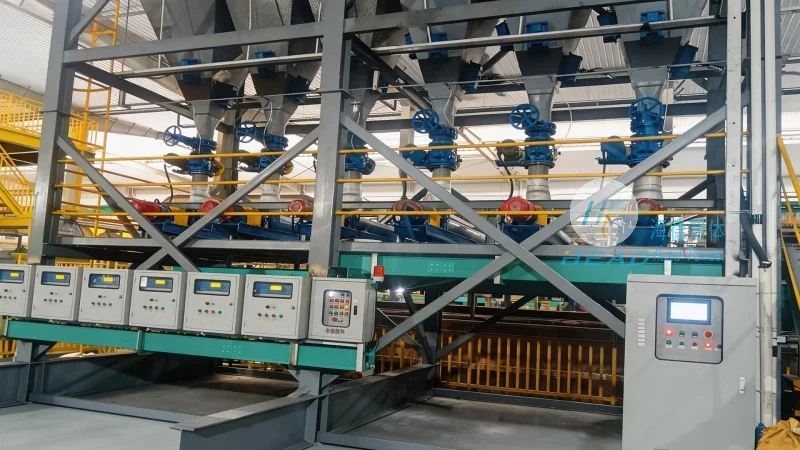
Before delving into specific conveyance methods, it is essential to understand why proper handling of dry flocculant powders is critical. Flocculants are widely used in water treatment, mining, and other industries to enhance solid-liquid separation processes. The effectiveness of these processes heavily relies on the uniform and controlled delivery of flocculant powders to the treatment points. Inadequate conveyance can lead to inconsistent dosing, reduced treatment efficiency, and increased operational costs. Therefore, selecting the right conveyance method is a pivotal decision for industrial operations.
Common Methods for Dry Flocculant Powder Conveyance
Several methods are commonly utilized for the transport of dry flocculant powders, each with its own advantages and limitations. The choice of method depends on factors such as the material characteristics, required conveying distance, system complexity, and operational environment. Below are some of the most prevalent approaches:
Screw Conveyors for Dry Flocculant Powder Transport
Screw conveyors, also known as auger conveyors, are among the most widely used equipment for dry powder conveyance. These systems consist of a rotating screw (auger) enclosed in a trough or tube, which moves the material forward through the conveyor. For flocculant powders, screw conveyors offer several benefits, including gentle material handling, minimal product degradation, and the ability to operate in both horizontal and inclined orientations. The design can be customized to handle different particle sizes and flow rates, making it suitable for a wide range of industrial applications. Additionally, screw conveyors are relatively low-maintenance and can be integrated with other processing equipment, such as dosing systems and storage silos.
Air-Pressure (Pneumatic) Conveying Systems
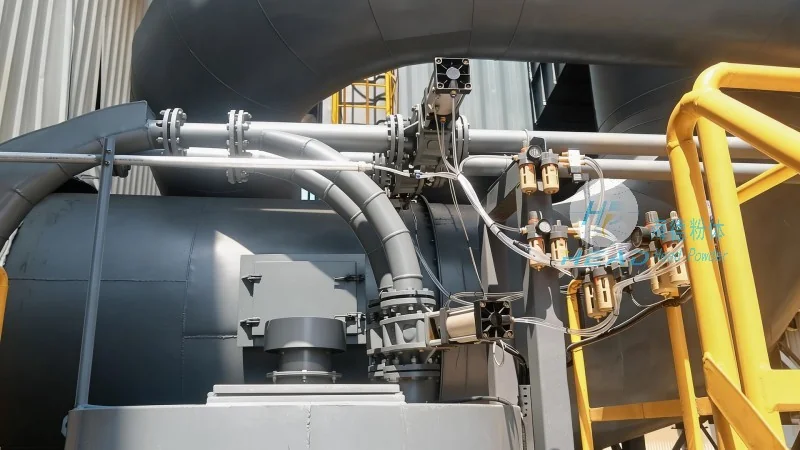
Air-pressure or pneumatic conveying systems utilize compressed air to transport dry powders through a pipeline. This method is particularly effective for conveying flocculant powders over longer distances or in environments where mechanical contact with the material is undesirable. Pneumatic conveyors can be categorized into two main types: pressure and vacuum systems. Pressure systems use compressed air to push the material through the pipeline, while vacuum systems draw the material using a vacuum pump. For flocculant powders, which may be sensitive to moisture or mechanical stress, pneumatic conveying offers a non-contact solution that minimizes product degradation and contamination. However, the system design must account for the specific properties of the flocculant, such as its dustiness and flowability, to ensure efficient and reliable operation.
Pump-Based Conveyance Solutions
Pump-based systems, including slurry pumps and positive displacement pumps, are another option for dry flocculant powder conveyance. These pumps are capable of handling powders mixed with liquids or slurry, allowing for the transport of flocculant solutions rather than dry powders. For applications where the flocculant needs to be dissolved or mixed with water before application, pump-based conveyance can be highly effective. Positive displacement pumps, such as gear pumps or progressing cavity pumps, are particularly suitable for handling viscous or shear-sensitive materials, ensuring consistent flow rates and preventing clogging. Slurry pumps, on the other hand, are designed to handle abrasive and high-density slurries, making them ideal for mining and industrial wastewater treatment applications where flocculants are used to settle solids.
Hybrid Conveyance Systems
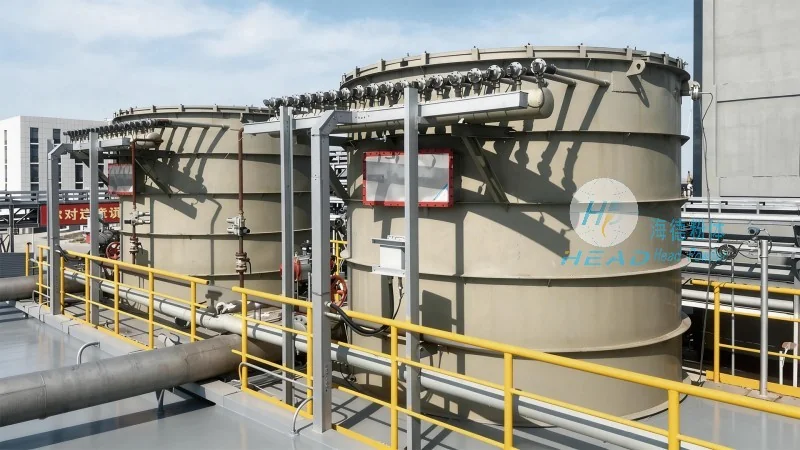
In many industrial settings, a single conveyance method may not be sufficient to meet all operational requirements. Hybrid systems combine two or more technologies to achieve optimal performance. For example, a screw conveyor might be used to feed a pneumatic conveying line, or a pump system could be integrated with a storage silo to ensure continuous material supply. Shandong HeadPowder Engineering Co., Ltd. specializes in designing and implementing hybrid conveyance solutions that address the unique challenges of each client's operation. These systems are engineered to enhance efficiency, reduce downtime, and improve overall process control. By leveraging the strengths of multiple technologies, hybrid systems provide a flexible and robust approach to dry flocculant powder conveyance.
Key Considerations for Selecting the Right Conveyance Method
When selecting a dry flocculant powder conveyance method, several factors must be carefully evaluated to ensure the best fit for the application. The first consideration is the physical properties of the flocculant powder, including particle size, density, moisture content, and flowability. Powders with high moisture content or poor flow characteristics may require specialized equipment, such as vibratory feeders or pre-drying systems, to improve their handling properties. The second factor is the conveying distance and layout of the system. Short-distance transport may be efficiently handled by screw conveyors, while long-distance or multi-level applications may benefit from pneumatic or pump-based systems. The third consideration is the operational environment, including the presence of dust, temperature, and pressure variations. For environments with high dust generation, dust collection and filtration systems must be integrated into the conveyance setup to ensure compliance with safety and environmental regulations. Finally, the cost and maintenance requirements of the chosen system should be evaluated, as these factors can significantly impact the long-term operational efficiency and profitability of the industrial process.
Conclusion
Efficient dry flocculant powder conveyance is a critical component of many industrial processes, and the choice of conveyance method plays a significant role in determining the overall performance and reliability of the system. Shandong HeadPowder Engineering Co., Ltd. offers a range of advanced conveyance solutions, including screw conveyors, pneumatic systems, and pump-based technologies, tailored to meet the specific needs of various industries. By understanding the importance of proper material handling and considering the key factors involved in conveyance system selection, industrial operations can enhance their process efficiency, reduce costs, and ensure consistent product quality. Whether for water treatment, mining, or other applications, the right conveyance method can make a substantial difference in achieving optimal operational outcomes.




