What Methods Can Be Used for Sintering Dust Ash Conveying?
Release time:2026-09-10 19:38:30
name of the company:Shandong Headpowder Engineering Co., Ltd.
telephone:156-6277-7102
contacts:Zhang manager
For sintering plants, the efficient and reliable transportation of dust ash is crucial to maintaining production efficiency and environmental compliance. The choice of conveying method directly impacts operational costs, safety, and the overall sustainability of the sintering process. This article explores various methods for conveying sintering dust ash, providing insights into the options available for different industrial applications.
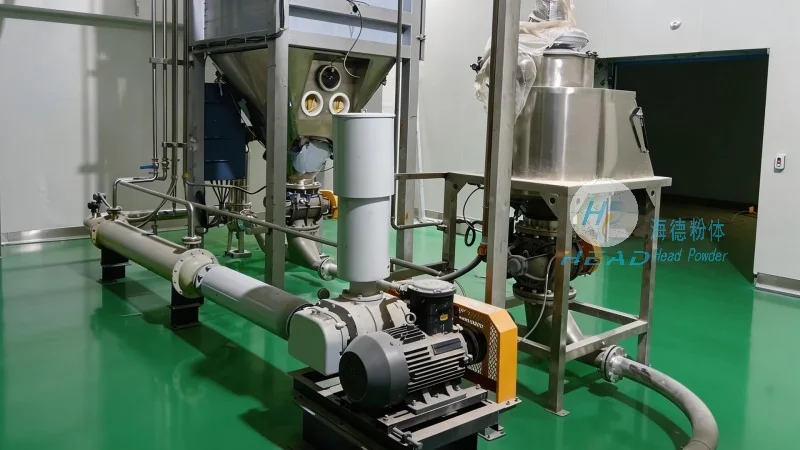
Overview of Sintering Dust Ash Conveying
Sintering dust ash, also known as sintering dust or sintering fly ash, is a byproduct generated during the sintering process in steel and iron production. This fine particulate material requires specialized handling to prevent dust emissions and ensure safe transport. The selection of a conveying system depends on factors such as the dust ash's properties (e.g., moisture content, particle size, bulk density), the distance to be transported, and the plant's layout. Below are some common methods used for sintering dust ash conveyance.
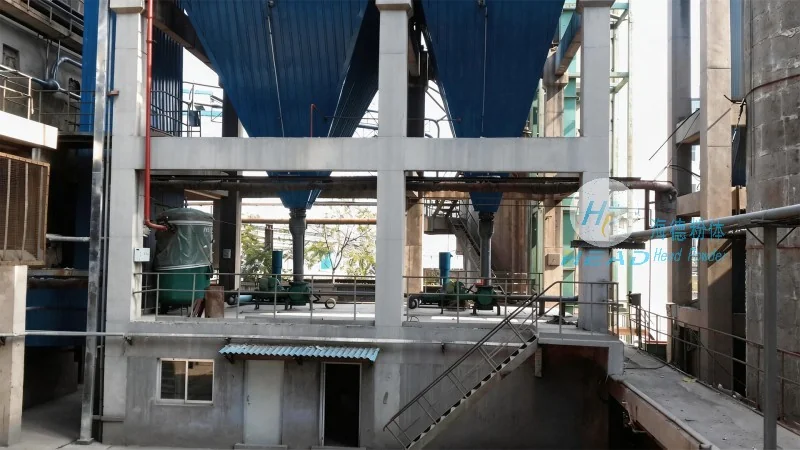
1. Belt Conveyor System
One of the most widely used methods for transporting bulk materials, including sintering dust ash, is the belt conveyor. This system consists of a continuous loop of a flexible belt that moves over rollers or pulleys. The belt is supported by idlers and driven by a motor, allowing for the smooth and continuous movement of the material from the source to the destination. Belt conveyors are particularly suitable for long-distance transport and can handle large volumes of dust ash with minimal maintenance. They are also relatively low-cost to install and operate, making them an attractive option for many sintering plants. The belt material is typically chosen based on the dust ash's properties to prevent abrasion and ensure durability. For example, a rubber or PVC-coated belt may be used for dusty or abrasive materials like sintering dust ash. The system can be designed with multiple inclines and declines, adapting to the plant's layout while maintaining efficient material flow. However, belt conveyors require regular cleaning and maintenance to prevent material buildup and ensure the belt's longevity. They are also less suitable for vertical transport or where space is limited, as the required length and height may be impractical.
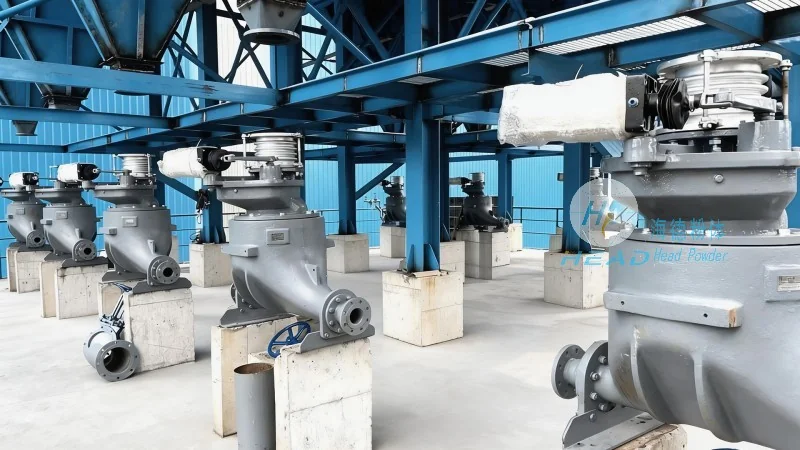
2. Pneumatic Conveying System
Pneumatic conveying, or air-pneumatic transport, is another effective method for moving sintering dust ash. This system uses air pressure or vacuum to transport the material through a pipeline. There are two main types of pneumatic conveying: positive pressure and negative pressure. Positive pressure systems blow air into the pipeline, pushing the material forward, while negative pressure systems create a vacuum to draw the material into the pipe. Pneumatic conveying is ideal for transporting fine, dry dust ash over moderate distances, as it can handle materials with high moisture content or sticky properties. The system is enclosed, which helps to contain dust emissions and improve safety. It is also relatively flexible, as the pipeline can be routed around obstacles and adapted to changes in the plant layout. However, pneumatic conveying systems require more energy compared to belt conveyors and may have higher initial costs due to the need for air compressors or vacuum pumps. The material's particle size and moisture content are critical factors, as overly fine or moist material can cause blockages or reduce system efficiency. Proper filtration and cleaning of the air system are also necessary to prevent dust buildup and maintain performance.




