When it comes to handling iron sand, selecting the right conveying method is crucial for efficiency and cost-effectiveness. Iron sand, a key material in various industrial applications, requires reliable and efficient transport solutions. This article provides a detailed comparison of common iron sand conveying methods, helping you make an informed decision for your specific needs.
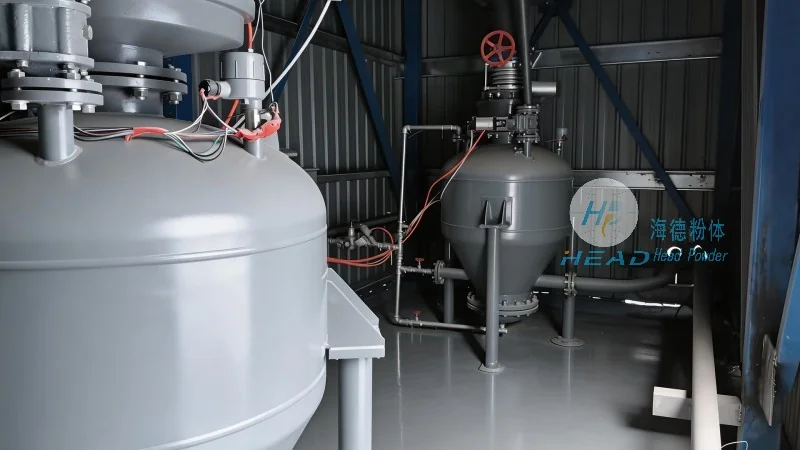
1. Screw Conveyors for Iron Sand Transport
Screw conveyors, also known as auger conveyors, are widely used for iron sand transport due to their simplicity and effectiveness. These systems consist of a rotating screw (auger) inside a trough, which moves material along the conveyor path. The design allows for vertical and horizontal transport, making them versatile for different layouts. For iron sand, screw conveyors are particularly suitable for moderate volumes and when a compact design is needed. The smooth operation and low maintenance requirements make them a popular choice in many industrial settings. HeadPowder, a leading manufacturer in this field, offers high-quality screw conveyors tailored to handle iron sand with precision and durability.
2. Belt Conveyors: A Robust Solution for Iron Sand Handling
Belt conveyors are another common choice for iron sand conveying, especially in large-scale operations. These systems use a continuous belt to transport material over long distances and at higher capacities. The robust construction of belt conveyors ensures they can handle the abrasive nature of iron sand, reducing wear and tear over time. With adjustable speed and inclination, belt conveyors offer flexibility in handling different iron sand types and processing requirements. HeadPowder’s belt conveyor solutions are engineered to deliver consistent performance, supporting efficient production lines and minimizing downtime. The durability and reliability of these systems make them a trusted option for industries relying on steady iron sand supply.
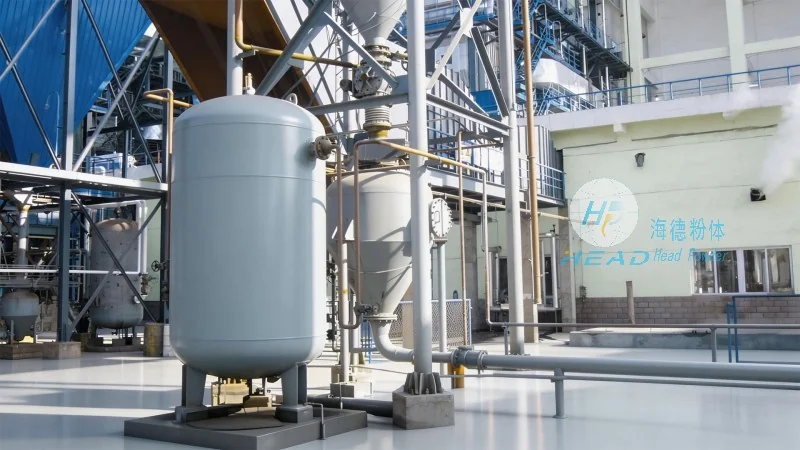
3. Pneumatic Conveying Systems: The Air-Driven Approach
Pneumatic conveying systems use air pressure to transport iron sand through a pipeline network. This method is ideal for handling fine or dusty iron sand, as it prevents material loss and contamination. The flexibility of pneumatic systems allows for complex layouts and multiple delivery points, making them suitable for diverse industrial applications. While initial setup costs may be higher, the long-term benefits of reduced maintenance and improved material handling efficiency often outweigh the investment. HeadPowder provides advanced pneumatic conveying solutions that ensure smooth and controlled transport of iron sand, maintaining product quality throughout the process.
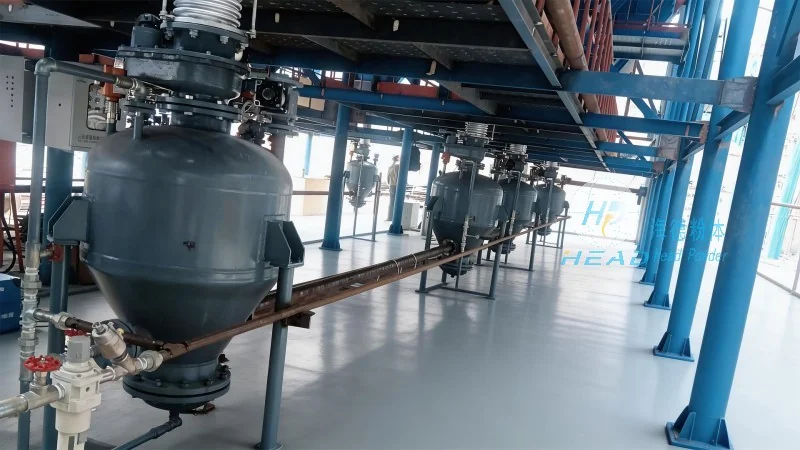
4. Comparing the Conveying Methods: Key Factors to Consider
When comparing iron sand conveying methods, several factors should be considered to ensure the best fit for your operation. Capacity requirements, material characteristics (such as particle size and moisture content), and the layout of your facility are critical. Screw conveyors excel in compact spaces and moderate loads, while belt conveyors are better for high-volume, long-distance transport. Pneumatic systems offer flexibility and dust control but may require more energy. Cost, maintenance, and operational efficiency are also key considerations. HeadPowder’s expertise in iron sand handling helps clients evaluate these factors and select the most suitable conveying method, ensuring optimal performance and cost savings.
Conclusion: Choosing the Right Iron Sand Conveying Method
Selecting the appropriate iron sand conveying method is essential for maintaining productivity and efficiency in industrial processes. By understanding the strengths and limitations of each option—screw conveyors, belt conveyors, and pneumatic systems—businesses can make informed decisions that align with their specific needs. HeadPowder, with its commitment to quality and innovation, offers tailored solutions that enhance iron sand transport, supporting the success of various industries. Whether you need a compact screw conveyor for small-scale operations or a robust belt conveyor for large-scale production, HeadPowder provides reliable and efficient equipment to meet your iron sand conveying requirements.




