When it comes to transporting sediment, various methods are employed depending on the specific requirements of the project, such as the distance, volume, and nature of the sediment being moved. Understanding the differences between these methods is crucial for selecting the most efficient and cost-effective solution. This article provides a detailed comparison of common sediment transport methods, highlighting their applications, advantages, and limitations.
1. Pipeline Transport
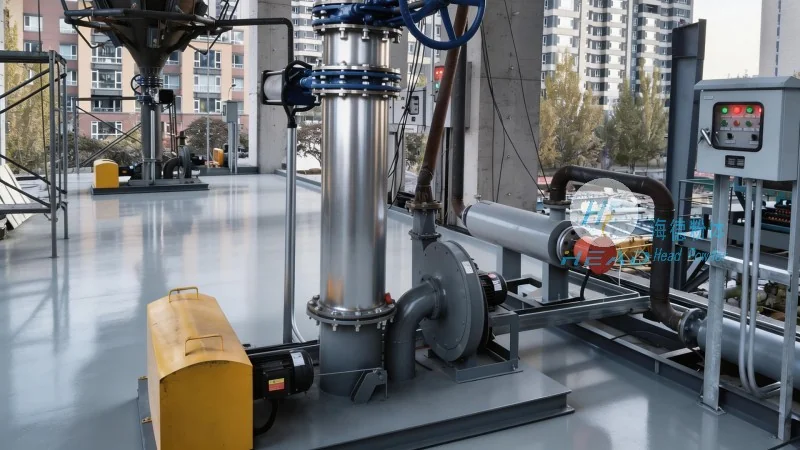
Pipeline transport is one of the most widely used methods for moving sediment, especially in large-scale projects. This method involves using a closed system of pipes to convey sediment from the source to the destination. The system typically includes pumps, valves, and other equipment to control the flow and pressure. The main advantage of pipeline transport is its ability to handle large volumes of sediment over long distances with minimal environmental impact. It is particularly suitable for projects where the sediment is abrasive or contains hazardous materials, as the closed system prevents contamination. However, the initial investment for pipeline construction can be high, and maintenance costs may be significant over time. The method is also less flexible for changing routes or adjusting flow rates compared to other options.
2. Pumping Systems
Pumping systems are another common approach for sediment transport, often used in conjunction with pipelines or open channels. These systems utilize pumps to move sediment through a pipeline or open waterway. The choice of pump type depends on the characteristics of the sediment, such as its density, viscosity, and particle size. Centrifugal pumps are commonly used for transporting water with suspended solids, while positive displacement pumps may be preferred for thicker slurries. The key benefits of pumping systems include their ability to maintain a consistent flow rate and pressure, which is essential for controlling the movement of sediment. They also allow for the transportation of sediment over uneven terrain or through obstacles. However, pumping systems require regular maintenance to ensure optimal performance and can be affected by power outages or mechanical failures. The cost of pumps and associated equipment can also be a significant factor, especially for large-scale operations.
3. Gravity Flow
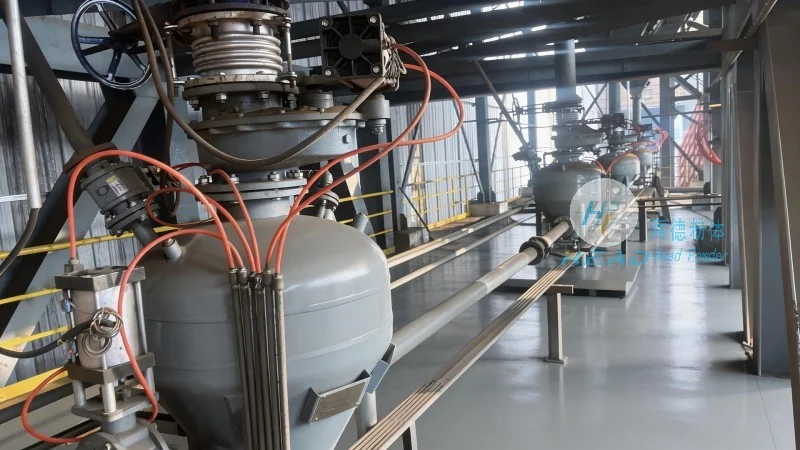
Gravity flow is a method where sediment is transported by the force of gravity, typically through open channels or ditches. This approach is often used in areas with natural slopes or where the terrain is suitable for creating a downhill path. The main advantage of gravity flow is its low operational cost, as it does not require pumps or other mechanical equipment. It is also environmentally friendly, as it minimizes the use of energy and reduces the risk of contamination. Gravity flow is particularly effective for transporting sediment over short distances or in areas with minimal elevation changes. However, the method is limited by the topography of the site and may not be feasible for projects requiring precise control over the flow rate or direction. The risk of erosion and sediment deposition can also be a concern, especially in areas with steep slopes or unstable soil.
4. Trough and Flume Systems
Trough and flume systems are specialized structures designed to transport sediment through a controlled channel. These systems are often used in industrial or mining applications where the sediment is being processed or treated. The trough or flume is typically made of concrete or metal and is designed to handle specific flow rates and sediment characteristics. The main advantage of these systems is their ability to maintain a consistent flow and prevent sediment deposition, which can be a problem in open channels. They also allow for easier monitoring and control of the sediment movement. However, the construction of trough and flume systems can be complex and expensive, especially for large-scale projects. Maintenance is also required to ensure that the channels remain clear and free of debris.
5. Truck and Heavy Machinery Transport
For short distances or in areas where other methods are not feasible, truck and heavy machinery transport is used. This method involves loading sediment into trucks or other vehicles and transporting it to the destination. The main advantage of this approach is its flexibility and ability to reach remote or inaccessible locations. It is also suitable for transporting large volumes of sediment quickly. However, truck transport can be costly due to fuel expenses and the need for specialized equipment. It also has a higher environmental impact compared to other methods, as it generates emissions and can cause traffic congestion. The method is also less efficient for long distances or large-scale projects, as it may require multiple trips.
6. Combination Methods
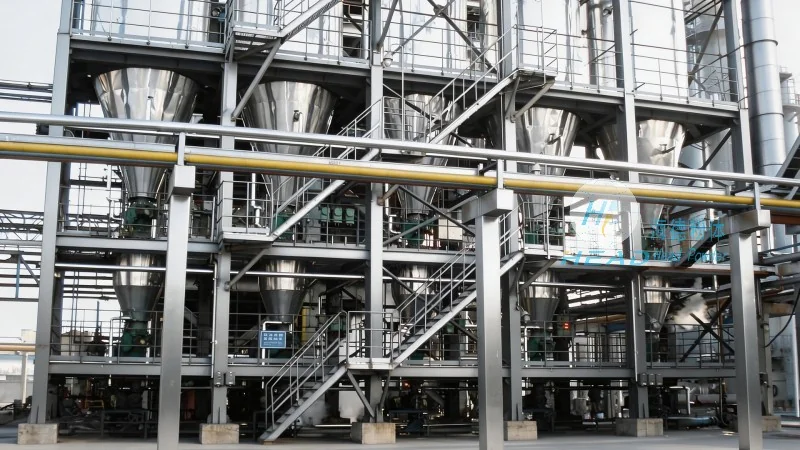
In many cases, a combination of the above methods is used to achieve the best results. For example, a pipeline system may be used to transport sediment from the source to a processing plant, where it is then pumped through a trough system for further treatment. This approach allows for the advantages of each method to be utilized while minimizing their limitations. The choice of combination method depends on the specific project requirements, such as the distance, volume, and nature of the sediment, as well as the available resources and budget.
HeadPowder, a leading provider of engineering solutions, specializes in designing and implementing efficient sediment transport systems. With years of experience in the industry, HeadPowder understands the importance of selecting the right method for each project. The company's team of experts works closely with clients to assess their needs and recommend the most suitable solution. Whether it's pipeline transport, pumping systems, or a combination of methods, HeadPowder ensures that the sediment is transported safely, efficiently, and cost-effectively. HeadPowder's commitment to quality and customer satisfaction has made it a trusted partner for projects worldwide. With its headquarters in Shandong, China, HeadPowder continues to innovate and provide cutting-edge solutions for sediment transport challenges.




