When it comes to the efficient handling and transportation of sanding powders in industrial applications, selecting the right conveying method is crucial for maintaining productivity and ensuring product quality. Shandong HeadPowder Engineering Co., Ltd., a leading manufacturer in the field, specializes in providing advanced solutions for sanding powder processing. This article provides a detailed comparison of common sanding powder conveying methods, highlighting their advantages, limitations, and suitability for different industrial scenarios.
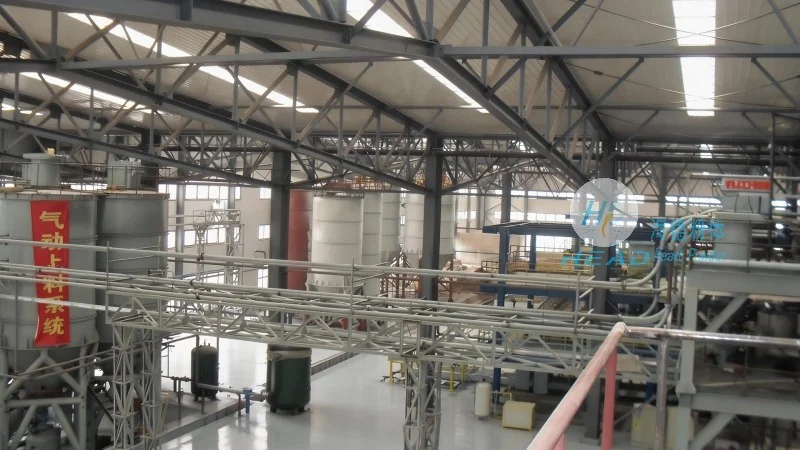
1. Gravity Conveying Systems
Gravity conveying systems utilize the natural force of gravity to move sanding powders from one point to another. These systems typically consist of inclined chutes or hoppers that allow the powder to flow downward under the influence of gravity. The primary advantage of gravity conveying is its simplicity and low operational cost, as it requires minimal mechanical components and energy input. However, this method is highly dependent on the angle of the chute and the particle size and density of the sanding powder. For powders with fine particles or irregular shapes, gravity conveyors may experience issues such as bridging or clogging, which can lead to inefficiencies and downtime. Additionally, gravity systems are limited in their ability to transport powders over long distances or to elevated locations without significant changes in the system design.
2. Mechanical Conveying Systems
Mechanical conveying systems employ mechanical components to move sanding powders, offering greater control and flexibility compared to gravity systems. There are several types of mechanical conveyors used in sanding powder handling, including screw conveyors, belt conveyors, and pneumatic conveyors. Screw conveyors use a rotating screw to push the powder forward, making them suitable for vertical or horizontal transport. They are particularly effective for handling powders with moderate to high bulk density and can handle a wide range of particle sizes. Belt conveyors, on the other hand, use a continuous belt to transport the powder, often in combination with side walls or chutes to contain the material. This method is ideal for transporting larger quantities of sanding powder over longer distances and can be integrated with other processing equipment. Pneumatic conveyors utilize air pressure to transport the powder through a pipeline, which can be either positive or negative pressure. This method offers high flexibility, as it can transport powders in both directions and to multiple destinations. However, pneumatic systems require more energy compared to other mechanical options and may be susceptible to dust accumulation and system wear.
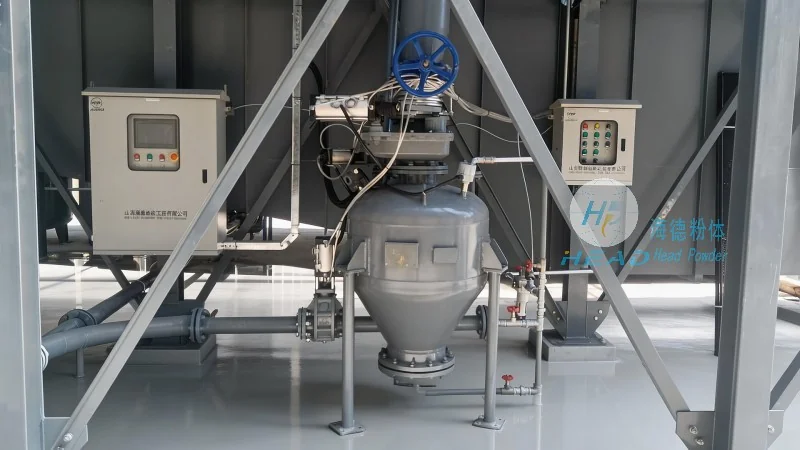
3. Air-Lift or Pneumatic Conveying
Air-lift or pneumatic conveying systems are a specialized form of mechanical conveying that uses compressed air to transport sanding powders. These systems are particularly effective for handling fine or dusty powders that are prone to clogging in traditional conveyors. The principle involves creating a pressure differential between the inlet and outlet of the conveying line, which draws the powder into the air stream and transports it to the destination. One of the key advantages of air-lift systems is their ability to handle powders with high moisture content or those that are sensitive to moisture, as the air stream can help maintain the powder's dryness. However, these systems require a significant amount of compressed air, which increases operational costs. Additionally, the system design must be carefully optimized to prevent particle degradation or agglomeration during transport.
4. Vacuum Conveying Systems
Vacuum conveying systems are another type of pneumatic conveyor that operates under negative pressure. These systems use a vacuum pump to create a suction force that draws the sanding powder into the conveying line. Vacuum systems are particularly useful for applications where the powder needs to be transported from multiple points to a central collection point, such as in a manufacturing facility with multiple processing stations. The primary advantage of vacuum conveyors is their ability to handle powders with high moisture content or those that are sensitive to air exposure, as the system maintains a sealed environment. However, vacuum systems are generally less efficient for long-distance transport compared to positive pressure systems and may require additional filtration to prevent dust contamination. The design of the system, including the size of the vacuum pump and the length of the conveying line, must be carefully considered to ensure optimal performance.
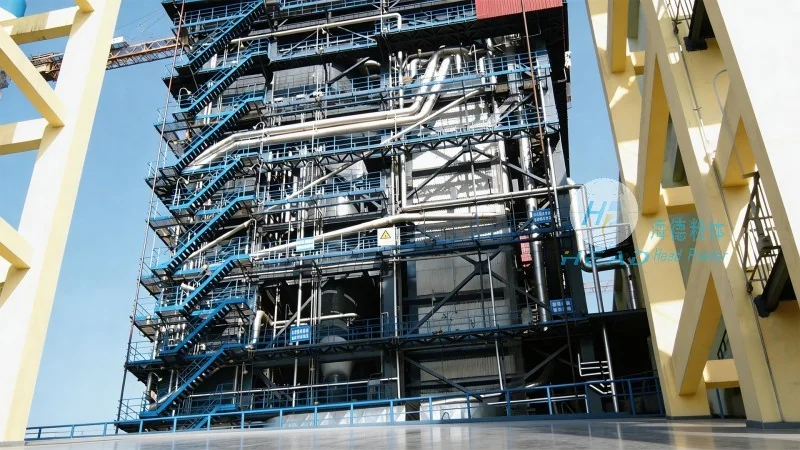
5. Combination Conveying Systems
In many industrial applications, a single conveying method may not be sufficient to meet all the requirements of sanding powder handling. Combination conveying systems, which integrate multiple types of conveyors, offer a more comprehensive solution. For example, a system might use a gravity conveyor to transport the powder from a storage bin to a screw conveyor, which then moves it to a pneumatic conveyor for final transport to the processing area. This approach allows for the optimization of each segment of the transport process, ensuring that the most suitable method is used for each part of the journey. Combination systems are particularly effective in large-scale manufacturing environments where multiple processing steps are involved. However, they require more complex system design and maintenance, as the integration of different components must be carefully managed to avoid operational issues.
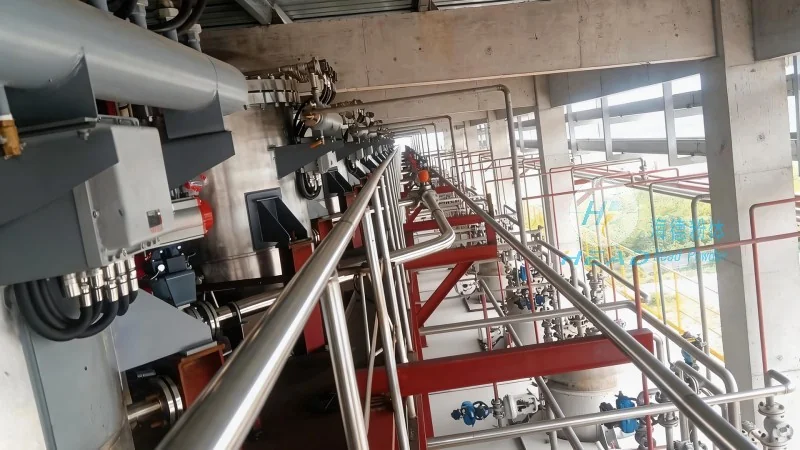
6. Factors Influencing Conveying Method Selection
The choice of sanding powder conveying method depends on several key factors, including the properties of the powder, the distance and elevation changes required, the volume of material to be transported, and the overall system budget. The particle size and density of the sanding powder are critical factors, as they determine the flow characteristics and potential for clogging. For example, fine powders with high moisture content may require a pneumatic or vacuum system to prevent agglomeration, while larger, bulkier particles may be better suited for mechanical conveyors. The distance and elevation changes also play a significant role, as gravity systems are limited in their ability to transport powders over long distances or to elevated locations. The volume of material to be transported affects the capacity of the conveyor system, with larger volumes requiring more robust and high-capacity equipment. Finally, the budget constraints of the project will influence the choice of system, as pneumatic systems generally have higher operational costs compared to gravity or mechanical systems.
7. Conclusion
Shandong HeadPowder Engineering Co., Ltd. offers a range of sanding powder conveying solutions tailored to the specific needs of industrial applications. By understanding the advantages and limitations of each conveying method, manufacturers can select the most appropriate system to ensure efficient and reliable sanding powder handling. Whether using gravity, mechanical, pneumatic, or combination systems, the goal is to maintain product quality, minimize downtime, and optimize operational costs. With their expertise in sanding powder processing, HeadPowder provides customized solutions that address the unique challenges of each industrial environment, ensuring that the conveying system is both effective and sustainable.




