Micro sand powder, a critical material in construction and industrial applications, requires efficient and reliable conveying methods to ensure optimal performance and project success. The choice of conveying system directly impacts material handling efficiency, operational costs, and overall project outcomes. As a leading supplier in the field, Shandong HeadPowder Engineering Co., Ltd., commonly known as HeadPowder, offers a range of solutions tailored to meet diverse industry needs. This article provides a detailed comparison of common micro sand powder conveying methods, highlighting their advantages, limitations, and ideal applications.
Understanding Micro Sand Powder and Its Conveying Requirements
Micro sand powder, typically composed of fine silica particles, is widely used in concrete production, refractory materials, and other industrial processes. Its small particle size and abrasive nature demand specialized conveying equipment to prevent clogging, material degradation, and system wear. Effective conveying ensures consistent material flow, reduces downtime, and maintains product quality. HeadPowder specializes in designing and manufacturing conveying systems that address these unique challenges, leveraging advanced engineering and material science expertise.
Common Micro Sand Powder Conveying Methods
A. Air-Pressure Conveying (Pneumatic Conveying)
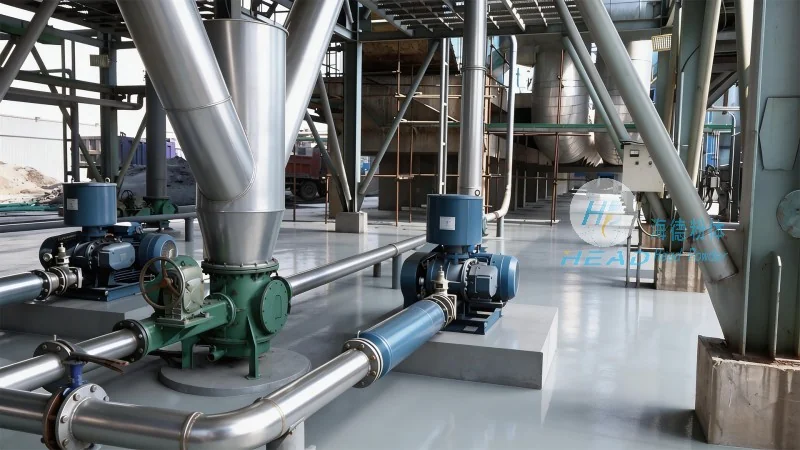
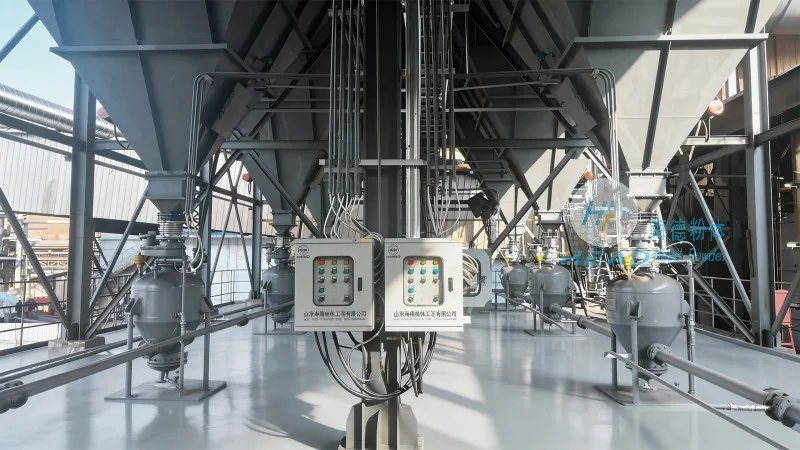
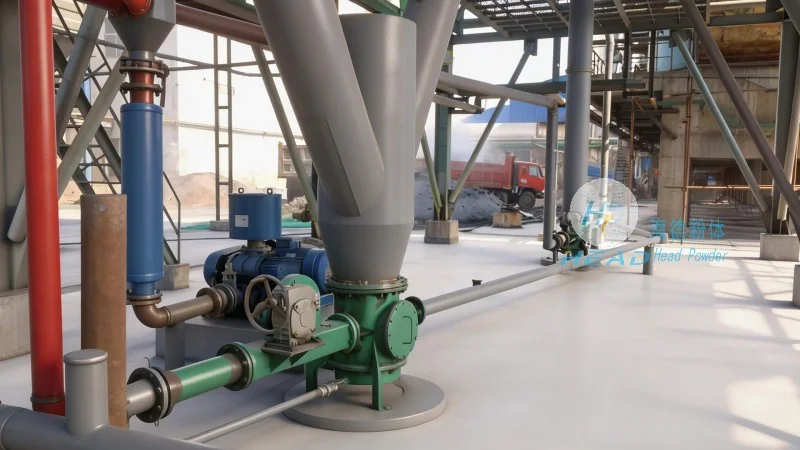
Air-pressure conveying, or pneumatic conveying, is a widely adopted method for micro sand powder due to its ability to handle fine powders over long distances. This system uses compressed air to transport material through a pipeline, combining both pressure and vacuum modes for flexibility. The primary types include positive pressure, negative pressure, and mixed pressure systems. Positive pressure systems are suitable for short to medium distances, where air is blown into the pipeline to push the material. Negative pressure systems, on the other hand, use suction to draw material into the pipeline, ideal for applications requiring material collection from multiple sources. Mixed pressure systems offer a combination of both, providing enhanced control over material flow. HeadPowder’s pneumatic conveying solutions are engineered with high-efficiency airlocks and cyclone separators to minimize material loss and ensure consistent delivery. The system’s ability to handle abrasive particles and prevent clogging makes it a preferred choice for many industries. However, the cost of compressed air and the need for regular maintenance are key considerations. Additionally, the system’s performance can be affected by variations in powder moisture content and particle size distribution.
B. Screw Conveyors
Screw conveyors, also known as auger conveyors, are another common method for micro sand powder transport. These systems utilize a rotating screw (auger) to move material along a trough or tube. Screw conveyors are particularly effective for horizontal or slightly inclined transport, with the ability to handle both dry and slightly wet powders. The design allows for gentle material handling, reducing the risk of particle degradation or segregation. HeadPowder’s screw conveyor solutions are constructed with durable materials, such as stainless steel or high-strength polymers, to withstand the abrasive nature of micro sand. The screw pitch and speed can be adjusted to optimize material flow, ensuring smooth and continuous operation. Screw conveyors are often used in applications where the material needs to be elevated or transferred between different levels. A key advantage is their simplicity and low maintenance requirements. However, they are less suitable for long-distance transport and may experience increased wear with highly abrasive materials. The system’s performance can also be affected by variations in powder bulk density and the presence of foreign objects.
C. Pumping Systems (Hydraulic or Pneumatic)
Pumping systems, including hydraulic and pneumatic pumps, are used for transporting micro sand powder in slurry form. This method involves mixing the powder with a liquid (such as water or a carrier fluid) to create a slurry, which is then pumped through pipelines. Hydraulic pumps are typically used for high-pressure applications, while pneumatic pumps are suitable for lower pressures and more delicate materials. HeadPowder’s pumping solutions are designed to handle abrasive slurries, with robust pump components and efficient filtration systems to prevent clogging and equipment damage. The system’s ability to transport material over long distances with minimal pressure loss makes it ideal for large-scale projects. However, the need for a liquid carrier increases operational costs and may require additional treatment for waste disposal. The system’s performance is also dependent on the slurry concentration and the pump’s capacity. Pumping systems are commonly used in concrete mixing plants and industrial processes where the material needs to be transported in a fluid state.
D. Bucket Elevators
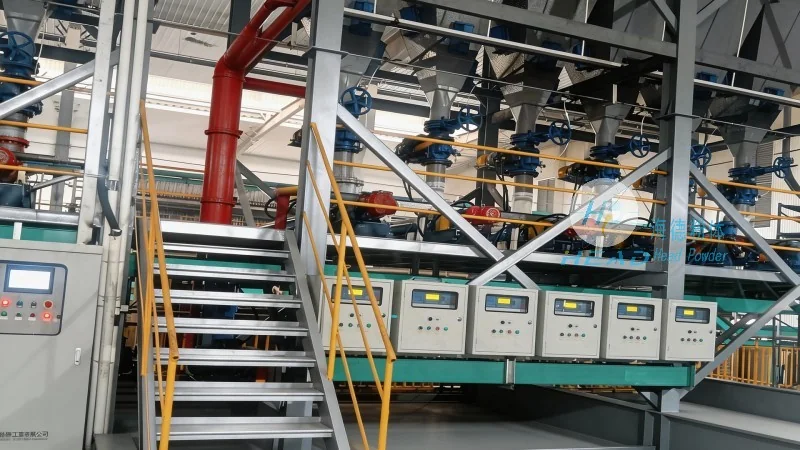
Bucket elevators are vertical conveying systems that use buckets attached to a chain or belt to transport micro sand powder. These systems are highly efficient for vertical transport, capable of moving material over significant heights with minimal space requirements. HeadPowder’s bucket elevator solutions are engineered with heavy-duty buckets and durable chains to handle abrasive materials, ensuring long service life and reliable operation. The system’s design allows for continuous material flow, reducing downtime and improving productivity. Bucket elevators are particularly suitable for applications where the material needs to be elevated to a higher level, such as in concrete batching plants. A key advantage is their ability to handle large volumes of material with consistent performance. However, the system’s complexity and maintenance requirements are higher compared to other methods. The risk of material spillage and the need for proper alignment are also important considerations. Bucket elevators are less suitable for long horizontal distances and may experience increased wear with highly abrasive powders.
Comparative Analysis of Conveying Methods
When selecting a micro sand powder conveying method, several factors must be considered, including material properties, distance, cost, and operational requirements. Air-pressure conveying is ideal for long-distance transport and fine powders, while screw conveyors are suitable for short to medium horizontal transport. Pumping systems are preferred for slurry applications, and bucket elevators are best for vertical transport. HeadPowder’s expertise lies in customizing these systems to meet specific project needs, ensuring optimal performance and efficiency. The company’s engineers conduct thorough assessments of material characteristics, project requirements, and site conditions to recommend the most suitable conveying solution. This approach minimizes risks and maximizes the benefits of each method, providing clients with reliable and cost-effective solutions.
Conclusion
The choice of micro sand powder conveying method significantly impacts project success and operational efficiency. Each method has its unique advantages and limitations, making it essential to select the right system based on specific requirements. HeadPowder, with its comprehensive expertise and customized solutions, helps clients navigate these choices effectively. By leveraging advanced technology and engineering, HeadPowder ensures that micro sand powder is transported efficiently, reliably, and cost-effectively, supporting the success of various industrial and construction projects. As a trusted partner, HeadPowder continues to provide innovative conveying solutions that meet the evolving needs of the industry.




