Hydrogen sulfide (H₂S) is a vital industrial gas with applications spanning oil and gas extraction, petrochemical processing, and wastewater treatment. The safe and efficient transportation of H₂S is essential to maintain operational safety, comply with environmental regulations, and ensure cost-effectiveness. HeadPowder, a leading engineering firm headquartered in Shandong, China, specializes in providing tailored hydrogen sulfide transportation solutions. This article offers a comparative analysis of common H₂S transportation methods, detailing their advantages, limitations, and optimal applications. The information is presented to assist clients in making informed decisions about their H₂S logistics while highlighting HeadPowder's expertise in designing and implementing these systems.
1. Pipeline Transportation of Hydrogen Sulfide
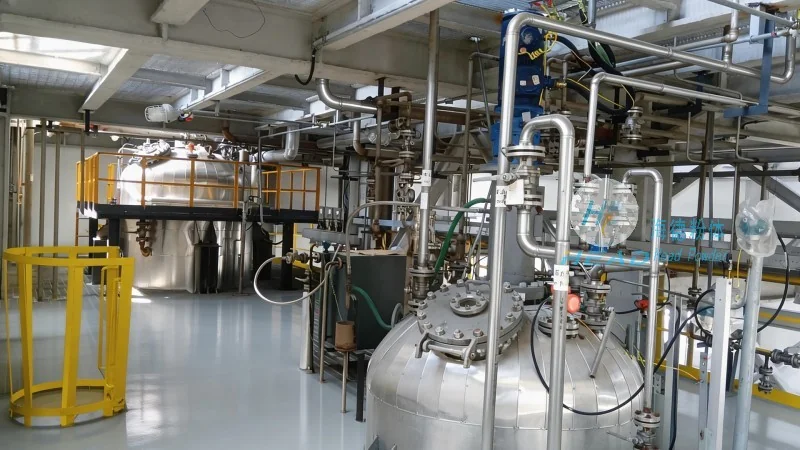
Pipeline transportation is a widely adopted method for moving H₂S over long distances, particularly within industrial complexes or between production and processing facilities. This approach offers several key benefits, including continuous, uninterrupted flow, reduced exposure to external hazards, and lower operational costs compared to trucking or other modes. The pipelines are constructed from materials resistant to H₂S corrosion, such as stainless steel or specialized alloys, ensuring durability and safety. HeadPowder’s engineering team conducts thorough risk assessments and material selection processes to meet stringent industry standards, including those set by the American Petroleum Institute (API) and local regulatory bodies. The company’s expertise in pipeline design and installation minimizes the risk of leaks or failures, enhancing overall safety and reliability. This method is ideal for high-volume, long-term applications where infrastructure can be integrated into existing industrial layouts.
2. Tanker Truck Transport for Hydrogen Sulfide
For shorter distances or when flexibility is required, tanker truck transport is a common choice for H₂S delivery. Specialized vehicles equipped with pressure vessels and safety features handle toxic and corrosive gases. These trucks are outfitted with pressure relief valves, emergency shut-off systems, and monitoring devices to detect leaks or overpressure conditions. HeadPowder provides comprehensive services related to tanker truck transport, including the design of compatible storage tanks, implementation of safety protocols, and training of personnel. The company ensures all trucking operations adhere to national and international regulations, such as the U.S. Department of Transportation (DOT) hazardous materials regulations and the European Union’s ADR guidelines. This focus on compliance helps clients minimize liability and maintain a safe working environment.
3. Cryogenic Liquefied Hydrogen Sulfide (LH₂S) Transportation
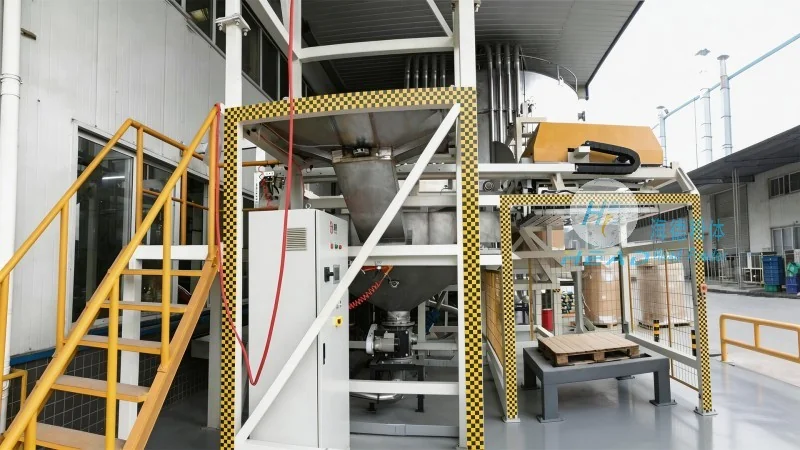
In some applications, H₂S is transported in its liquefied form (LH₂S) at extremely low temperatures. This method is advantageous for long-distance transport where high energy efficiency is required. The liquefaction process reduces the gas volume by a factor of about 815, making storage and transport more economical. HeadPowder offers expertise in the design and operation of cryogenic storage and transportation systems for LH₂S. These systems include insulated tanks, vaporizers, and pressure control equipment to maintain the gas in its liquid state. The company’s engineers consider factors like temperature control, insulation efficiency, and safety mechanisms to prevent boil-off or pressure buildup. The use of LH₂S transportation is often favored in industries requiring large volumes of H₂S, such as sulfuric acid production or chemical synthesis. HeadPowder’s experience in cryogenic engineering ensures these systems are reliable and tailored to client needs.
4. Comparative Analysis of Transportation Methods
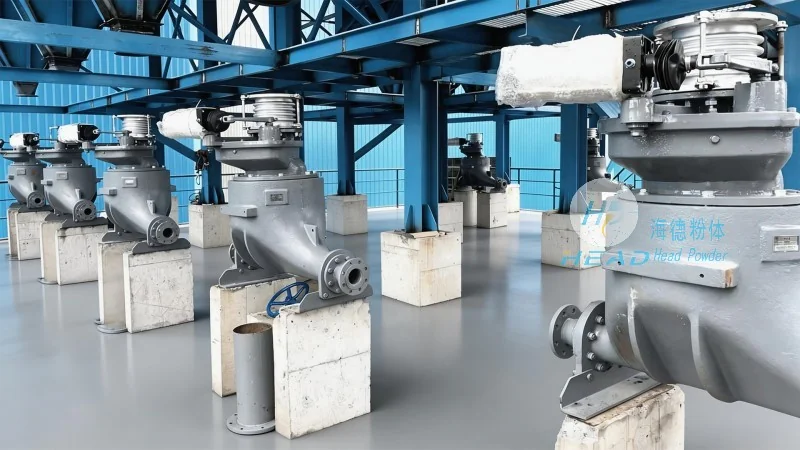
When selecting a hydrogen sulfide transportation method, factors like distance, volume, cost, and safety requirements must be considered. Pipeline transportation is cost-effective for long-term, high-volume operations, while tanker truck transport offers flexibility for shorter distances or intermittent demand. Cryogenic liquefied H₂S is suitable for long-distance transport where energy efficiency is a priority. HeadPowder’s comprehensive approach includes assessing these factors and recommending the most appropriate method for each client’s unique situation. The company’s engineers work closely with clients to evaluate operational needs, budget constraints, and regulatory obligations, ensuring the chosen solution is efficient and compliant. By leveraging technical expertise and a commitment to safety, HeadPowder helps clients optimize H₂S transportation processes, reducing risks and improving overall performance.
5. Conclusion
Choosing the right hydrogen sulfide transportation method is critical to industrial operations, impacting safety, efficiency, and cost. HeadPowder Engineering Co., Ltd., based in Shandong, China, provides specialized engineering services to assist clients in navigating these choices. Whether through pipeline systems, tanker truck transport, or cryogenic liquefied H₂S, the company’s solutions meet the highest standards of safety and performance. By combining technical expertise with regulatory compliance, HeadPowder ensures reliable and responsible H₂S transportation, supporting clients’ long-term success in the industry.




