When it comes to handling bentonite, an effective conveying method is crucial for ensuring efficiency, safety, and cost-effectiveness in industrial applications. Bentonite, a natural clay with unique swelling properties, is widely used in various industries such as drilling, foundry, and construction. The choice of conveying method depends on factors like material characteristics, production scale, and operational environment. This article provides a detailed comparison of common bentonite conveying methods, helping you make an informed decision for your specific needs.
Pneumatic Conveying System
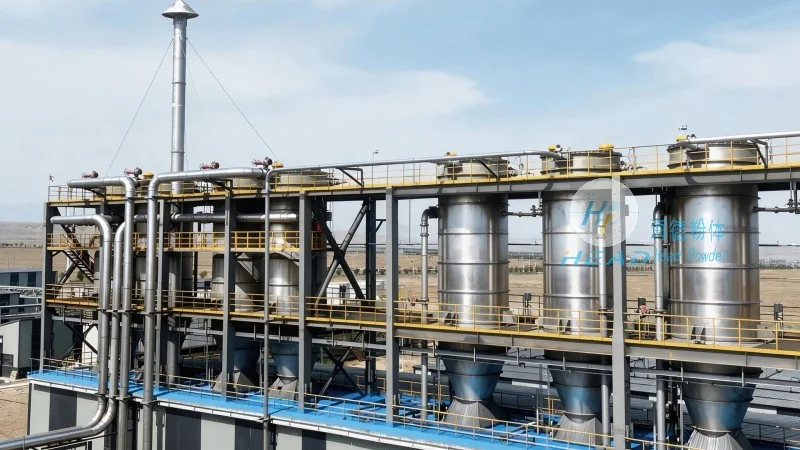
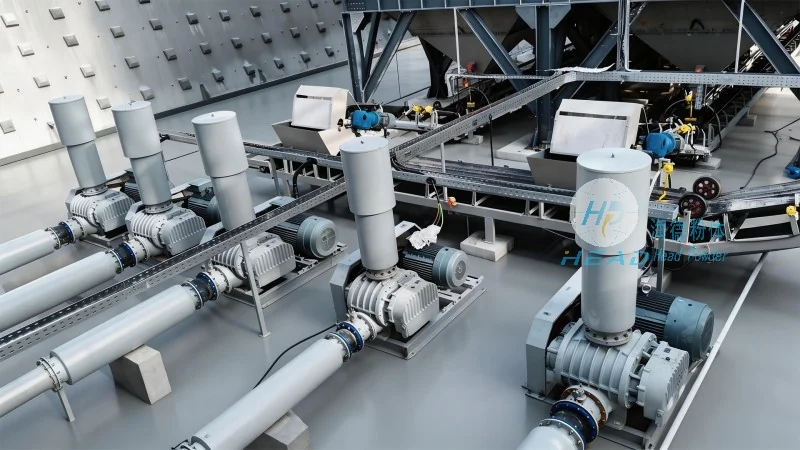
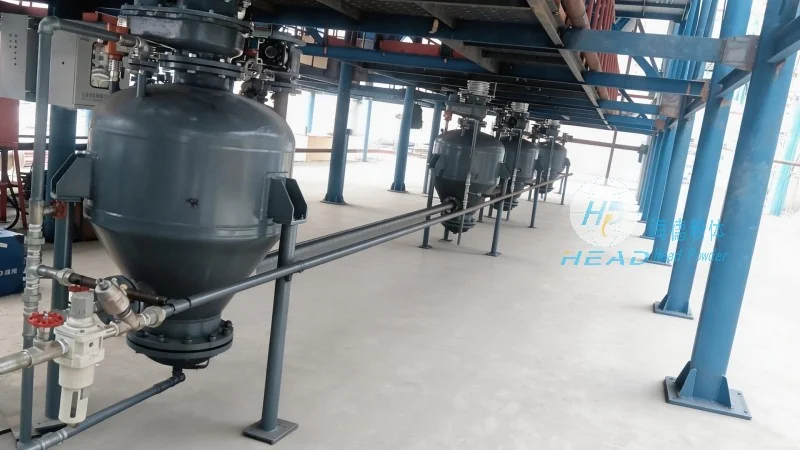
Pneumatic conveying, also known as air conveying, is a popular method for transporting bentonite powder due to its ability to handle fine particles and minimize dust exposure. In this system, compressed air is used to move the bentonite through a pipeline. The process involves creating a pressure differential that propels the material forward. There are two main types of pneumatic conveying: pressure and vacuum systems. Pressure systems use positive pressure to push the material, while vacuum systems use negative pressure to pull it. For bentonite, which is often in a dry, powdery form, pressure systems are more common as they can handle higher volumes and longer distances. The key advantages of pneumatic conveying include its ability to transport material without direct contact, reducing wear on equipment and minimizing contamination. However, it requires a robust air supply system and may not be suitable for very fine or cohesive materials that tend to agglomerate. The system also needs proper sealing to prevent air leakage and maintain efficiency.
Screw Conveyor (Auger Conveyor)
Screw conveyors, or auger conveyors, are widely used in bentonite handling due to their simplicity and effectiveness in moving bulk materials. This method uses a rotating screw (auger) inside a tube to push the material forward. The screw's design, including pitch and diameter, can be customized to suit the specific characteristics of bentonite, such as its moisture content and particle size. Screw conveyors are particularly suitable for horizontal or slightly inclined transport, as they can handle materials with some moisture without causing blockages. One of the main advantages is their low maintenance requirements and ability to operate in a closed system, which helps in dust control. However, they may not be ideal for very fine powders that can cause excessive wear on the screw and tube. Additionally, the system's capacity is limited by the screw speed and the angle of inclination, making it less suitable for long-distance transport compared to pneumatic systems. Proper lubrication and material flow control are essential to prevent clogging and ensure smooth operation.
Pumping with Hydraulic or Mechanical Pumps
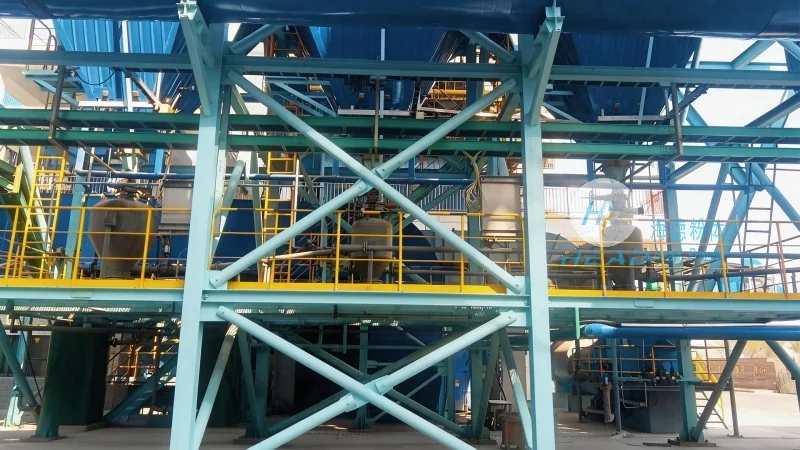
For larger volumes of bentonite slurry or more viscous mixtures, pumping methods are often employed. This approach involves using hydraulic or mechanical pumps to transport the material through pipelines. Bentonite slurry, which is a mixture of bentonite and water, can be pumped using centrifugal pumps or positive displacement pumps. Centrifugal pumps are suitable for high-flow applications and can handle relatively low-viscosity slurries, while positive displacement pumps, such as gear or piston pumps, are better for higher viscosity or more concentrated slurries. The choice of pump depends on the slurry's properties, including its density, viscosity, and solids content. Pumping systems offer the advantage of continuous, high-volume transport and can be integrated with other processing equipment, such as mixing and storage tanks. However, they require regular maintenance to prevent wear and ensure proper sealing, as bentonite can be abrasive. The system also needs a reliable power source and a well-designed pipeline network to avoid pressure drops and clogging. Proper monitoring of pump performance and slurry conditions is crucial to maintain efficiency and prevent equipment damage.
Belt Conveyor System
Belt conveyors are another common method for transporting bulk bentonite, especially in applications where long-distance horizontal transport is required. This system consists of a continuous belt that moves over rollers or pulleys, carrying the material from one point to another. The belt is typically made of durable materials like rubber or synthetic fabrics to withstand the abrasive nature of bentonite. Belt conveyors are suitable for both dry and wet bentonite, as they can handle a wide range of particle sizes and moisture contents. One of the key advantages is their high capacity and ability to operate continuously over long distances with minimal maintenance. However, they require a significant amount of space and may not be suitable for vertical or steep inclines. The system also needs proper tensioning and alignment to prevent belt slip or material spillage. Dust control is an important consideration, as belt conveyors can generate dust during operation. Regular cleaning and maintenance of the belt and rollers are necessary to ensure smooth operation and prevent wear.
As a leading provider in the bentonite processing industry, Shandong HeadPowder Engineering Co., Ltd. specializes in offering tailored conveying solutions for various industrial applications. With years of experience and expertise, HeadPowder understands the unique challenges of handling bentonite and provides customized equipment and systems to meet specific operational needs. Our team of engineers works closely with clients to assess their requirements and recommend the most suitable conveying method, ensuring optimal performance and efficiency. Whether you need pneumatic, screw, pumping, or belt conveyor systems, HeadPowder delivers high-quality, reliable solutions that enhance productivity and reduce operational costs. Based in Shandong, China, HeadPowder serves clients globally, providing comprehensive support from design and installation to maintenance and after-sales service. Our commitment to quality and customer satisfaction has made us a trusted partner in the bentonite industry, helping businesses achieve their production goals with efficiency and reliability.




