Barite, a mineral widely used in various industrial applications, requires efficient and reliable conveying systems to move it from mining sites to processing facilities or end-users. The choice of conveying method significantly impacts operational efficiency, cost, and material handling safety. This article provides a detailed comparison of common barite conveying methods, highlighting their advantages, disadvantages, and suitability for different industrial scenarios. The information is presented by Shandong HeadPowder Engineering Co., Ltd., a leading provider of mineral processing solutions based in China.
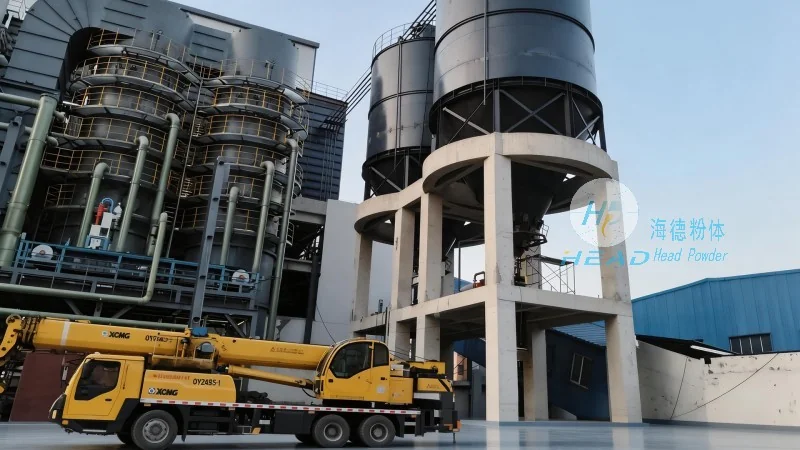
Overview of Barite and Its Conveying Importance
Barite, or barium sulfate (BaSO₄), is a heavy mineral with a high specific gravity, typically used as a weighting agent in drilling fluids, pigment manufacturing, and as a filler in various industries. Its dense nature makes it challenging to transport, necessitating specialized equipment and methods. Effective conveying ensures minimal material loss, reduces downtime, and maintains product quality throughout the process. Shandong HeadPowder Engineering Co., Ltd. specializes in designing and implementing tailored conveying solutions for barite and other minerals, ensuring optimal performance and compliance with industry standards.
1. Belt Conveyor System for Barite Transport
Belt conveyors are one of the most common and versatile methods for transporting barite. They consist of a continuous loop of material (usually rubber or PVC) that moves over rollers or pulleys, carrying the mineral from the source to the destination. This method is ideal for horizontal and slightly inclined transport over long distances, making it suitable for mining operations and processing plants. The primary advantages of belt conveyors include high capacity, low maintenance costs, and the ability to handle large volumes of material. However, they may face challenges with material buildup on the belt, especially with fine or sticky barite particles, and require regular cleaning and maintenance. Shandong HeadPowder Engineering Co., Ltd. offers customized belt conveyor systems designed to handle varying barite sizes and moisture content, ensuring smooth and efficient operation.
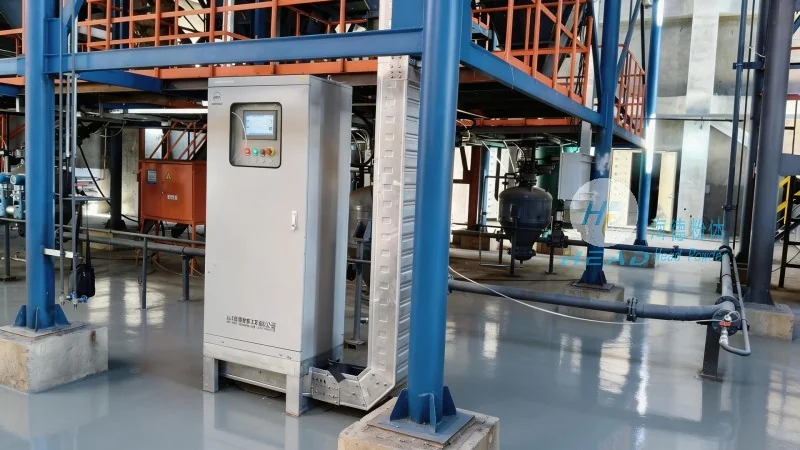
2. Pneumatic Conveying for Barite Handling
Pneumatic conveying, also known as air conveying, uses air pressure or vacuum to transport barite particles through a pipeline. This method is particularly effective for handling fine or powdery barite, as it can transport materials without direct contact, reducing wear and tear on equipment. Pneumatic systems are suitable for both short and long distances, and can be integrated with processing equipment for automated material transfer. The main benefits include low labor costs, minimal material degradation, and the ability to transport materials in a closed system, preventing dust emissions. However, pneumatic conveying requires higher energy consumption compared to other methods, and may be less efficient for very large or heavy barite lumps. Shandong HeadPowder Engineering Co., Ltd. specializes in designing efficient pneumatic conveying systems that optimize air flow and particle movement, ensuring reliable transport of barite from source to processing units.
3. Hydraulic Conveying as an Alternative
Hydraulic conveying, or slurry pipeline transport, involves transporting barite suspended in water through a pipeline under pressure. This method is commonly used for long-distance transport of heavy minerals, as it can handle large volumes and overcome significant elevation changes. The primary advantage is the ability to transport materials over very long distances with minimal energy input, making it cost-effective for remote mining sites. However, hydraulic systems require robust pipelines and pumping equipment, and may face issues with sedimentation and corrosion if not properly maintained. Shandong HeadPowder Engineering Co., Ltd. provides hydraulic conveying solutions tailored to the specific characteristics of barite, ensuring efficient and reliable transport while minimizing environmental impact.
4. Screw Conveyor for Bulk Barite Handling
Screw conveyors, or auger conveyors, use a rotating screw to move barite through a tube or trough. This method is suitable for vertical or inclined transport of bulk barite, especially in confined spaces where space is limited. The advantages include compact design, low power consumption, and the ability to handle a wide range of material sizes. However, screw conveyors may experience material blockage with sticky or wet barite, and require regular cleaning to prevent clogging. Shandong HeadPowder Engineering Co., Ltd. designs screw conveyors with durable materials and efficient screw designs to handle various barite conditions, ensuring consistent and reliable material transport.
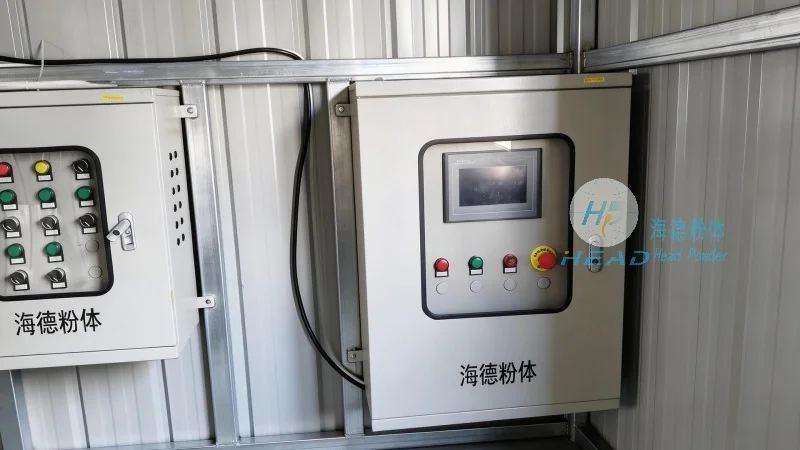
5. Comparison and Selection Criteria
When selecting a barite conveying method, several factors must be considered, including the barite's physical properties (size, moisture content, density), the distance to be covered, the required capacity, and the available budget. Belt conveyors are generally the most cost-effective for long horizontal distances, while pneumatic conveying is ideal for fine materials and enclosed systems. Hydraulic conveying excels in long-distance transport of heavy slurries, and screw conveyors are suitable for vertical or limited-space applications. Shandong HeadPowder Engineering Co., Ltd. assists clients in evaluating these factors and recommending the most suitable conveying system, ensuring optimal performance and cost-effectiveness for their barite handling needs.
Conclusion
Choosing the right barite conveying method is crucial for maintaining operational efficiency and minimizing costs in mineral processing. Each method has its unique advantages and limitations, and the optimal choice depends on the specific requirements of the application. Shandong HeadPowder Engineering Co., Ltd. provides comprehensive solutions, including customized equipment design, installation, and maintenance services, to ensure reliable and efficient barite transport for its clients. With a focus on quality and customer satisfaction, the company continues to deliver innovative conveying solutions that meet the evolving needs of the barite industry.




