Efficient ash transport is a critical component in various industrial processes, particularly in power generation and waste management facilities. The choice of ash transport method significantly impacts operational efficiency, cost, and environmental compliance. This article provides a detailed comparison of common ash transport methods, highlighting their advantages and disadvantages to assist in informed decision-making. The information is presented by Shandong HeadPowder Engineering Co., Ltd., a leading provider of ash handling solutions based in China.
Gravity Ash Transport Systems
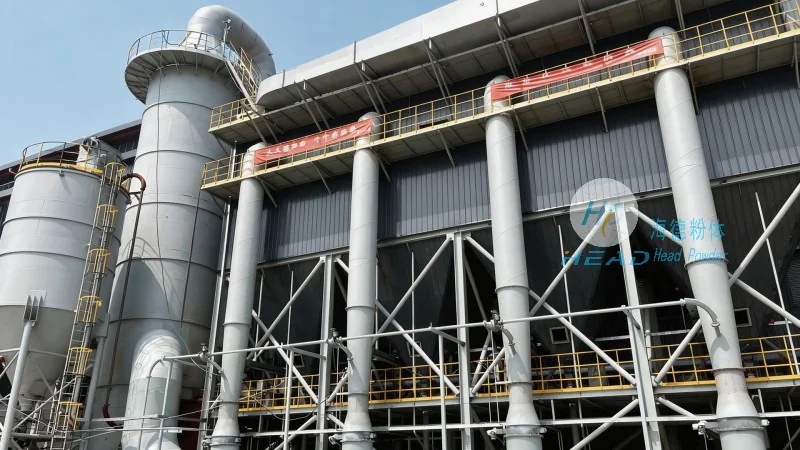
Gravity ash transport systems utilize the natural force of gravity to move ash from the combustion chamber to storage or disposal areas. These systems typically consist of inclined chutes or hoppers that allow ash to flow down under the influence of gravity. A key advantage of gravity systems is their simplicity and low operational cost, as they require minimal mechanical components and energy input. However, their effectiveness is highly dependent on the ash's physical properties, such as particle size, moisture content, and density. If the ash is too fine or too wet, it may not flow adequately, leading to blockages or reduced efficiency. Additionally, gravity systems are limited by the slope of the chute and the height difference between the source and destination, making them unsuitable for long-distance or vertical transport requirements. For example, in power plants with low-lying ash storage areas, gravity chutes can efficiently move ash without the need for additional machinery, reducing both capital and operational expenses. Nonetheless, the reliance on gravity means that any changes in ash characteristics, such as increased moisture from rain or changes in fuel type, can significantly impact the system's performance, necessitating regular monitoring and adjustments.
Mechanical Ash Transport Systems
Mechanical ash transport systems employ mechanical equipment to move ash, offering greater flexibility and control compared to gravity systems. Common mechanical methods include screw conveyors, belt conveyors, and bucket elevators. Screw conveyors, for instance, use a rotating screw to push ash forward through a trough. They are well-suited for handling fine or moist ash, as the screw can maintain a consistent flow. However, screw conveyors may experience wear and tear on the screw and trough due to abrasive ash particles, leading to higher maintenance costs over time. Belt conveyors, on the other hand, use a continuous belt to transport ash horizontally or at a slight incline. They are capable of handling large volumes of ash and can cover longer distances, but they require regular tensioning and cleaning to prevent ash buildup and belt damage. Bucket elevators are ideal for vertical transport, lifting ash from lower to higher levels using buckets attached to a chain or belt. While effective for vertical movement, they may have higher energy consumption and require more complex maintenance compared to other mechanical systems. The choice of mechanical system often depends on the ash's characteristics and the required transport distance, with each type offering unique benefits and challenges.
Vacuum Ash Transport Systems
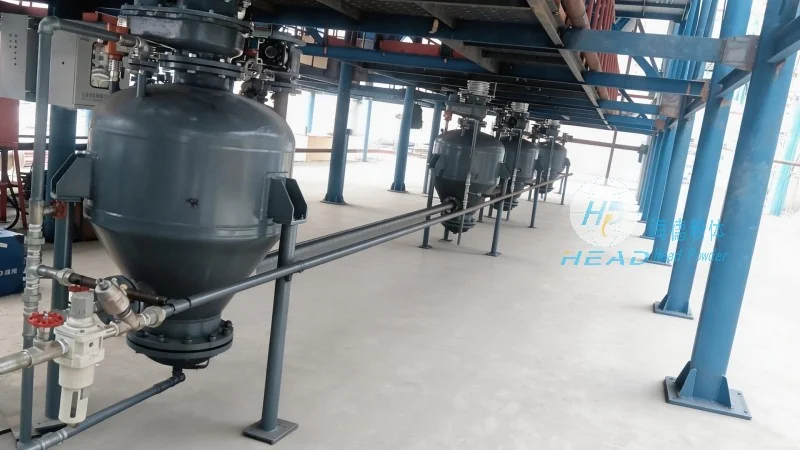
Vacuum ash transport systems utilize suction to draw ash from the source to the destination, often through flexible hoses or rigid pipes. This method is particularly useful for handling fine ash or ash with high moisture content, as it can maintain a consistent flow without the need for physical contact. A significant advantage of vacuum systems is their ability to transport ash over long distances and through complex layouts, such as around obstacles or in confined spaces. However, they require substantial energy input to maintain the vacuum, leading to higher operational costs. Additionally, the flexibility of hoses may lead to wear and tear over time, and the system may be susceptible to blockages if the ash is too fine or contains large particles. Regular maintenance of the vacuum pump and hose system is essential to ensure reliable operation. In industrial settings where space constraints or the need to avoid dust dispersion are critical, vacuum systems provide a viable solution, though their higher energy demands must be carefully evaluated against the benefits of reduced contamination and flexibility.
Hybrid Ash Transport Systems
Hybrid ash transport systems combine elements of multiple methods to leverage their respective advantages while mitigating disadvantages. For example, a system might use a gravity chute for initial transport and then employ a mechanical conveyor for longer distances. This approach can optimize energy use and reduce wear on components. Hybrid systems are often more versatile and can adapt to varying ash characteristics and operational conditions. However, they may be more complex to design and maintain, requiring careful integration of different components to ensure smooth operation. The cost of implementing a hybrid system is typically higher than that of a single-method system, but the long-term benefits in terms of efficiency and reliability may justify the investment. Shandong HeadPowder Engineering Co., Ltd. specializes in designing hybrid systems that integrate gravity, mechanical, and vacuum components to meet the specific needs of clients, ensuring optimal performance and cost-effectiveness.
Factors Influencing the Choice of Ash Transport Method
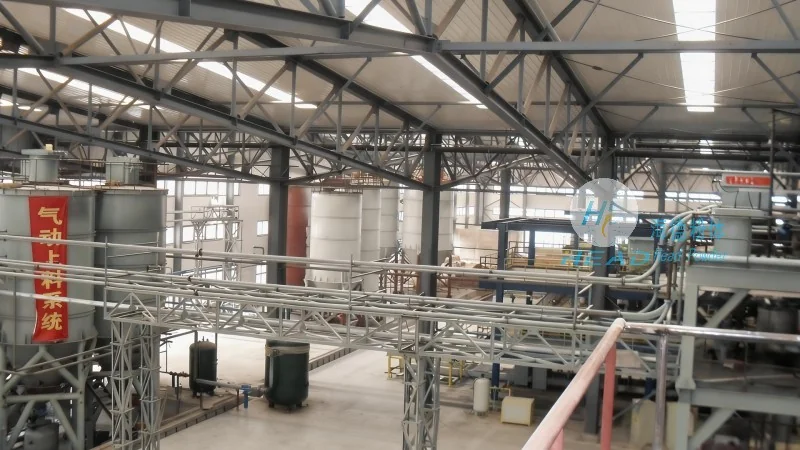
The selection of an ash transport method depends on several key factors, including the ash's physical properties, the distance and elevation changes between the source and destination, the required throughput, and the available budget. For instance, if the ash is coarse and dry, a gravity system may be sufficient. Conversely, if the ash is fine and moist, a mechanical or vacuum system may be more appropriate. The distance to be covered also plays a critical role; long-distance transport may necessitate mechanical or vacuum systems, while short-distance transport can often be handled by gravity. Additionally, the cost of installation, maintenance, and energy consumption must be considered. A thorough analysis of these factors helps in choosing the most suitable ash transport method for a specific application. Industrial facilities often conduct feasibility studies to evaluate the performance of different systems under their unique conditions, ensuring that the chosen method aligns with operational goals and regulatory requirements.
Conclusion
Each ash transport method has its own set of advantages and disadvantages, making the choice dependent on specific operational requirements. Gravity systems offer simplicity and low cost but are limited by ash properties and distance. Mechanical systems provide flexibility and control but may have higher maintenance needs. Vacuum systems excel in handling fine or moist ash and can cover long distances but require significant energy. Hybrid systems combine the benefits of multiple methods but are more complex and costly. By carefully evaluating the characteristics of the ash and the operational constraints, industrial facilities can select the most effective ash transport method to enhance efficiency, reduce costs, and ensure compliance with environmental regulations. Shandong HeadPowder Engineering Co., Ltd. specializes in providing tailored ash handling solutions to meet the diverse needs of industrial clients, helping them optimize their ash transport processes and achieve operational excellence. With a focus on innovation and customer-centric design, HeadPowder continues to advance ash transport technology, delivering reliable and efficient solutions for modern industrial applications.




