Ternary positive electrode materials are a critical component in modern lithium-ion batteries, playing a vital role in enhancing battery performance, energy density, and safety. The efficient and reliable transport of these materials is essential for the battery manufacturing process. This article provides a detailed comparison of common transport methods used in the production of ternary positive electrode materials, focusing on their operational principles, advantages, and practical applications.
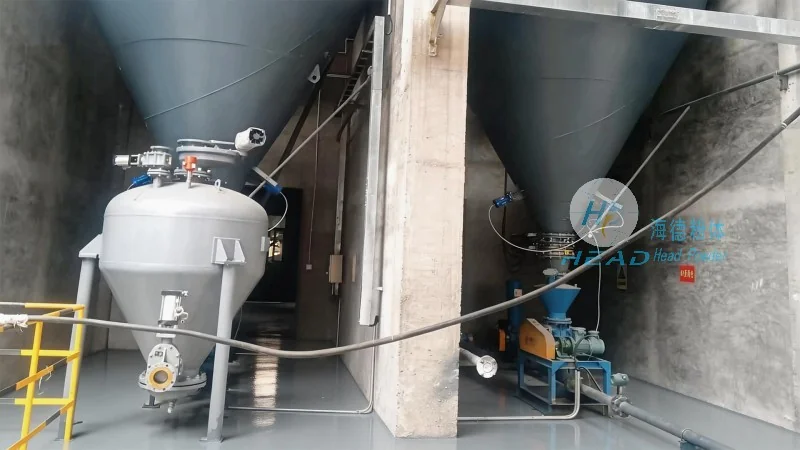
1. Belt Conveyor Systems: Traditional and Versatile Transport Solutions
Belt conveyors are among the most widely used transport methods in the battery material processing industry. These systems utilize a continuous belt, typically made of rubber or synthetic materials, to move materials from one point to another. The belt is driven by rollers, ensuring smooth and consistent movement of the electrode powders. For ternary positive electrode materials, belt conveyors offer several advantages, including high load capacity, low maintenance requirements, and the ability to handle a wide range of particle sizes. They are particularly effective in large-scale production facilities where material throughput is a key consideration. The design of belt conveyors can be customized to accommodate different production line layouts, making them adaptable to various manufacturing environments. However, belt conveyors may face challenges with material segregation and dust generation, which can impact product quality and operational safety. Proper sealing and dust control measures are essential to mitigate these issues and maintain the integrity of the ternary positive electrode powders.
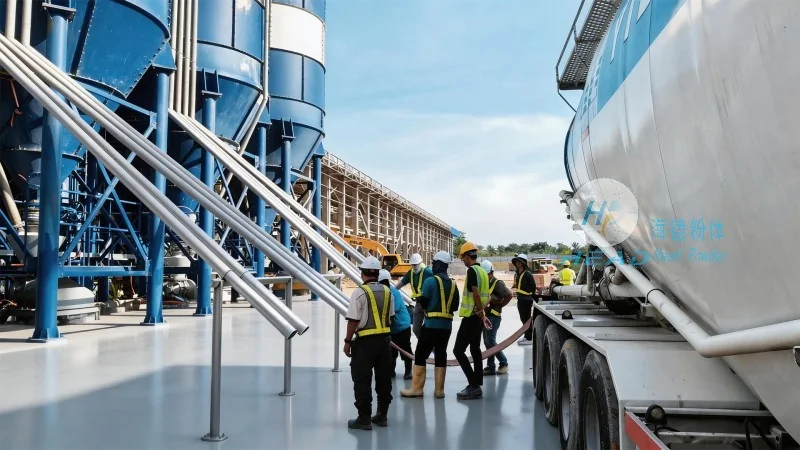
2. Screw Conveyors: Compact and Efficient for Fine Powders
Screw conveyors, also known as auger conveyors, are another common method for transporting ternary positive electrode materials, especially fine powders. These systems consist of a rotating screw (auger) inside a cylindrical tube, which moves material along the length of the conveyor. Screw conveyors are highly effective for materials that are prone to caking or bridging, as the rotating screw helps to break up clumps and ensure uniform flow. They are particularly suitable for handling powders with low bulk density or those that require gentle handling to prevent degradation. The compact design of screw conveyors makes them ideal for space-constrained production areas, and they can be easily integrated into existing processing lines. However, screw conveyors may experience higher friction and wear compared to belt conveyors, especially when transporting abrasive materials like ternary positive electrode powders. Regular maintenance and the use of wear-resistant materials for the screw and housing are necessary to extend the service life of the equipment. Additionally, screw conveyors may not be as efficient for large volumes of material as belt conveyors, making them more suitable for intermediate or smaller-scale applications.
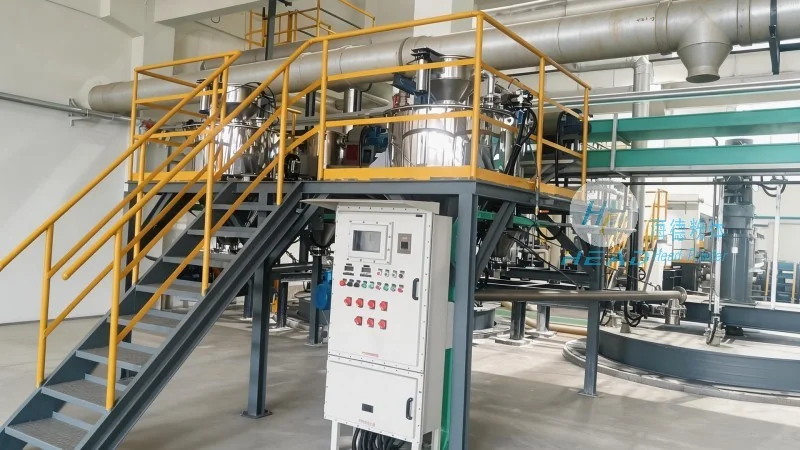
3. Pneumatic Conveying Systems: High-Speed and Flexible Transport
Pneumatic conveying systems use air or other gases to transport ternary positive electrode materials through a network of pipes. These systems can be categorized into two main types: pressure and vacuum. Pressure systems push material through the pipes using compressed air, while vacuum systems draw material in using a vacuum pump. Pneumatic conveying offers several advantages, including high speed, the ability to transport materials over long distances, and the option to integrate multiple conveying lines into a single system. This flexibility makes pneumatic systems particularly useful in complex production environments where materials need to be routed to different processing stages. For ternary positive electrode powders, pneumatic conveying can provide a dust-free and contamination-free transport method, which is crucial for maintaining the purity of the materials. However, pneumatic systems require careful control of air pressure and flow rates to prevent material degradation or blockages. The design of the system must account for the specific properties of the powder, such as particle size, density, and moisture content, to ensure efficient and reliable operation. Additionally, the cost of compressed air and the need for regular maintenance of air filtration systems are factors to consider when implementing pneumatic conveying for ternary positive electrode materials.
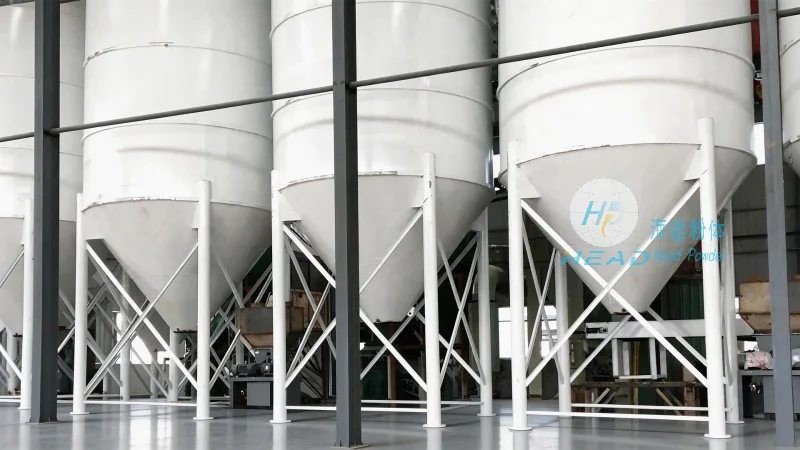
4. Vibrating Conveyors: Gentle Handling for Sensitive Materials
Vibrating conveyors utilize vibrations to move ternary positive electrode materials along a trough or conveyor bed. These systems are designed to provide gentle and uniform movement, which is particularly important for sensitive materials that are prone to attrition or degradation during transport. The vibrations are typically generated by an electric motor connected to a drive system, which causes the conveyor to oscillate at specific frequencies. Vibrating conveyors are effective for handling materials with varying particle sizes and shapes, as the oscillating motion helps to prevent material segregation and ensure consistent flow. They are commonly used in applications where the material needs to be mixed or blended during transport, such as in the mixing of ternary positive electrode powders with binders or conductive additives. The design of vibrating conveyors can be adjusted to control the amplitude and frequency of the vibrations, allowing for customization based on the material properties. However, vibrating conveyors may have higher energy consumption compared to other transport methods, and the maintenance of the vibration drive system is essential to ensure consistent performance. Additionally, the noise generated by vibrating conveyors can be a concern in some manufacturing environments, requiring proper soundproofing measures.




