When it comes to the efficient handling and transportation of beans, selecting the right conveying method is crucial for optimizing production processes and ensuring product quality. In this article, we will explore the common bean conveying methods used in the industry, analyzing their advantages and disadvantages to help you make an informed decision for your operations. The information provided is based on the expertise of Shandong HeadPowder Engineering Co., Ltd., a leading manufacturer based in Shandong, China.
Gravity Conveying Systems
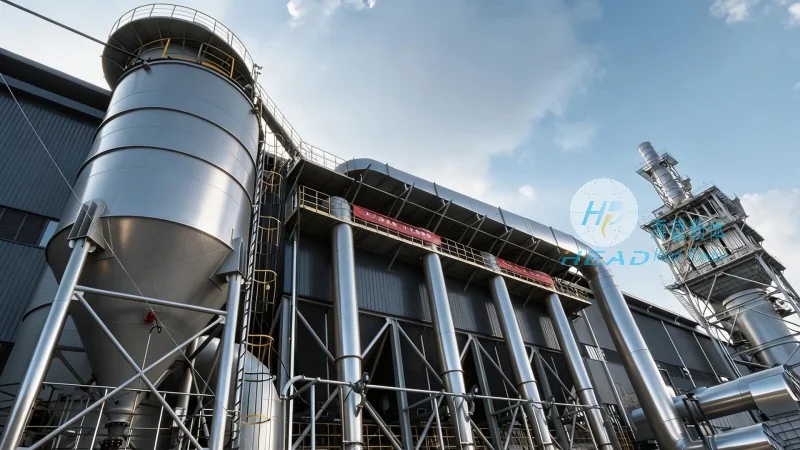
Gravity conveying systems utilize the natural force of gravity to move beans from one point to another. These systems typically consist of inclined chutes or troughs that allow beans to flow downward under the influence of gravity. One of the primary advantages of gravity conveying is its simplicity and low maintenance requirements. Since there are no moving parts involved, the risk of mechanical failure is minimal, and operational costs are generally lower compared to other methods. Additionally, gravity conveyors are energy-efficient as they do not require external power sources to operate. However, the effectiveness of gravity conveying is highly dependent on the slope of the chute and the characteristics of the beans being transported. If the slope is insufficient or the beans are too large or sticky, the flow may be hindered, leading to bottlenecks or uneven distribution. This method is most suitable for short-distance transport where the elevation difference is sufficient to facilitate smooth flow.
Pneumatic Conveying Systems
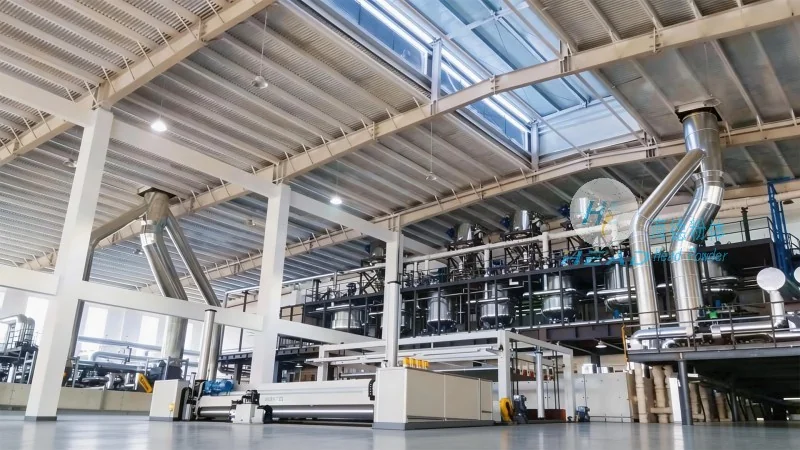
Pneumatic conveying systems use air pressure to transport beans through a pipeline. This method can be categorized into two main types: pressure and vacuum systems. Pressure systems force air and beans through the pipeline using a positive pressure blower, while vacuum systems create a negative pressure to draw beans into the pipeline. The primary advantage of pneumatic conveying is its ability to transport beans over long distances with minimal labor. It can also handle beans with a wide range of sizes and shapes, making it versatile for various applications. Furthermore, pneumatic systems can be integrated with other processing equipment, allowing for a seamless flow from storage to processing. However, pneumatic conveying has some significant drawbacks. The high energy consumption is a major concern, as it requires powerful air compressors to maintain the necessary pressure. This leads to higher operational costs, especially for large-scale operations. Additionally, the system is susceptible to blockages if the beans are too fine or contain excessive moisture, which can cause system downtime and maintenance issues. Another limitation is the potential for product degradation due to friction and exposure to air, which may affect the quality of the beans.
Mechanical Conveying Systems (Belt Conveyors)
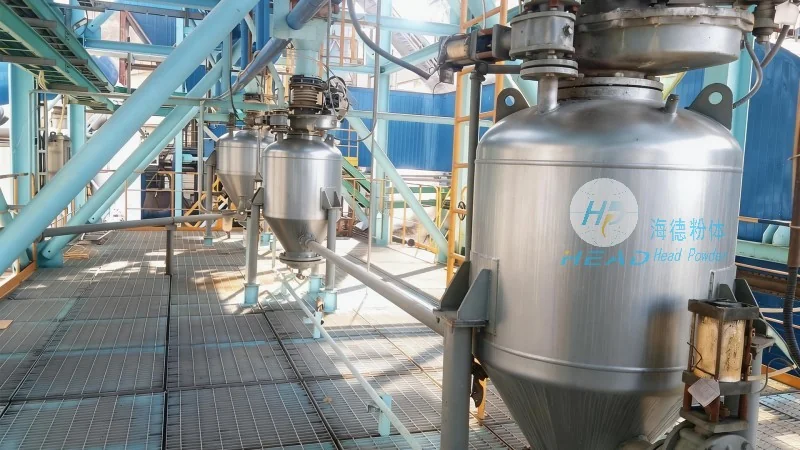
Mechanical conveying systems, particularly belt conveyors, are widely used for bean transportation due to their reliability and adaptability. These systems consist of a continuous belt that moves over rollers or pulleys, carrying beans from one location to another. The main advantage of belt conveyors is their ability to handle large volumes of beans efficiently. They can be designed to operate at high speeds and can transport beans over long distances with consistent performance. Belt conveyors are also relatively easy to install and maintain, with readily available replacement parts. However, there are several disadvantages to consider. The initial investment cost for belt conveyors is higher compared to gravity or pneumatic systems, especially for large-scale applications. Additionally, the system requires regular maintenance to ensure the belt remains in good condition, as wear and tear can lead to breakdowns. Another drawback is the potential for product contamination if the belt material is not properly selected or maintained. For example, if the belt is made of materials that can transfer oils or chemicals to the beans, it may affect the product quality. Furthermore, belt conveyors are not suitable for transporting beans with high moisture content or sticky characteristics, as they can cause the belt to slip or become clogged.
Screw Conveyors
Screw conveyors, also known as auger conveyors, use a rotating screw to move beans through a tube or trough. This method is commonly used for vertical or inclined transport of beans. The primary advantage of screw conveyors is their ability to handle a wide range of bean types, including those with high moisture content or sticky properties. The screw design allows for smooth and continuous movement, minimizing the risk of blockages. Additionally, screw conveyors are relatively compact and can be easily integrated into existing processing lines. However, there are some limitations to consider. The system is not suitable for transporting beans with large particles or foreign materials, as they can cause the screw to jam or damage the equipment. Another disadvantage is the high wear and tear on the screw and trough, which requires frequent replacement and maintenance. This can increase operational costs over time. Furthermore, screw conveyors are less efficient for long-distance transport compared to belt or pneumatic systems, as the friction between the screw and beans can lead to energy loss and reduced throughput.
Comparison Summary
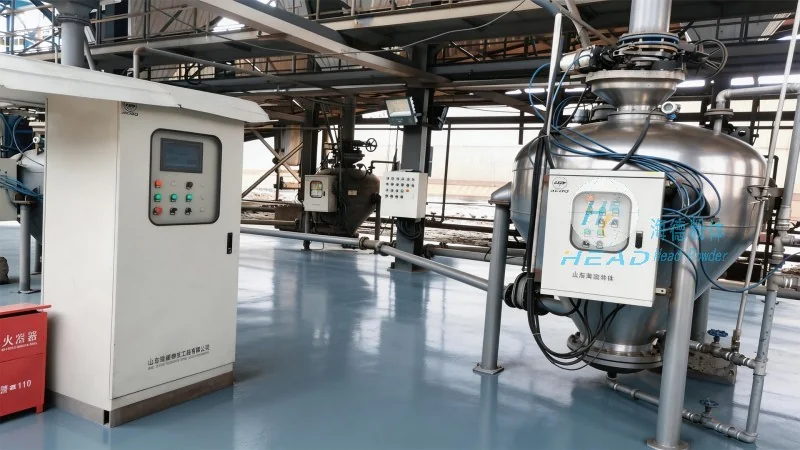
After analyzing the advantages and disadvantages of the common bean conveying methods, it is clear that no single method is universally superior. The choice of the most suitable method depends on several factors, including the distance to be covered, the characteristics of the beans, the required throughput, and the available budget. Gravity conveying is ideal for short distances with sufficient elevation, offering low maintenance and energy costs. Pneumatic systems are suitable for long-distance transport but come with higher energy consumption and potential for product degradation. Mechanical belt conveyors provide reliable performance for large volumes but require higher initial investment and regular maintenance. Screw conveyors are versatile for handling sticky or moist beans but are less efficient for long distances and prone to wear. Shandong HeadPowder Engineering Co., Ltd. offers customized conveying solutions tailored to the specific needs of each client, ensuring optimal performance and efficiency in bean transportation processes.




