Understanding the role and design of lime powder conveying lines is crucial for industries that rely on the efficient handling of bulk materials. A lime powder conveying line is a specialized system engineered to transport lime powder from storage to processing or application points. This system is integral to operations in sectors such as construction, agriculture, and environmental management, where lime is used for soil stabilization, water treatment, and industrial processes. The design of these lines must address challenges like dust control, material flow consistency, and system durability to ensure reliable performance.
HeadPowder: A Leader in Conveying Solutions
Shandong HeadPowder Engineering Co., Ltd., commonly known as HeadPowder, is a prominent manufacturer and supplier of bulk material handling equipment. With a focus on innovation and customer-centric solutions, HeadPowder specializes in developing tailored conveying systems for various industrial applications. The company’s expertise lies in understanding the unique requirements of each client, from small-scale operations to large industrial facilities. HeadPowder’s commitment to quality and reliability has established it as a trusted partner in the material handling industry, particularly in the design and implementation of lime powder conveying lines.
Key Components of a Lime Powder Conveying Line
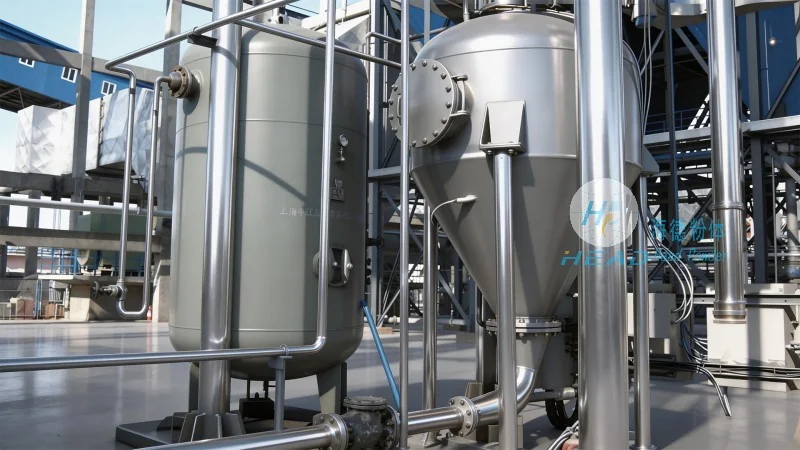
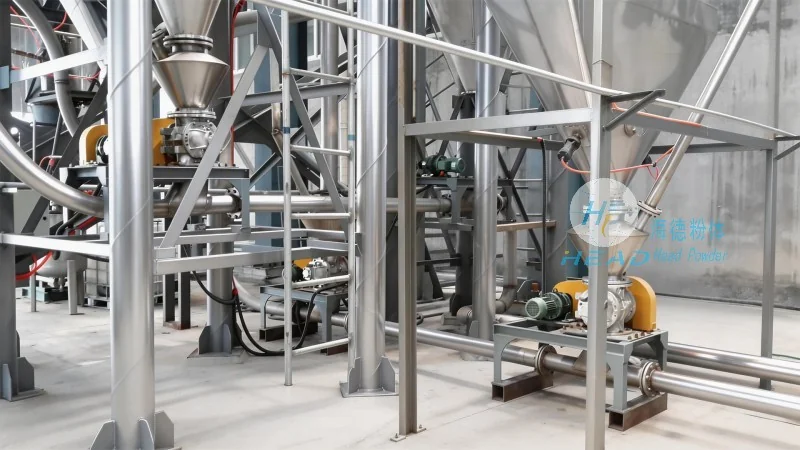
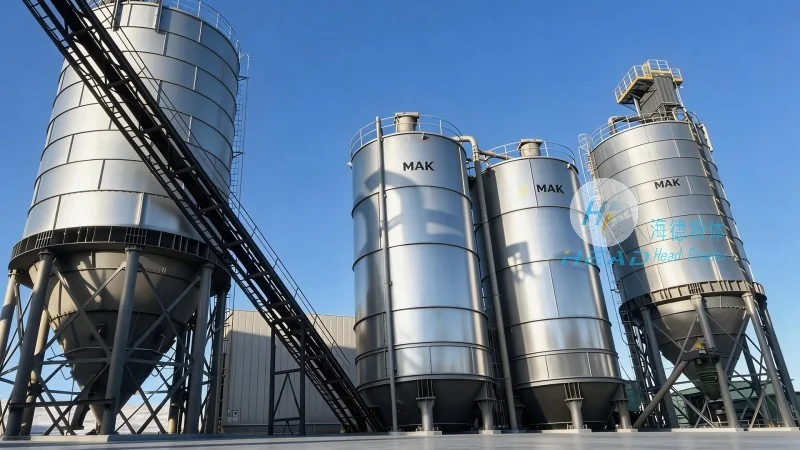
A typical lime powder conveying line consists of several interconnected components that work in harmony to ensure efficient material transport. The primary components include a storage silo or hopper to hold the lime powder, a feeding mechanism such as a rotary valve or screw feeder to control the flow rate, a conveyor system (often a pneumatic or mechanical conveyor) to move the material through the line, and a discharge point or application equipment. Each component is designed to handle the specific characteristics of lime powder, which can be fine, dusty, and prone to caking. For instance, the storage silo may be equipped with aeration systems to prevent material bridging, while the conveyor may use special seals and filters to minimize dust emissions.
The Design Principles Behind Lime Powder Conveying Lines
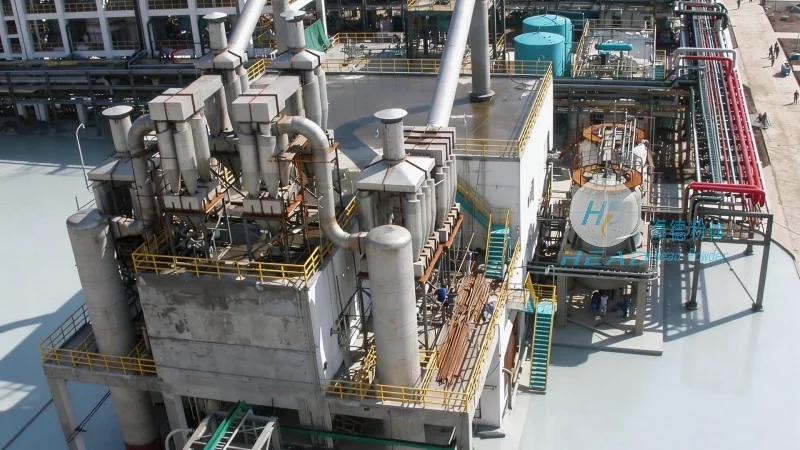
The design of a lime powder conveying line is guided by several key principles aimed at optimizing performance, safety, and efficiency. One of the fundamental principles is the prevention of material degradation and loss during transport. This involves maintaining consistent air pressure in pneumatic systems and ensuring smooth material flow in mechanical systems to avoid blockages or segregation. Another critical principle is dust control, as lime powder is a fine, particulate material that can cause health hazards and operational issues if not properly contained. The design incorporates features such as sealed hoppers, dust collection systems, and enclosed conveyor sections to minimize dust emissions and protect both the environment and personnel.
Material Handling Considerations for Lime Powder
Lime powder, due to its fine particle size and potential for caking, requires special handling considerations in a conveying line. The material’s hygroscopic nature means it can absorb moisture from the air, leading to clumping and reduced flowability. To address this, the conveying line may include drying or dehumidification components, such as heated air or desiccant systems, to maintain the material’s quality. Additionally, the design must account for the material’s abrasive properties, which can wear down conveyor components over time. High-quality materials, such as stainless steel or wear-resistant coatings, are often used for components that come into direct contact with the lime powder to extend the system’s lifespan.
System Integration and Customization
HeadPowder recognizes that each industrial application has unique requirements, and thus, the company offers customized solutions for lime powder conveying lines. The design process involves a thorough analysis of the client’s specific needs, including the volume of material to be handled, the distance of transport, and the desired application point. Based on this analysis, HeadPowder engineers develop a tailored system that integrates all necessary components, from storage to discharge. The company’s expertise in system integration ensures that the conveying line operates seamlessly with existing equipment and processes, minimizing downtime and maximizing productivity. Customization may also include features such as variable speed drives for adjustable flow rates, automated control systems for remote monitoring, and safety interlocks to prevent accidents.
Advantages of Using a Professional Conveying System
Implementing a professional lime powder conveying line from a reputable manufacturer like HeadPowder offers numerous advantages over traditional manual or low-efficiency methods. The primary benefit is improved efficiency and productivity, as automated systems can handle large volumes of material with consistent flow rates, reducing labor costs and increasing throughput. Another advantage is enhanced safety, as the enclosed design and dust control features minimize the risk of dust exposure and material-related accidents. Additionally, the use of high-quality components and engineering expertise leads to longer system lifespans and lower maintenance costs over time. For industries that rely on lime for critical processes, such as water treatment or soil remediation, the reliability of a professional conveying system is essential to ensure consistent quality and compliance with regulatory standards.




