For industrial operations that require the efficient and reliable transport of bulk powders, such as cement, the cement tank truck powder conveying line has emerged as a critical solution. This system is designed to handle the transportation of dry powders from a storage silo to a cement tank truck, ensuring a seamless and controlled process. The technology behind these lines is sophisticated, integrating various components to achieve optimal performance in terms of speed, accuracy, and safety.
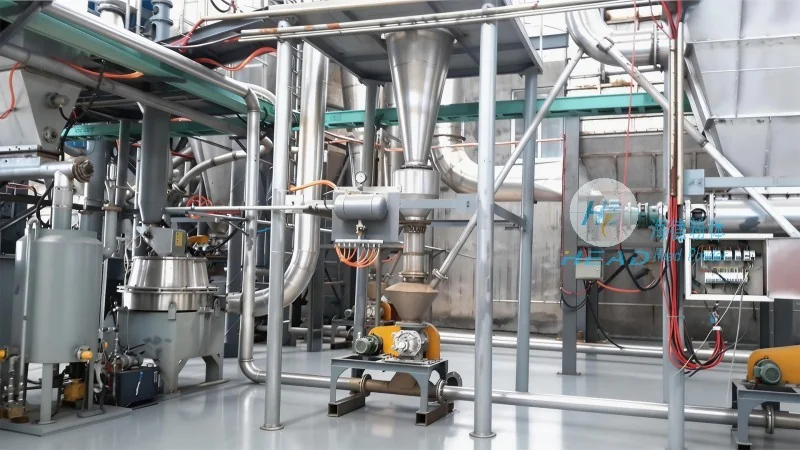
Key Components of the Powder Conveying Line
The cement tank truck powder conveying line typically consists of several essential components that work in tandem to facilitate the transfer of materials. These include a silo or hopper for material storage, a rotary valve or feeder to control the flow of powder, a conveyor system (often pneumatic or mechanical) to move the material, and a tank truck for final transport. Each component plays a vital role in maintaining the integrity of the powder and ensuring the system operates efficiently. The rotary valve, for instance, acts as a gate to regulate the flow rate, preventing overloading or underflow. The conveyor system, whether it's a pneumatic pipeline or a mechanical screw conveyor, is responsible for transporting the powder from the storage area to the truck. The tank truck itself is equipped with a receiving hopper and a discharge valve to accommodate the incoming material.
Design Principles and Operational Mechanics
The design principles of a cement tank truck powder conveying line are centered on ensuring a continuous, controlled, and safe transfer of bulk materials. The primary goal is to minimize material loss, prevent contamination, and maintain consistent flow rates. To achieve this, the system employs several key design considerations. First, the material flow path is designed to be as direct as possible, reducing the number of bends and changes in direction to minimize pressure drops and material degradation. Second, the system incorporates dust collection and filtration systems to maintain air quality and prevent dust accumulation, which is crucial for both safety and environmental compliance. Third, the control system is integrated to allow for real-time monitoring and adjustment of flow rates, pressure, and other parameters, ensuring optimal performance under varying conditions. The operational mechanics involve the initial charging of the silo with cement, followed by the activation of the feeder and conveyor system. The rotary valve opens to allow the powder to enter the conveyor, which then transports it to the tank truck. The process is typically automated, with sensors and controls ensuring that the flow is consistent and that the truck is filled to the appropriate level. Once the truck is loaded, the system can be reset for the next batch, maintaining a continuous operation cycle.
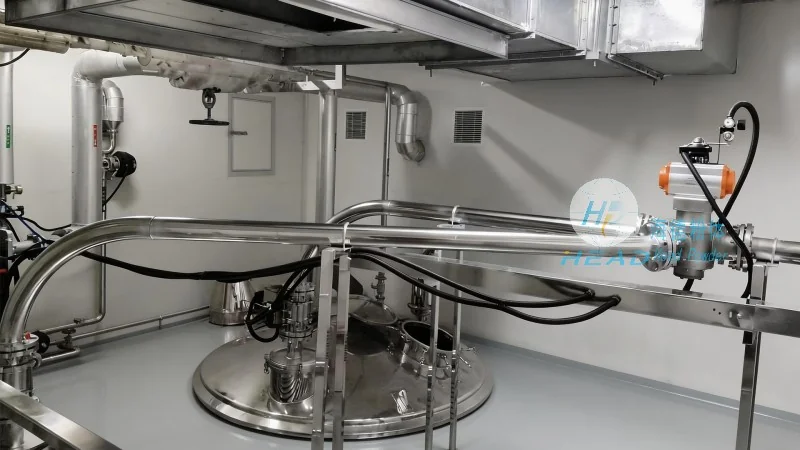
Advantages of Using a Cement Tank Truck Powder Conveying Line
Implementing a cement tank truck powder conveying line offers numerous advantages for industrial operations. One of the most significant benefits is the improvement in efficiency and productivity. By automating the material transfer process, the system reduces the need for manual labor, minimizing human error and increasing the speed of loading operations. This leads to faster turnaround times and increased throughput, which is particularly valuable in high-demand environments. Another advantage is the enhanced safety and environmental protection. The enclosed system prevents dust emissions, reducing the risk of respiratory issues for workers and minimizing the impact on the environment. Additionally, the controlled flow rates and pressure management reduce the risk of material spillage or blockages, which can cause delays and safety hazards. The system also offers better material quality control, as the enclosed environment prevents contamination from external sources and maintains the integrity of the cement. This is critical for applications where the quality of the cement is paramount, such as in construction projects that require high-performance materials.
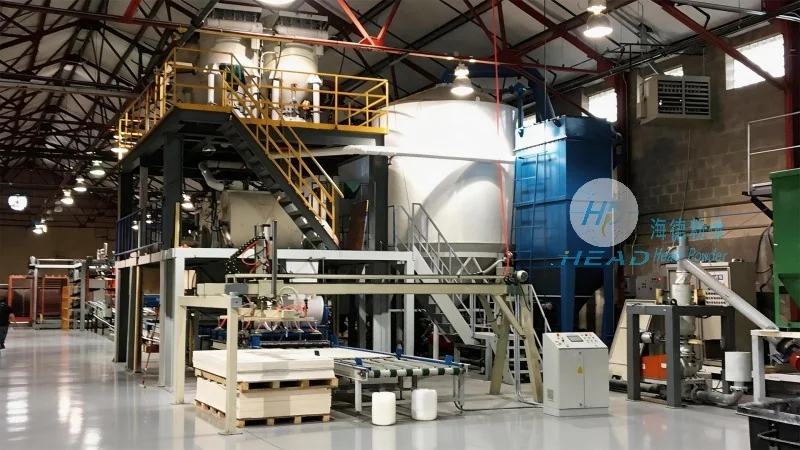
Applications and Industries
The cement tank truck powder conveying line is widely used across various industries that rely on bulk powder transport. The most common application is in the construction industry, where cement is transported from manufacturing facilities to job sites. This system is also utilized in the chemical and pharmaceutical industries for transporting powders like chemicals and raw materials. Additionally, it is used in the mining industry for transporting ore and other minerals. The versatility of the system allows it to be adapted to different powder types and truck sizes, making it a flexible solution for a wide range of industrial needs. For example, in the construction sector, the system can be scaled to handle large volumes of cement for major infrastructure projects, while in smaller operations, it can be adjusted to accommodate smaller truck loads. The adaptability of the design ensures that it can meet the specific requirements of different industries and applications.
Conclusion and Company Overview
In conclusion, the cement tank truck powder conveying line is a sophisticated and essential system for the efficient transport of bulk powders. Its design principles focus on efficiency, safety, and environmental compliance, making it a valuable asset for industrial operations. The system's components work together to ensure a seamless and controlled transfer of materials, reducing downtime and improving overall productivity. As a leading provider in this field, Shandong HeadPowder Engineering Co., Ltd. specializes in designing and manufacturing high-quality powder conveying systems tailored to the specific needs of their clients. With a commitment to innovation and quality, HeadPowder offers solutions that enhance operational efficiency and ensure the safe and reliable transport of bulk materials. Based in Shandong, China, the company leverages its expertise and local resources to deliver cutting-edge technology and reliable service to industries worldwide.




