Efficient and reliable transport of rice grain particles is a critical aspect of modern agricultural and food processing operations. The choice of conveying method significantly impacts operational efficiency, product quality, and overall system cost. This article provides a detailed comparison of common rice grain particle conveying methods, examining their advantages and disadvantages to help stakeholders make informed decisions. The analysis is presented by Shandong HeadPowder Engineering Co., Ltd., a leading provider of engineering solutions for bulk material handling in China.
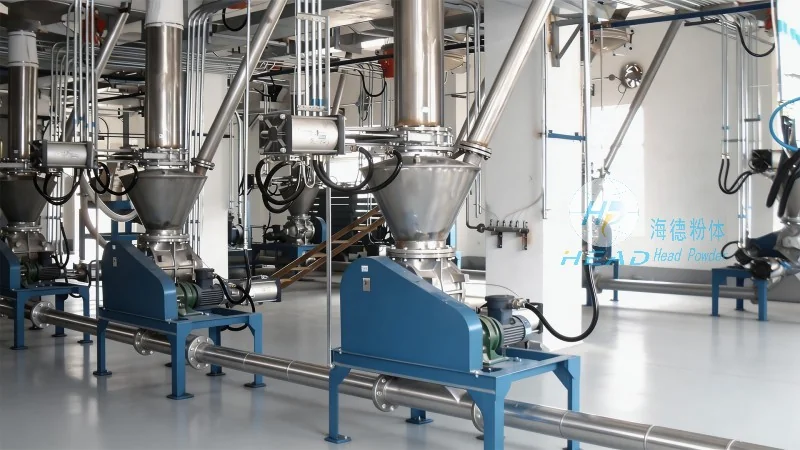
Introduction to Rice Grain Conveying
Rice grain, as a bulk agricultural product, requires specialized equipment for safe and efficient movement from storage to processing or packaging stages. Conveying systems must handle the unique physical properties of rice, such as its size, shape, and susceptibility to breakage. The selection of a conveying method depends on factors like the volume of material, distance to be transported, environmental conditions, and the need for minimal product damage.
Screw Conveyors: A Traditional Solution
Screw conveyors, also known as auger conveyors, are one of the most widely used methods for transporting rice grain particles. These systems consist of a rotating screw (auger) enclosed in a trough, which moves material along a horizontal or slight incline path. The primary advantage of screw conveyors is their simplicity and low maintenance requirements. They are well-suited for short to medium distances and can handle a wide range of particle sizes without the need for additional components. However, their performance is limited by the angle of inclination; steep inclines can lead to material bridging or blockages, reducing efficiency. Additionally, screw conveyors may cause some product attrition, especially for delicate rice grains, as the rotating screw can exert pressure on the material.
Pneumatic Conveying: Air-Driven Efficiency
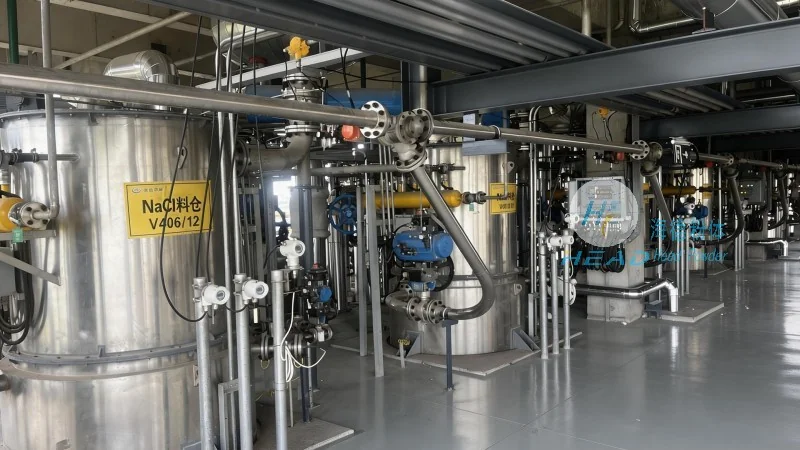
Pneumatic conveying systems use air pressure to transport rice grain particles through a pipeline. This method is particularly effective for long-distance or vertical transport, as it can move material over considerable heights and distances with minimal friction. One of the key advantages of pneumatic conveying is its ability to handle both dry and slightly moist rice grains without causing significant damage. The system also allows for the integration of dust collection and filtration, enhancing environmental control. However, pneumatic conveying has higher energy consumption compared to mechanical systems, as it requires continuous air flow. Furthermore, the initial investment and maintenance costs for the air compressor and pipeline system are relatively high. Another consideration is the potential for product segregation or degradation if the conveying velocity is too high, leading to increased wear on the system components.
Belt Conveyors: Versatile and Durable
Belt conveyors utilize a continuous belt to transport rice grain particles, offering a versatile solution for various applications. These systems are particularly effective for transporting larger quantities of material over long horizontal distances. The primary advantage of belt conveyors is their high capacity and ability to handle heavy loads without significant wear. They are also relatively low-maintenance once installed, with the main components being the belt and drive system. Belt conveyors can be easily integrated with other processing equipment, such as sorting or cleaning units. However, their effectiveness is limited by the need for a level or slightly inclined surface, as steep inclines can cause the belt to slip or the material to fall off. Additionally, belt conveyors may require more space compared to other methods, and the risk of product contamination from the belt material or lubricants exists if not properly sealed.
Comparison and Selection Considerations
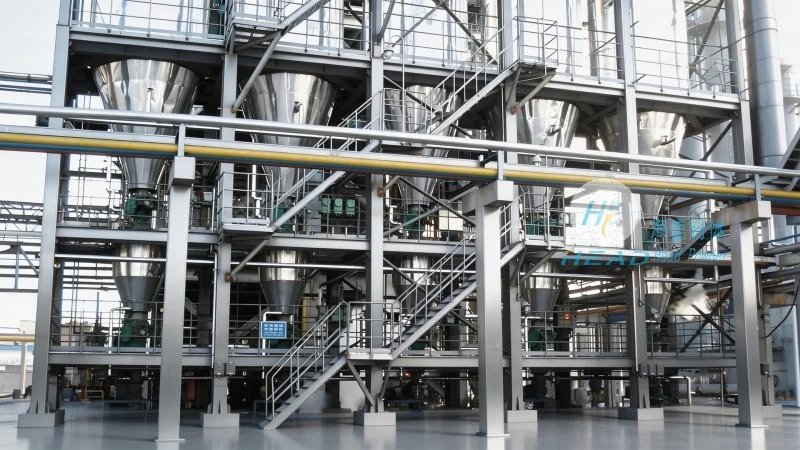
When selecting a rice grain particle conveying method, several factors must be evaluated to ensure optimal performance and cost-effectiveness. The distance and elevation change are critical: screw conveyors are best for short horizontal or slight incline transport, while pneumatic conveying excels at long distances or vertical lifts. Material characteristics, such as size, moisture content, and susceptibility to breakage, also influence the choice. For example, delicate rice grains may benefit from the gentler action of a screw conveyor or a pneumatic system with controlled air velocity. Cost considerations include initial investment, energy consumption, and maintenance requirements. Screw conveyors typically have lower upfront costs and energy use, making them suitable for smaller operations or short-distance transport. In contrast, pneumatic systems offer higher efficiency for long-distance transport but come with higher operational costs. The operational environment, such as the need for dust control or space constraints, should also be considered. For operations in enclosed spaces or with strict environmental regulations, pneumatic conveying may be preferred due to its enclosed pipeline system.
Conclusion
Each rice grain particle conveying method has distinct advantages and limitations, making the selection process dependent on specific operational needs. By carefully evaluating factors such as distance, material properties, cost, and environmental requirements, stakeholders can choose the most suitable conveying system. The choice of conveying method directly impacts the efficiency, product quality, and overall sustainability of rice processing operations. As technology advances, new conveying solutions may emerge, but traditional methods like screw, pneumatic, and belt conveyors remain fundamental to the industry. For businesses seeking reliable and efficient rice grain transport solutions, understanding these methods and their trade-offs is essential for optimal system design and performance.




