For industrial applications involving limestone powder, selecting the right conveying method is crucial for efficiency, cost-effectiveness, and operational safety. Shandong HeadPowder Engineering Co., Ltd., a leading provider in the field, specializes in solutions tailored to diverse material handling needs. This article provides a detailed comparison of common limestone powder particle conveying methods, highlighting their advantages and disadvantages to assist in informed decision-making.
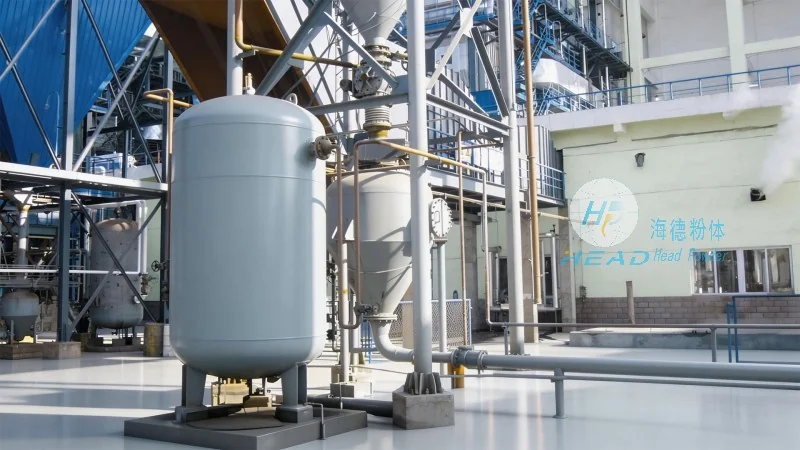
Introduction to Limestone Powder Conveying Systems
Limestone powder, a widely used raw material in industries such as cement, construction, and chemical processing, requires reliable and efficient transport from storage to processing units. The choice of conveying method significantly impacts production throughput, energy consumption, and equipment maintenance. Shandong HeadPowder Engineering Co., Ltd. offers expert guidance in selecting and implementing optimal conveying solutions, ensuring seamless material flow in industrial operations.
1. Pneumatic Conveying Systems: Advantages and Disadvantages
Pneumatic conveying, also known as air-pneumatic transport, uses compressed air to move limestone powder particles through a pipeline. This method is particularly effective for handling fine powders and can be categorized into pressure and vacuum systems. The primary advantage of pneumatic conveying is its ability to transport materials over long distances without the need for multiple transfer points, which enhances operational flexibility. Additionally, it offers a relatively compact design, reducing floor space requirements in industrial facilities. However, this method has notable drawbacks, including higher energy consumption due to the continuous operation of air compressors and potential material degradation from abrasive wear on pipelines. Moreover, the system is sensitive to variations in powder moisture content, which can affect flow characteristics and increase maintenance costs.
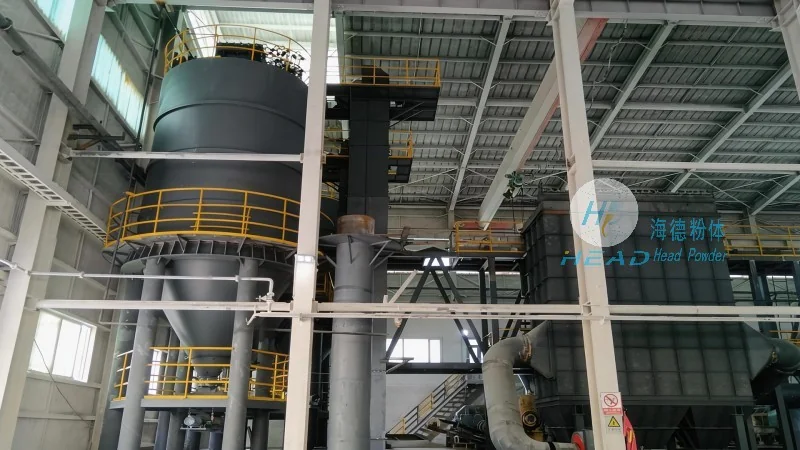
2. Screw Conveyors: Advantages and Disadvantages
Screw conveyors, or auger conveyors, utilize a rotating helical screw to move limestone powder particles along a trough. This method is suitable for moderate to high-volume applications and is commonly used in horizontal or slight incline transport. A key advantage of screw conveyors is their simplicity and low maintenance requirements, as they have fewer moving parts compared to other systems. They also provide a closed environment, preventing dust emissions and protecting the material from contamination. However, screw conveyors have limitations in terms of distance and inclination; they are generally limited to short to medium distances and cannot handle steep inclines without significant power consumption. Furthermore, the design is not ideal for handling highly abrasive or sticky powders, as this can lead to increased wear on the screw and trough, requiring more frequent replacement of components.
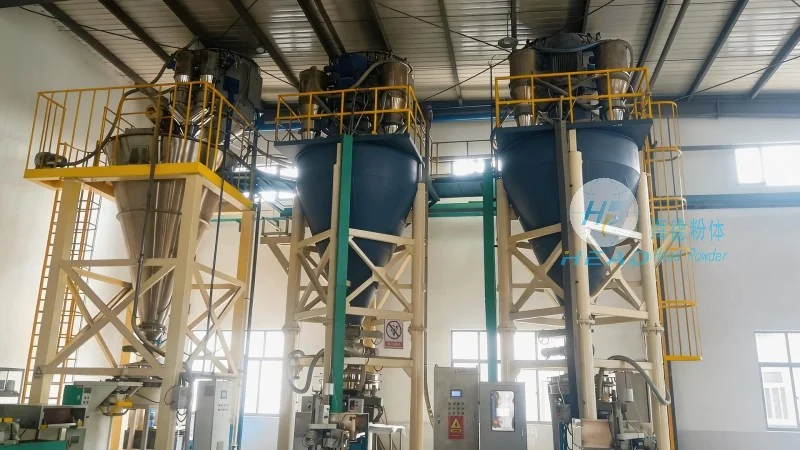
3. Belt Conveyors: Advantages and Disadvantages
Belt conveyors use a continuous belt to transport limestone powder particles, often in combination with idlers and pulleys. This method is widely adopted in bulk material handling due to its high capacity and ability to cover long distances. The primary advantage of belt conveyors is their high efficiency in moving large volumes of material with minimal labor, making them cost-effective for continuous operations. They also offer flexibility in layout, allowing for horizontal, inclined, or even vertical transport with appropriate modifications. However, belt conveyors have significant drawbacks, including higher initial investment costs compared to other systems and the need for regular maintenance to prevent belt wear and slippage. Additionally, they are susceptible to material buildup and spillage, which can lead to safety hazards and environmental concerns if not properly managed. The system also requires more space for installation and may not be suitable for fine powders that tend to create dust and affect belt performance.
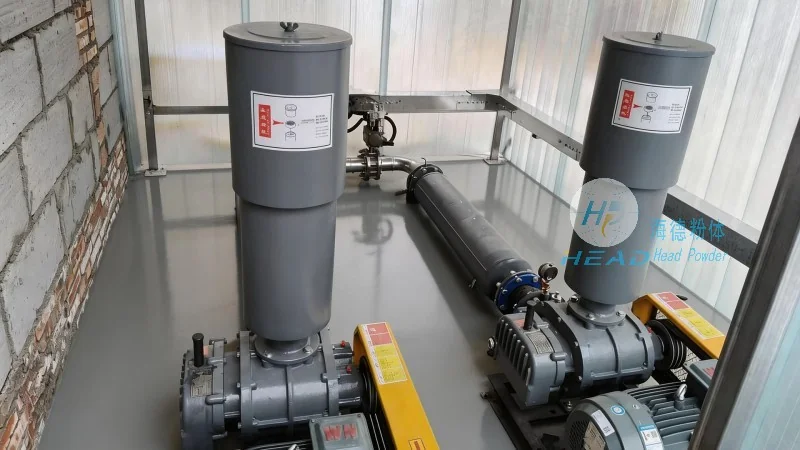
4. Hydraulic Conveying: Advantages and Disadvantages
Hydraulic conveying employs water or other liquids to transport limestone powder particles through a pipeline. This method is particularly effective for handling very fine or abrasive powders that are difficult to move by other means. The main advantage of hydraulic conveying is its ability to handle high concentrations of solids, reducing the need for additional drying or separation processes. It also provides a smooth and continuous flow, minimizing material degradation and ensuring consistent product quality. However, this method has significant disadvantages, including higher operating costs due to the need for water treatment and disposal systems. The system is also prone to clogging and corrosion, requiring specialized materials and regular maintenance to prevent blockages and equipment damage. Furthermore, the environmental impact of water usage and potential contamination must be carefully managed to comply with regulations.
Conclusion: Selecting the Right Conveying Method
Choosing the appropriate limestone powder conveying method depends on several factors, including material characteristics, distance, capacity, and operational environment. Shandong HeadPowder Engineering Co., Ltd. offers comprehensive solutions tailored to these requirements, ensuring optimal performance and cost-effectiveness. By evaluating the advantages and disadvantages of each method, industrial operators can make informed decisions that enhance productivity, reduce maintenance costs, and improve overall operational efficiency. Whether pneumatic, screw, belt, or hydraulic systems, the right choice will directly impact the success of limestone powder handling in various industrial applications.




