Food material handling equipment plays a crucial role in the food processing industry, ensuring efficient and safe transportation of various food products from one stage of production to another. These systems are essential for maintaining hygiene standards, optimizing workflow, and enhancing overall operational efficiency in food manufacturing facilities. Understanding the types of equipment available and their underlying design principles is vital for businesses seeking to improve their production processes and meet industry regulations.
About HeadPowder Engineering Co., Ltd.
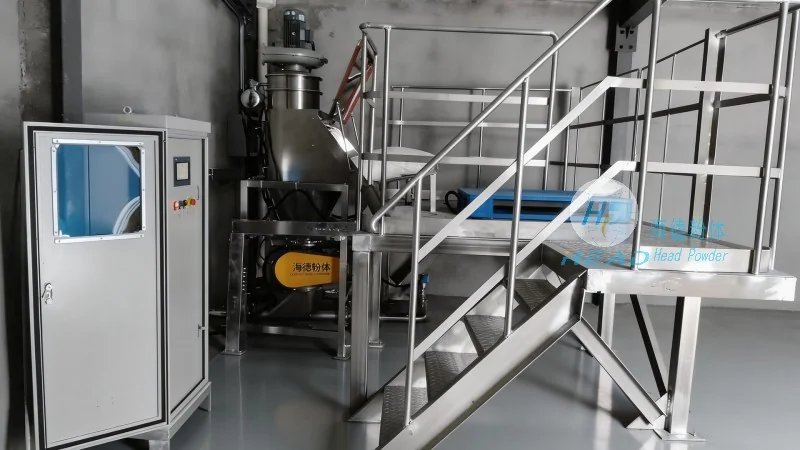
HeadPowder Engineering Co., Ltd., a leading manufacturer based in Shandong, China, specializes in the design, development, and manufacturing of high-quality food material handling equipment. With a strong commitment to innovation and adherence to industry standards, HeadPowder provides reliable solutions tailored to the unique needs of the food processing sector. The company’s products are engineered to ensure durability, hygiene, and compliance with food safety regulations, making them suitable for a wide range of applications in the food industry.
Types of Food Material Handling Equipment
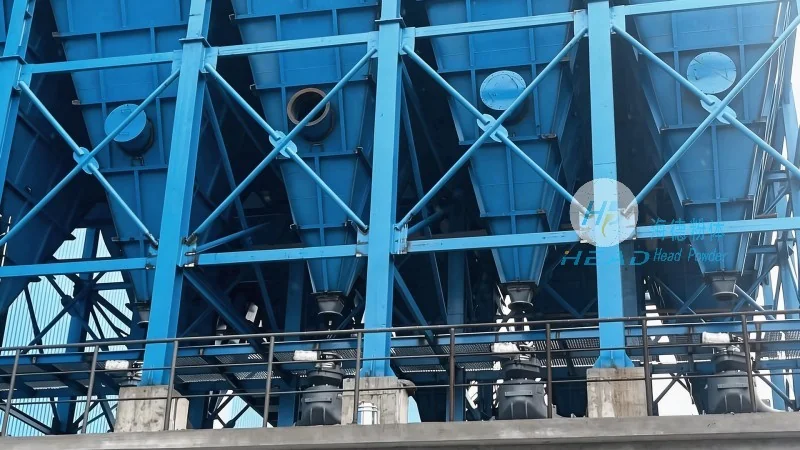
Food material handling equipment encompasses a variety of systems designed to move, store, and process food products. Common types include conveyor belts, elevators, sorters, and storage bins. Conveyor belts, for instance, are widely used for transporting bulk foods such as grains, fruits, and vegetables, while elevators are employed to lift materials vertically, facilitating vertical movement in processing lines. Sorters, on the other hand, are used to separate products based on size, weight, or other characteristics, ensuring only qualified items proceed to the next stage. Each type of equipment is designed with specific features to address the unique challenges of food handling, such as preventing contamination and maintaining product integrity.
Design Principles of Food Material Handling Equipment
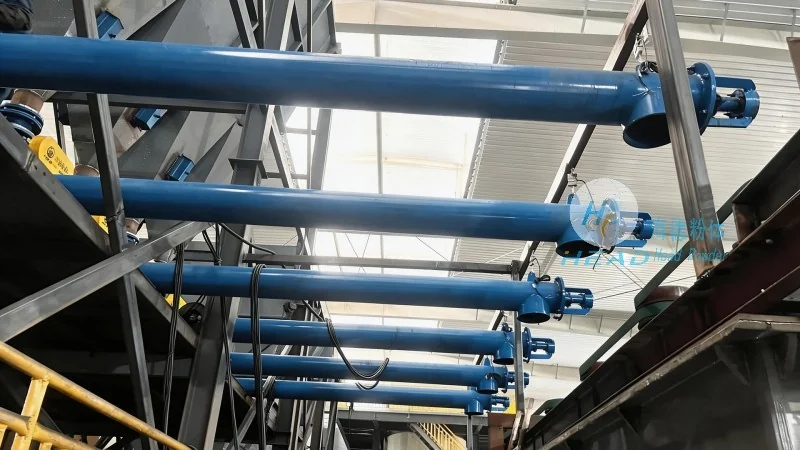
The design of food material handling equipment follows several key principles to ensure functionality, safety, and efficiency. First, hygienic design is paramount, as equipment must be easy to clean and maintain to prevent cross-contamination. Materials used in construction, such as stainless steel, are chosen for their resistance to corrosion and ease of sanitization. Second, durability is a critical factor, as equipment must withstand the rigors of continuous operation in food processing environments. This includes resistance to wear and tear, as well as the ability to handle various food types without degradation. Third, efficiency is achieved through optimized flow and minimal energy consumption. Designers focus on reducing friction and improving material movement to minimize energy usage while maximizing throughput. Additionally, safety features, such as emergency stop buttons and protective guards, are integrated into the design to protect operators and prevent accidents. These principles collectively ensure that food material handling equipment not only performs its intended function but also adheres to the highest standards of food safety and operational excellence.
Applications in the Food Industry
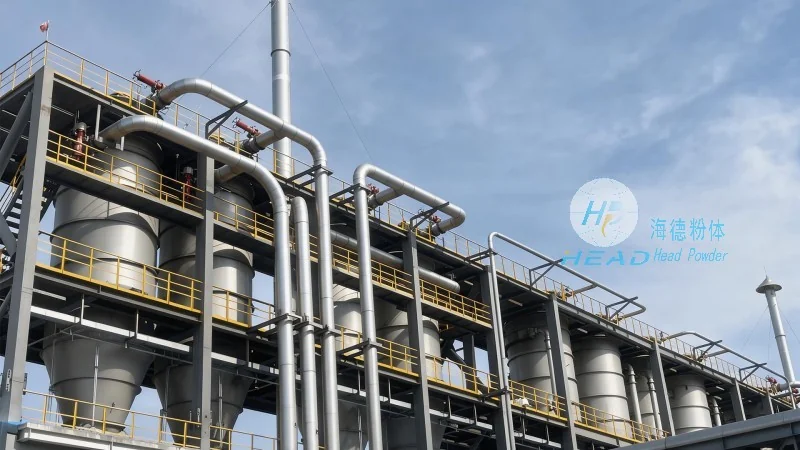
Food material handling equipment is utilized across various stages of food production, from raw material reception to finished product packaging. In the raw material reception stage, equipment like bulk loaders and conveyors are used to transport raw ingredients into the facility. During processing, equipment such as mixers, blenders, and sorters are employed to transform raw materials into intermediate products. In the packaging stage, conveyor systems and sorters ensure that finished products are efficiently moved to packaging lines and stored in appropriate containers. The versatility of these systems allows them to handle a wide range of food products, including dry goods, liquids, and semi-solid items. By integrating these equipment into production lines, food manufacturers can streamline their operations, reduce labor costs, and improve product quality. The consistent performance of these systems also contributes to better inventory management and reduced waste, making them indispensable in modern food processing.
Conclusion
Food material handling equipment is a vital component of the food processing industry, enabling efficient and safe movement of food products throughout the production cycle. The design principles behind these systems, including hygienic construction, durability, and efficiency, ensure that they meet the stringent requirements of the food industry. Companies like HeadPowder Engineering Co., Ltd. play a crucial role in providing high-quality equipment that adheres to these principles, helping food manufacturers enhance their operations and meet regulatory standards. As the food industry continues to evolve, the importance of reliable and well-designed material handling equipment will only grow, making it a key investment for businesses seeking to maintain competitiveness and ensure product safety.




